

The Evolving Discourse on Masculinity: A Look at Recent Viral Moments
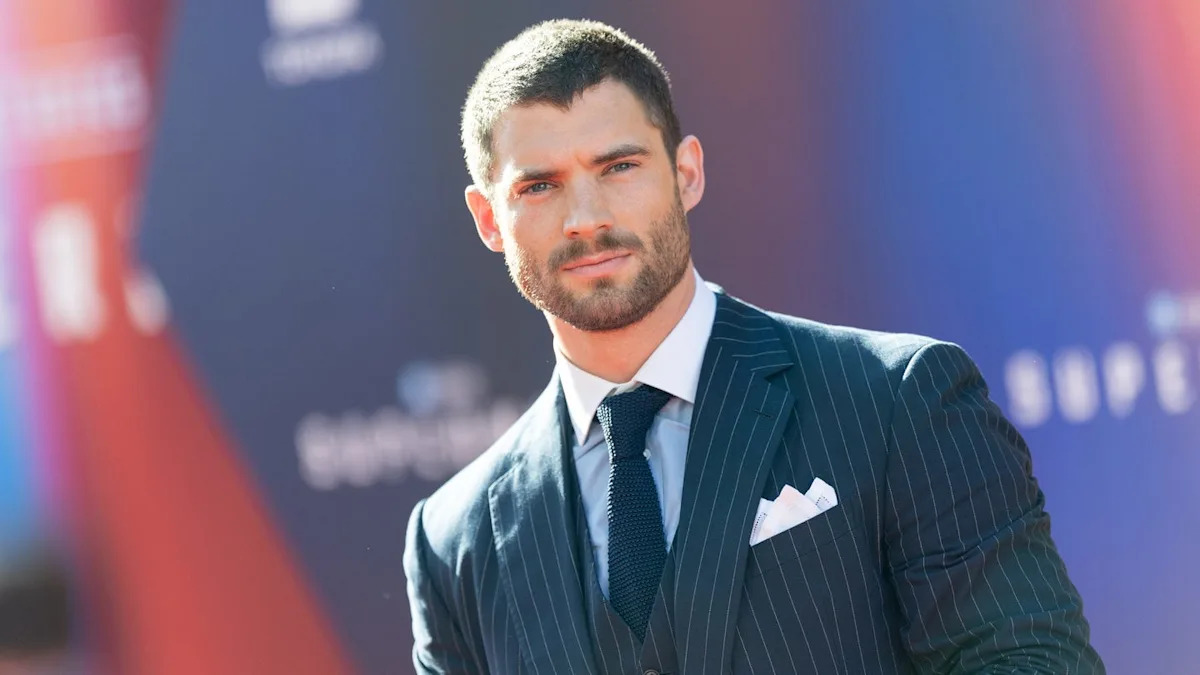
Masculinity has become a hot topic of discussion, particularly in the age of social media. Recent conversations have sparked debates about whether traditional masculinity is inherently toxic and if it can, or should, be preserved. An incident involving actors David Corenswet and Jonathan Bailey during a recent interview for Variety’s “Actors on Actors” series brought new facets of this conversation to light.
The Viral Moment: A Scene Worth Discussing
During their engaging interaction, David commended Jonathan’s performance as Fiyero in Wicked: For Good, specifically a memorable scene where he is levitated by his female counterpart, Elphaba, played by Cynthia Erivo. David excitedly remarked on Jonathan’s ability to “maintain [his] masculinity” while suspended magically in the air. This statement immediately piqued interest and ignited controversy online, leading many to question the underlying implications of such a remark.
Unpacking Masculinity: What Does It Mean?
David’s comments introduced a complex discourse about what masculinity means today. Can a man truly retain his masculine identity in traditionally vulnerable situations, such as being levitated by a woman? The association of physical elevation with diminished masculinity points to deep-seated societal beliefs about power dynamics. This leads us to reflect: is masculinity merely a performance, reliant on specific power dynamics that can easily be disrupted?
Criticism and Counter-Criticism
David’s comments didn’t go unnoticed. Critics quickly pointed out the potentially sexist undertones, suggesting that his assertion implied a man being lifted by a woman is somehow lesser. The discourse escalated with Jonathan’s humorous retort, where he jokingly declared he wouldn’t mind being carried by both Cynthia and Ari for life, implying a sense of joy and acceptance of vulnerability rather than defensiveness about masculinity.
While some viewed David’s remarks as reinforcing a double standard, others considered them to be an acknowledgment of problematic societal perceptions. The discussion reveals how carefully we must tread when discussing these sticky subjects, as the way we phrase our thoughts can either challenge or unwittingly perpetuate harmful narratives.
The Complexity of Masculinity Conversations
At the heart of the debate is a critical question: is it beneficial to “maintain” a construct widely acknowledged as patriarchal? If progressive thought positions traditional masculinity as harmful, then advocating for its preservation could be counterproductive. The challenge lies in distinguishing between celebrating masculinity and perpetuating stereotypes that may stigmatize emotional expression and vulnerability.
The Threat of Powerful Women
Furthermore, the idea that powerful women pose a threat to masculinity raises significant concerns. In claiming that a woman’s strength jeopardizes a man’s masculine identity, we risk reinforcing harmful stereotypes—not only about women but also about men who are perceived as weaker in comparison. Such narratives contribute to a culture in which women’s success and strength are viewed as intimidating rather than inspiring.
The Emergence of Humor and Memes
Amidst the serious conversations, the internet responded in typical fashion—through humor. Memes about “maintaining masculinity” quickly circulated, providing comic relief in what is otherwise a heavy dialogue. While humor can sometimes serve to trivialize complex issues, it also fosters a communal space where challenging traditional norms can happen in a less confrontational manner. However, the fleeting nature of online humor begs the question: does it genuinely facilitate change, or does it simply serve as temporary distraction?
Conclusion
The discussion surrounding masculinity, particularly in light of the dialogue prompted by David Corenswet and Jonathan Bailey, illustrates the intricate layers of societal expectations. We find ourselves in an era where exploring these norms is both necessary and fraught with potential pitfalls. Addressing masculine identity, especially in relation to powerful women, calls for introspection and a reevaluation of entrenched beliefs.
As this conversation continues to evolve, it serves as a reminder of the importance of both the content and the context in which we express our thoughts on gender and power dynamics. The dialogue surrounding masculinity is multifaceted, and navigating it with sensitivity and awareness is essential as we collectively strive toward an understanding that honors both men and women in all their complexities.


