Advancing Cancer Care Through Artificial Intelligence
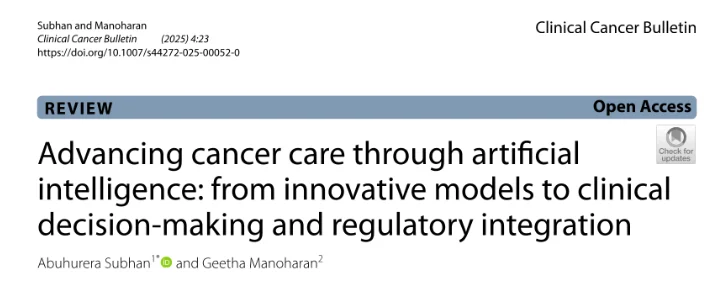
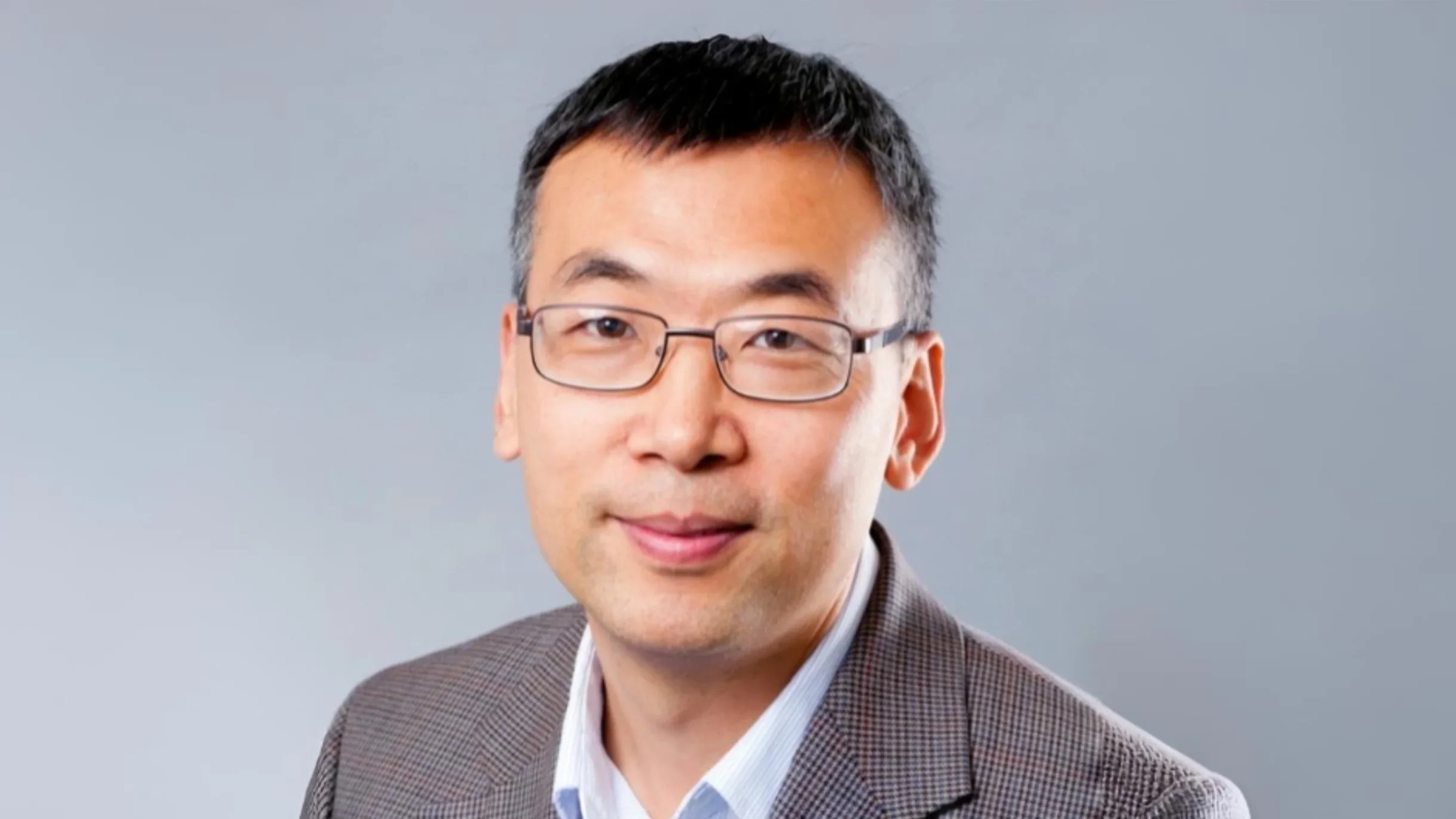
In a groundbreaking post shared on LinkedIn, Zhaohui Su, the Vice President of Biostatistics at Ontada, highlighted the transformative role of artificial intelligence (AI) and machine learning (ML) in advancing oncology. His insights delve into an article authored by Abuhurera Subhan and Geetha Manoharan, which discusses the remarkable impact of these technologies on cancer drug development and patient care.
The Role of AI and ML in Oncology
AI and ML are reshaping the landscape of oncology drug development. These innovative technologies facilitate various stages of the drug development process, from early discovery and screening to clinical decision-making and regulatory oversight. By leveraging advanced algorithms, AI platforms can accelerate innovation, reduce costs, and significantly improve patient outcomes.
At the heart of these advancements is the ability to identify drug targets and optimize molecular design. As the field progresses, technologies like deep learning networks and large language models are gaining recognition for their robust performance, enabling researchers and clinicians to make informed decisions throughout the drug development pipeline.
Clinical Decision Support Systems
A crucial aspect of AI integration in oncology is the development of Clinical Decision Support Systems (CDSS). These systems, powered by AI, are increasingly being embedded within electronic health record systems. They provide healthcare providers with recommendations tailored to clinical guidelines, insights from molecular tumor boards, and extensive real-world data (RWD).
The use of RWD is particularly noteworthy, as it offers a rich source of evidence essential for clinical decision-making. By utilizing data collected outside the confines of clinical trials, healthcare professionals can tailor treatments to individual patients, leading to more personalized and effective cancer care.
The Importance of Real-World Evidence
The article emphasizes the critical role of real-world evidence (RWE) in AI-enhanced oncology. RWE not only supports clinical decisions but also plays a pivotal role in regulatory science. Regulatory agencies such as the U.S. Food and Drug Administration (FDA) and the European Medicines Agency (EMA) recognize the importance of integrating RWE into their frameworks. This integration facilitates a more comprehensive understanding of treatment efficacy and safety in diverse patient populations.
Regulatory Agency Perspectives
In their proactive engagement with AI and ML applications, both the FDA and EMA underscore the need for transparency in the use of these technologies. They call for meticulous validation processes and a risk-based oversight approach, ensuring that the integration of AI into cancer care adheres to the highest standards of safety and effectiveness.
These agencies are keenly aware that with the promise of AI comes the responsibility to monitor its implementation closely. This rigorous oversight is essential to mitigate potential risks and biases that could arise from the use of automated systems in clinical settings.
Challenges in AI Integration
Despite its promising advantages, the incorporation of AI in oncology does not come without challenges. Data quality remains a significant concern, as inaccurate or unrepresentative data can compromise the reliability of AI-driven decisions. Additionally, issues such as bias in algorithmic outputs and the interpretability of AI models pose hurdles that must be addressed. Clinicians need to understand how AI arrives at its recommendations to foster trust and ensure patient safety.
Regulatory complexity also presents a challenge, as the rapid pace of AI advancements can outstrip the current regulatory frameworks. Navigating these complexities is vital for developing effective guidelines that govern the use of AI in clinical practice.
Looking Forward
The article by Subhan and Manoharan serves as a comprehensive overview of how AI is revolutionizing cancer care, from innovative models to clinical decision-making and regulatory integration. It paints an optimistic picture of the future of oncology, emphasizing the role of technology in improving patient outcomes while simultaneously calling attention to the challenges that need to be addressed.
For those interested in a deeper dive into this topic, the full article, titled “Advancing cancer care through artificial intelligence: from innovative models to clinical decision-making and regulatory integration,” can be found here. The insights shared by Zhaohui Su and the article’s authors are invaluable for anyone keen on understanding the intersection of AI and oncology.