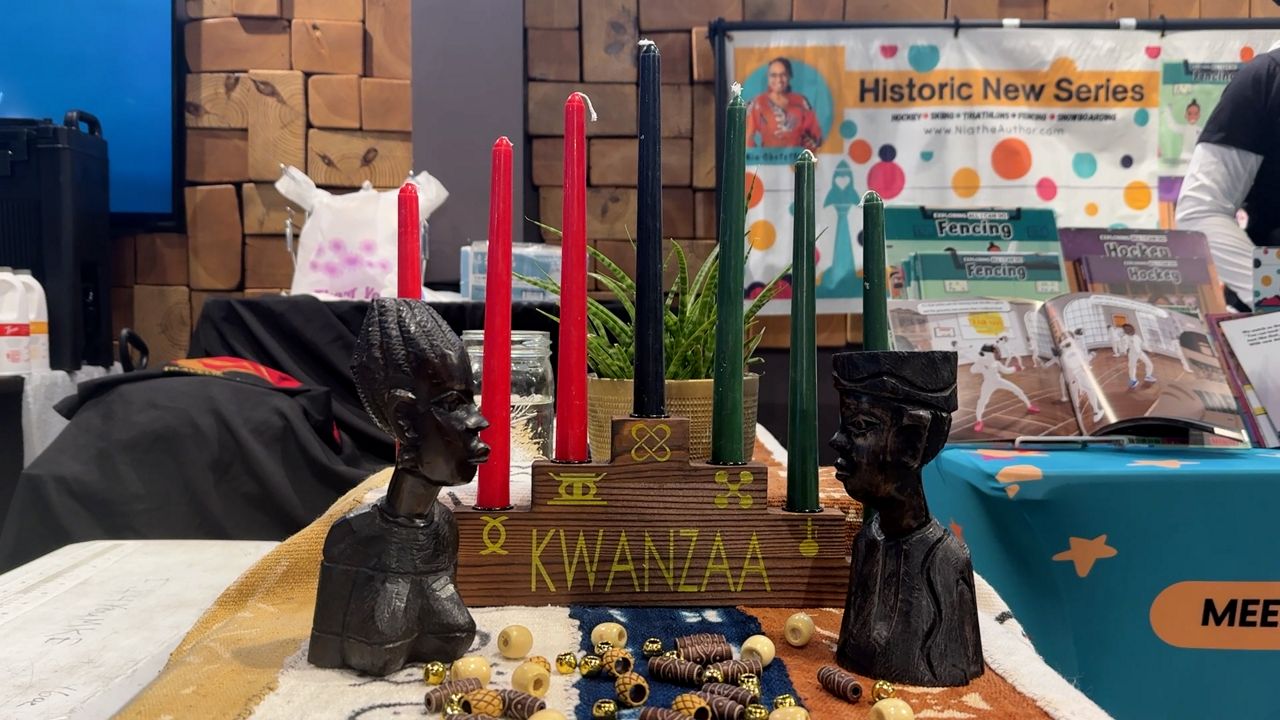
Celebrating Kwanzaa: A Festive Gathering at Kwanzaafest in Milwaukee
MILWAUKEE — The vibrant celebration of Kwanzaa recently came alive at America’s Black Holocaust Museum, where Kwanzaafest marked its third annual gathering. Taking place on the third day of the holiday, which emphasizes “Ujima” or collective work and responsibility, the event was a heartfelt tribute to African American culture, fostering community and unity.
A Celebration Rooted in Culture
Kwanzaa, which spans from December 26 to January 1, serves as a weeklong festival focusing on African American heritage. This year’s Kwanzaafest attracted individuals and families eager to celebrate and learn about Black culture. Monique Liston, who led one of the key rituals during the fest, emphasized the significance of Kwanzaa in bringing the Black community together.
The Libation Ritual: Honoring the Past
Central to the festivities was the libation ceremony, where water was poured out in remembrance of ancestors and as an expression of hope for the future. This ritual, imbued with deep meaning, represents a moment of reflection and gratitude. Liston articulated her emotional connection to these rituals, noting that they encapsulate celebration, honoring the past, and providing space for learning about Black history.
Ujima: Collective Work and Responsibility
As the gathering fell on the “Ujima” day of Kwanzaa, conversations naturally centered around the importance of community and mutual aid. Liston posed thought-provoking questions to attendees, urging them to consider their connection with their neighbors. “Do you know your neighbor? Have you had the chance to really connect? Are you able to ask for help?” Her words resonated as calls for deeper community ties.
Celebrating Black Entrepreneurship
Kwanzaafest also featured an array of Black-owned businesses, showcasing the contributions of local entrepreneurs. Among them was author Nia Obotette, whose work emphasizes Black representation in various aspects of life. As an author, she embodies the fifth principle of Kwanzaa, “Nia,” which means purpose.
The Purpose of Representation
Born on the fifth day of Kwanzaa, Obotette expressed her calling through her books, which aim to share different narratives and experiences with readers. “It’s a way for me to share the opportunity to see different things,” she explained. Her passion for storytelling reflects a broader desire to inspire others and encourage exploration.
A Growing Tradition
Liston remarked on the vibrant growth of Kwanzaa celebrations within the community. With more families participating and children being introduced to these traditions, the festival is not just an event but a revival of cultural connection. “We’re seeing many of us who participated as young people now bringing in our children, nieces, and nephews,” she noted, emphasizing the legacy being created through these celebrations.
A Call for Community Engagement
The message of Kwanzaafest extends beyond the festivities; it serves as a reminder of the power of community engagement. Through celebration, remembrance, and education, individuals are encouraged to forge deeper connections, reflecting the holiday’s essence. The ongoing commitment to uplifting one another during Kwanzaa and beyond is vital for fostering unity and resilience in the community.
As Milwaukee continues to celebrate and honor Kwanzaa, the importance of collective responsibility and cultural pride shines through, reinforcing the need for ongoing dialogue, support, and engagement within the community.