An American non-profit is illuminating the legacy and vibrant presence of African-Americans and the African diaspora in France
In the heart of Paris, a unique cultural initiative is transforming the way people perceive the rich legacy of African-Americans and the African diaspora in France. At the helm of this movement are Robin Bates and Constance Bryan, two San Franciscans whose shared passion for French culture connected them decades ago. The seed of their collaboration was planted in 1989 when they met while studying abroad in Paris.
Robin, drawn to the enchanting landscapes of France since childhood, found inspiration in the stories of the iconic Josephine Baker and the Harlem Renaissance. Constance’s kinship with the country stemmed from her great-uncle’s experiences during World War I. Together, they discovered the profound bond between African-Americans and the French culture, which inspired Robin to launch Café de la Soul in 1998. This was the first website dedicated to celebrating Black Paris, an effort to shed light on a less-known yet impactful aspect of their combined heritage.
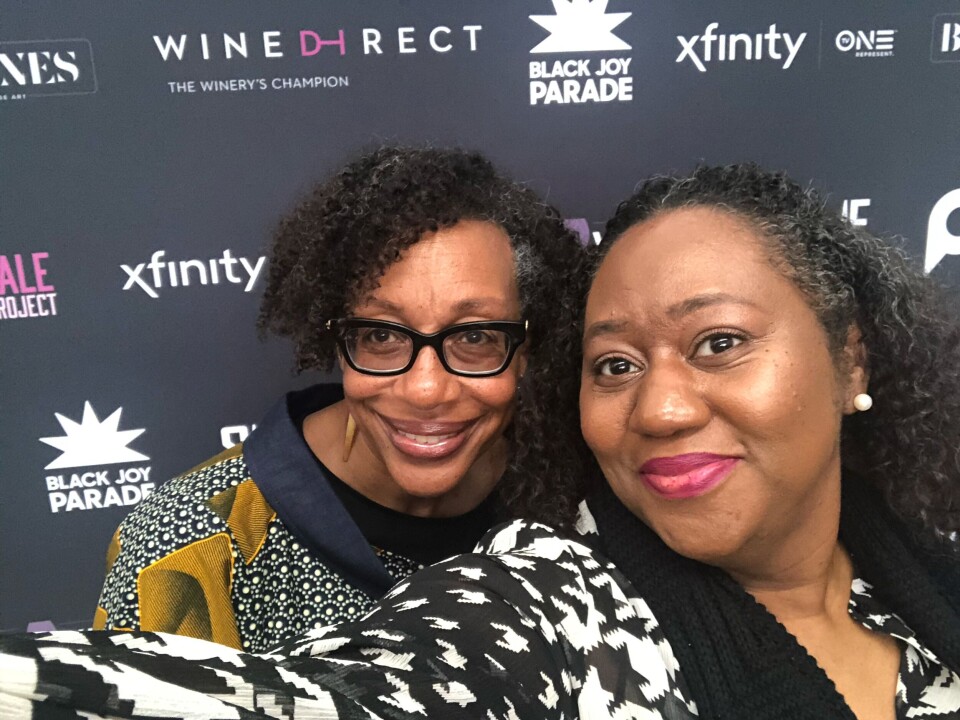
Fast forward to 2013, and voilà, the duo founded Maison Noire Américaine. This non-profit organization aims to celebrate the historical and contemporary influence of African-Americans and the African diaspora in France, delving into diverse fields such as history, food, fashion, literature, music, and art.
At the center of this initiative are a series of events designed to engage the community and promote understanding. From film screenings and social mixers to panel discussions and guided cultural tours, Maison Noire Américaine offers a plethora of experiences. A highlight is the “Soul Food Atelier,” led by Cordon Bleu-trained chef Jennifer Hill Booker, who masterfully marries southern flavors with French delicacy, complemented by champagne from Marie Césaire, the first Black woman-owned champagne brand in France.
Josephine Baker Celebration
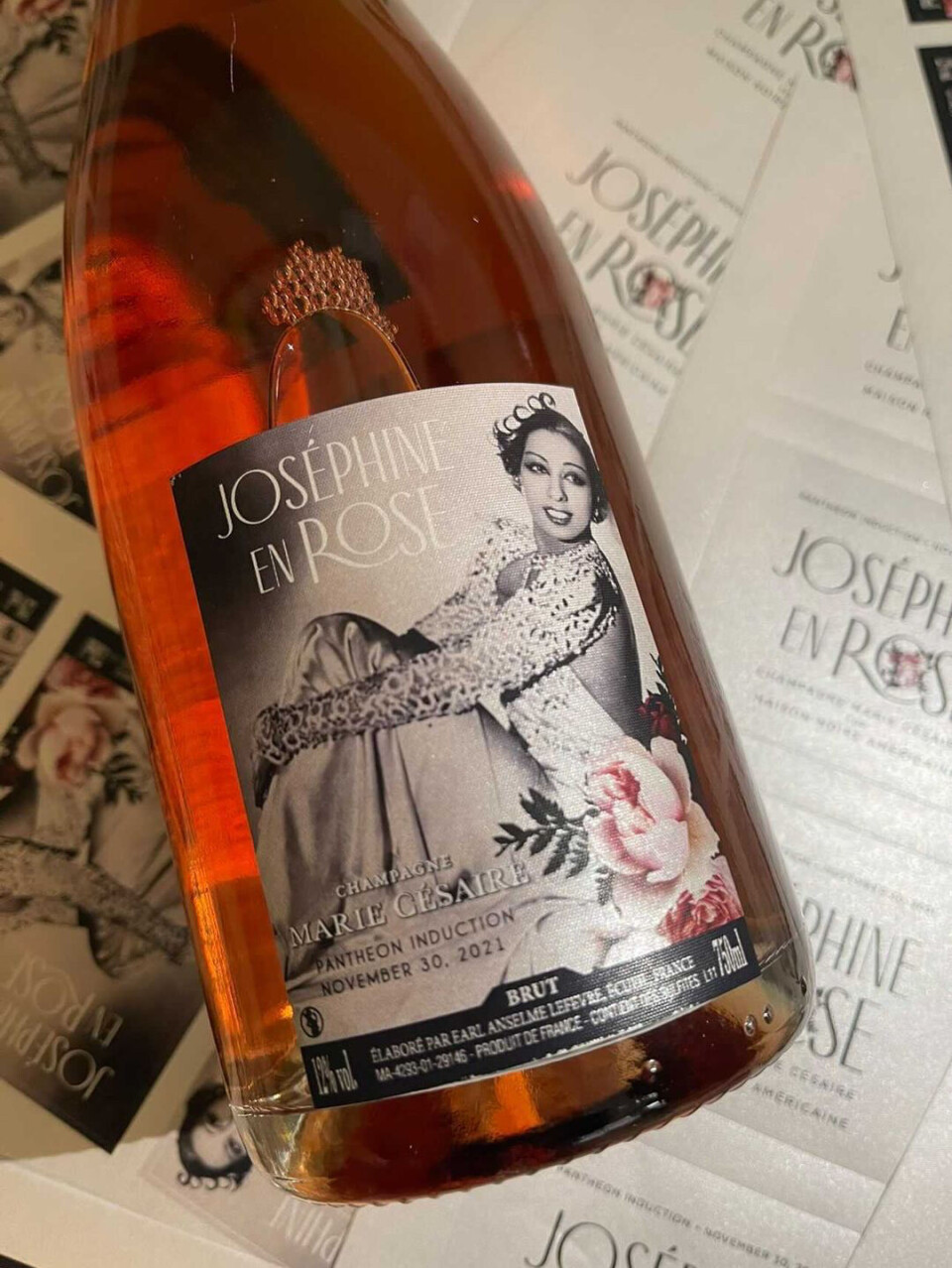
The organization also played a crucial role in commemorating Josephine Baker’s historic 2021 induction into the Panthéon, a solemn recognition as she became the first Black woman and only sixth woman ever to be enshrined there. Maison Noire Américaine hosted an independent celebration attended by Baker’s children, featuring singers and a Josephine-inspired menu that included a champagne named in her honor.
“It was incredibly emotional and joyful to celebrate a woman who did so much for both France and the African-American community,” Robin reflects. Baker’s legacy continues to resonate, but the nonprofit also shines a light on lesser-known figures whose stories have contributed to the rich tapestry of cultural exchange between the U.S. and France.
“The very first African-American bishop, James Augustine Healy, was ordained at Notre-Dame in 1854 because he couldn’t be ordained in the U.S.,” recalls Robin. Constance adds, “Bessie Coleman, one of the first Black women aviators, learned to fly in France. James Hemings, who trained as a chef in 18th-Century France, is credited with popularizing macaroni and cheese in America.” Such anecdotes remind us of the profound impact that France has had on numerous African-Americans, threading their stories into the fabric of both countries.
A Cultural History
The connection between African-Americans and France is longstanding, dating back to World War One when African-American soldiers introduced jazz to French audiences. The legendary Harlem Hellfighters band, led by Lt. James Reese Europe, electrified Paris, setting the stage for a cultural love affair that continues to flourish today.
But what makes France such a haven for African-American creativity? “There was something about France that allowed people to simply be,” Robin notes. “African-Americans were seen not as Black artists or musicians but simply as artists and musicians. The French met them with curiosity and genuine respect, a recognition rarely found in America.”
Maison Noire Américaine carries forward this spirit of cultural discovery, illustrating historic connections while amplifying contemporary Black voices. “History is still being made,” Robin emphasizes. “People are still coming, inspired by these stories.”
Through its diverse range of events, tours, and an online journal, Maison Noire Américaine invites people to explore a more inclusive Paris, showcasing both the city’s layered history and its dynamic, contemporary creativity. “We want people to discover a Paris that feels personal to them,” Robin shares. “A Paris where they can see themselves reflected.”
While the organization is rooted in Black experiences, its mission transcends race. “Our events aren’t just for Black people or the diaspora,” Robin clarifies. “They’re for anyone curious enough to explore these communities in a genuine and meaningful way.”
From wartime connections to culinary explorations, through Josephine Baker’s legacy to today’s Black artists reshaping cultural narratives, Maison Noire Américaine serves as a bridge between cultures, celebrating the fact that Black history in France is not merely a chapter of the past; it is an ongoing, vibrant story that continues to unfold.