


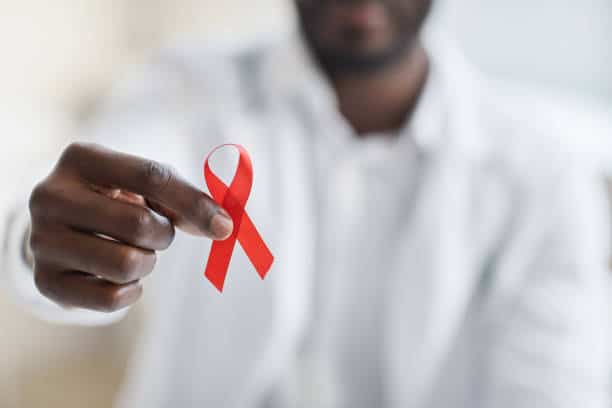
More than 40 years have passed since the CDC reported the first cases of HIV in the United States. This journey has been marked by extraordinary scientific and medical progress—advancements that, at one point, seemed unimaginable. These breakthroughs are a testament to the collaborative efforts involving individuals living with HIV, healthcare providers, advocates, government entities, and the communities most affected by the epidemic.
As we navigate today’s health landscape, we stand on the precipice of being able to end HIV. However, rising infection rates—particularly among Black and Latine communities—pose a formidable challenge to achieving that goal.
Then and Now
In the early days of the HIV epidemic, a diagnosis often came with a grim prognosis: individuals typically had just two to ten years to live. Fast forward to today, thanks to breakthroughs in antiretroviral therapy (ART) and improved access to healthcare, more than half of people living with HIV in the U.S. are over the age of 50. What was once a complex condition requiring specialized treatment can now often be managed by primary care providers, who have a range of treatment options, including single-pill regimens and long-acting injectables.
Prevention strategies have also undergone a remarkable transformation. Initially, effective preventive options were virtually non-existent; however, today we have a robust toolkit of biomedical interventions. One notable advancement is pre-exposure prophylaxis (PrEP), which can reduce the risk of HIV transmission through sexual contact by up to 99%. Additionally, effective ART enables individuals living with HIV to achieve an undetectable viral load, meaning the virus is so suppressed that standard lab tests cannot measure it. The understanding of “Undetectable = Untransmittable” (U=U) has emerged, reinforcing the principle of Treatment as Prevention (TasP). This not only empowers people living with HIV but also helps diminish the stigma surrounding the virus, reshaping the narrative around HIV and sexual health.
Furthermore, recent endorsements from the CDC for a biannual injectable option for HIV prevention represent another leap forward. This long-acting PrEP has shown over 99.9% efficacy in preventing HIV during clinical trials. It’s a game-changer, especially for Black communities where barriers to consistent daily medication adherence often compromise prevention efforts. This innovative option fuels hope for broader access to protection and potentially reduces disparities in HIV prevention.
Despite these groundbreaking advancements, not every community has been able to benefit equally. Black and Latine populations continue to face disproportionate rates of HIV infections, even as new diagnoses have decreased among white men. Alarmingly, only 13% of Black individuals who could benefit from PrEP have been prescribed it. We have the knowledge to prevent and treat HIV, but without equitable access to testing, prevention, and education, we cannot truly end the epidemic.
The National Medical Association (NMA) is proud to partner with organizations like Gilead Sciences that share our commitment to eradicating HIV. Collectively, we are striving to create a healthier future for everyone.
What’s Hindering Progress
Despite the strides we’ve made, pervasive stigma and a lack of awareness stand as two significant obstacles to ending the epidemic. The recent federal government shutdown on October 1, a direct result of budget disagreements, poses a serious risk to public health efforts. Proposed cuts include nearly $2 billion in HIV prevention and treatment funding, shaking the foundation of critical services and potentially stalling years of progress. This disruption threatens not just scientific advancement, but also equity in healthcare.
Providers Have a Part to Play
Healthcare providers play an essential role in shaping conversations that can save lives. For Black healthcare providers, the opportunity to normalize conversations about PrEP in the communities they serve is especially significant. It falls on us to ensure that individuals have accurate information about testing and available prevention options, empowering them to take control of their sexual health. Alarmingly, in 2022, only 36% of the 1.2 million individuals who could benefit from PrEP were actually prescribed it.
As health leaders connected to Historically Black Colleges and Universities (HBCUs), it is vital that we increase both the availability of medications like PrEP and the cultural expectation among younger generations to choose prevention as a norm.
What Can We Do?
Ending the HIV epidemic is a shared responsibility that transcends individual roles.
-
As individuals, we can engage in open dialogues with our partners, families, and communities to help diminish the stigma surrounding HIV and PrEP.
-
As healthcare providers, we can foster a culture of openness regarding HIV, ensuring that our patients are informed about their prevention and treatment options.
Dr. Roger A. Mitchell, Jr., MD is the 126th president of the National Medical Association. He is a tenured professor of Pathology at Howard University and serves as the director of the Howard University Center of Excellence for Trauma and Violence Prevention, leading outreach efforts to decrease gun violence in the District of Columbia. Dr. Mitchell also previously served as president of the Howard University Hospital and is board certified in anatomic and forensic pathology by the American Board of Pathology.


