The Plea for Justice: Charles Flores and the Fight Against Wrongful Execution
In the complex landscape of the American legal system, particularly concerning capital cases, a stark dichotomy emerges between the professed commitment to justice and the actual implementation of that promise. States frequently declare their dedication to equality and fairness, yet actions often contradict these assurances, particularly when race and bias shape the outcomes for those accused of grave offenses.
A Flawed Commitment to Justice
The ongoing struggle against the death penalty reveals the troubling propensity for inequalities and injustices to persist, despite legal frameworks designed to safeguard against such realities. Actions speak louder than words, and in many instances, the systemic flaws of the justice system raise profound questions about the integrity of convictions.
The Case of Charles Flores
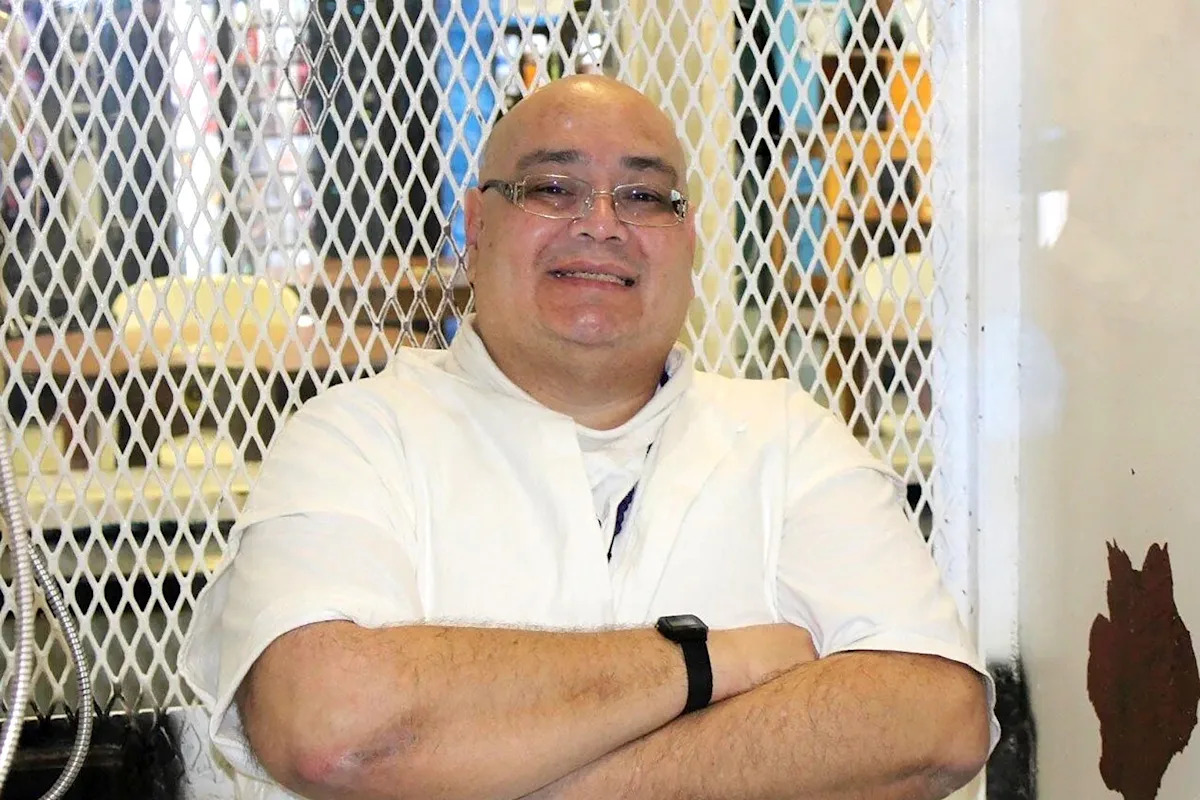
Earlier this month, Charles Flores took his plight to the United States Supreme Court. His petition marks a critical moment in his legal battle, aimed at affirming Texas’s obligation to honor its commitments to death row inmates. Flores seeks to benefit from Texas legislation that enables condemned individuals to present evidence of their innocence, asserting a fundamental right to prove his wrongful conviction.
Flores was convicted in 1998 for the murder of Betty Black during an attempted robbery. From the outset, he maintained his innocence. His co-defendant, Richard Childs, opted for a guilty plea and has since been released on parole. This duality in their fates raises pertinent questions about prosecution and conviction practices.
Eyewitness Testimony and Its Pitfalls
Central to Flores’s conviction was the testimony of eyewitness Jill Barganier, who claimed with unwavering certainty that she had seen him enter Black’s home on the day of the murder. However, the evidence supporting his guilt was tenuous at best, as there was no physical evidence linking him to the crime. Eyewitness identifications, historically and empirically shown to be unreliable, carried the weight of conviction.
Barganier’s initial report described two white males; Flores, who is Hispanic and bore a significantly different appearance at the time, was not a match. Moreover, the composite sketch created by a police artist bore no resemblance to him. The art of human memory is inherently flawed—compounded by the fact that Barganier did not even select Flores’s picture from a lineup. Instead, her confidence appeared to be manipulated by what is known as “investigative hypnosis.”
Investigative Hypnosis: A Controversial Practice
Investigative hypnosis purports to extract hidden memories, but its reliability has been widely debunked. Not only does hypnosis risk corrupting genuine recollections, but suggestive questioning techniques employed during sessions can lead to false memories. The very foundation of Barganier’s testimony, formed under questionable methods, raises alarms about the legitimacy of her assertions.
The Texas legal landscape has evolved to recognize these pitfalls. In 2023, the state chose to ban the use of post-hypnotic testimony in criminal trials, acknowledging its unreliability. Yet, this mandate was not retroactive, creating a troubling inconsistency wherein flawed methods that once led to convictions can still endanger lives today.
A Call for Due Process
Flores’s struggle raises critical questions regarding due process and the integrity of justice. Despite Texas having laws intended to protect against wrongful executions, the application of these laws often seems arbitrary. His petition highlights this dilemma, alleging that the Texas Court of Criminal Appeals has barred his attempts to prove his innocence without providing adequate justification.
Due process requires more than mere acknowledgment of rights; it demands a real opportunity to assert one’s innocence. Flores’s repeated attempts to seek recourse illustrate a system that can afford to legislate protections against wrongful execution but simultaneously renders those protections ineffective for individuals already condemned.
The Fundamental Right to be Heard
In his legal argument, Flores draws upon the critical notion of “statutory entitlements.” When a state establishes a right, it cannot deny an individual’s access to that right without due process. The Supreme Court’s historical recognition of this principle underscores the gravity of Flores’s plea: the opportunity to be heard in matters as consequential as life and death.
What Flores seeks is not just the chance to present his evidence but recognition of a fundamental injustice affecting many on death row. If the Supreme Court chooses not to hear his case, it further complicates the narrative of justice within the confines of capital punishment—a tale wrought with contradictions, biases, and human fallibility.
The Broader Implications
Flores’s situation is emblematic of grave flaws within a system that often places expediency over justice. The outcome of his appeal could redefine the obligations of states in upholding the sanctity of due process. As the legal battle unfolds, it serves as a reminder of the importance of vigilance in ensuring that the rights of all individuals are respected, no matter the circumstances of their conviction.
In summary, the case of Charles Flores demonstrates the numerous challenges faced by those navigating the capital punishment system, emphasizing the urgent need for reforms that prioritize truth over convenience, justice over expediency. The narrative serves as a critical lens through which society must examine its commitment to fairness and the ethical responsibilities owed to every individual, regardless of their alleged crimes.