

The SAVE Act: A Controversial Election Overhaul
U.S. Representative Yvette D. Clarke, chair of the Congressional Black Caucus, recently characterized the SAVE Act as “not an election security bill — it is a voter suppression bill, full stop.” This statement has captured the attention of lawmakers and the public alike as the contentious legislation moves through the legislative process.
What is the SAVE Act?
The SAVE America Act, which passed in the House of Representatives, aims to establish stricter voter registration laws. This sweeping election overhaul is now set to head to the Senate and potentially onto President Donald Trump’s desk. Supporters, including the White House, argue that the bill is crucial for restoring election integrity, claiming that it is necessary to prevent fraud. Critics, however, have labeled it an attempt to undermine the voting rights of marginalized communities.
Stricter Registration Laws: The Core Provisions
The legislation mandates proof of identification and citizenship to register to vote—steps that proponents say will safeguard elections. President Trump has underscored this initiative, asserting that Democrats oppose voter ID laws because they want to “cheat.” This sentiment reflects a broader Republican narrative that seeks to connect election security with the integrity of the electoral process.
The Argument for Voter Suppression
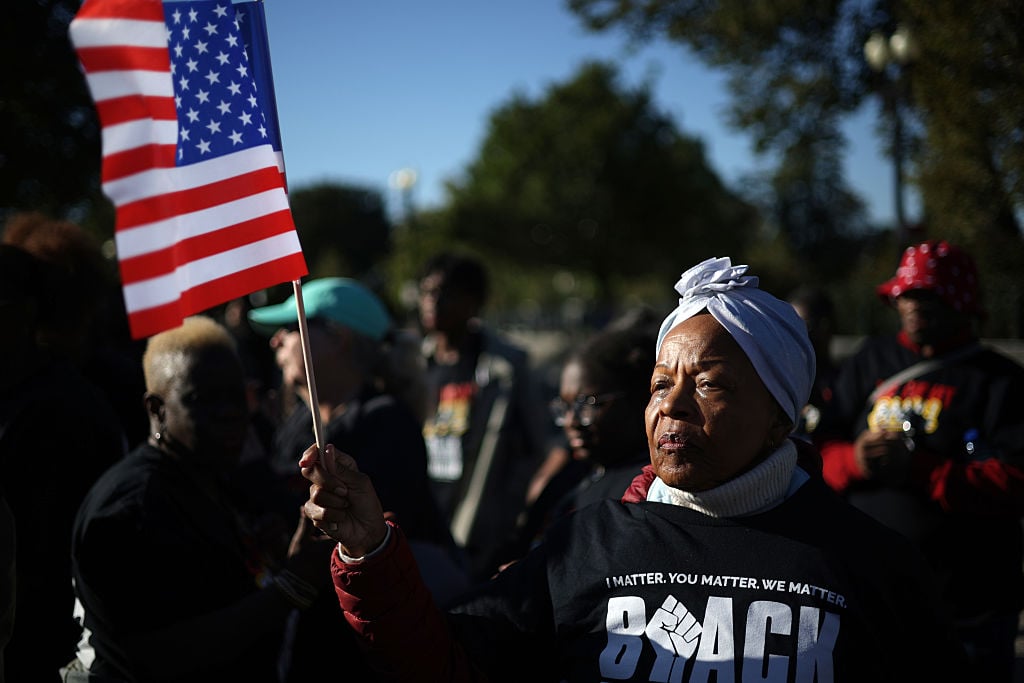
Opponents of the SAVE Act argue that its provisions disproportionately affect Black and Brown voters. “The Republicans’ amended version of the SAVE Act that passed in the House is nothing more than an effort to undermine the right to vote ahead of the 2026 midterm elections,” Clarke emphasized. She warned that these changes would create barriers that make it “harder to vote for millions of eligible U.S. citizens,” particularly among minority groups.
Impact on Marginalized Communities
According to the Democracy Project, a striking 21% of Black Americans and 23% of Hispanic Americans lack access to a driver’s license, a critical form of ID increasingly required for voting. In contrast, only 8% of white Americans face this barrier. Moreover, the report highlights that socioeconomic factors compound these challenges; for instance, 13.8% of Black households lack a checking or savings account—again, often necessitating an ID to open.
Historically rooted in the Jim Crow era, these restrictive ID practices have persisted, serving to disenfranchise those most in need of support within the electoral system.
Civil Rights Leaders Speak Out
NAACP President and CEO Derrick Johnson has voiced concerns similar to Clarke’s, declaring the SAVE Act as “nothing more than voter suppression disguised as voter protection.” He urges the Senate to block the bill, framing it as part of a broader strategy to dismantle voting rights. Johnson also notes Trump’s past assertions about “nationalized” elections as a direct violation of the Constitution, highlighting the potential dangers of this legislative approach.
The Political Landscape
While the SAVE Act has gained traction in the House, its future in the Senate remains uncertain. With Republicans holding a slim majority of 53-47, the bill may struggle to acquire the 60 votes needed to advance. President Trump has suggested changing Senate filibuster rules to facilitate the passage of the SAVE Act, a proposition that could further complicate the legislative landscape.
Congressional Black Caucus Response
Clarke firmly states that changing the filibuster to allow for this bill’s passage would be unacceptable to the Congressional Black Caucus (CBC). “The CBC will not sit back while extremists continue to strip away access to the ballot box for our communities,” she asserted. The urgency of this response reflects the high stakes as the November midterm elections approach.
Preparing for Election Season
As Trump rallies for support among Republicans to secure this legislation, discussions around redistricting and voting rights elevate the stakes for upcoming elections. Trump has suggested that any loss of Republican control in Congress would lead to his impeachment, further entrenching the political maneuvering around voting rights.
The Ongoing Debate
The SAVE Act thus serves not merely as a piece of legislation but as a focal point in the ongoing national debate over voting rights. It showcases tensions between opposing political narratives: one side seeking to secure electoral integrity, while the other warns of entrenched voter suppression tactics threatening democracy.


