


The Selma to Montgomery March: A Rainy Struggle for Justice
Amid one of the most turbulent eras in American history, the weather in the Southeast did little to ease the ongoing fight for justice and equality. The Selma to Montgomery march in 1965 remains a powerful symbol of perseverance in the face of adversity, as participants braved not only social hostility but also the very elements themselves.
What Was the Selma to Montgomery March?
The Selma to Montgomery march stands as a landmark event in the American Civil Rights Movement. Sparked by the Civil Rights Act of 1964, which aimed to eliminate segregation in public spaces and prohibit discrimination in employment, the march sought to highlight the ongoing barriers African Americans faced in exercising their right to vote in the South.
Despite this significant legislative win, many states in the South continued to obstruct voting rights for Black citizens. The situation escalated on February 18, 1965, when a peaceful protest in Marion, Alabama, turned violent. White segregationists attacked the gathering, leading to the shooting death of Jimmie Lee Jackson, an African American protester. This tragedy galvanized civil rights leaders, including Martin Luther King Jr., to organize the Selma to Montgomery march.
The Beginning of the March
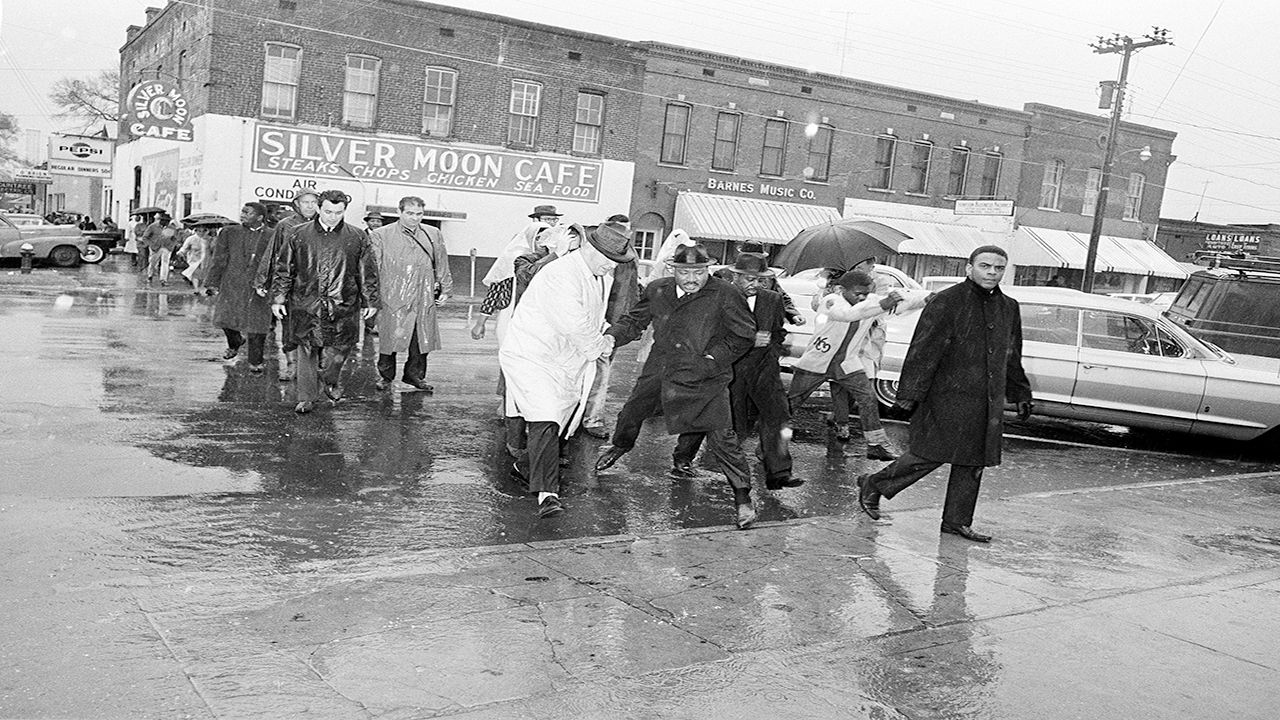
The march officially began on March 1, 1965, with a voter registration drive under pouring rain. The heavy downpour left roadways and sidewalks puddled, but this did not deter the participants. Clad in raincoats and armed with umbrellas, thousands prepared for the journey ahead, demonstrating an unwavering commitment to their cause.
On March 7, the march itself commenced, stretching over more than two weeks across 54 miles from Selma to Montgomery. Participants faced numerous challenges along the way, including attempts by law enforcement and segregationists to thwart their progress. The weather, marked by relentless rain, matched the adversities they faced from those opposed to change.
A Turning Point for the Movement
On March 15, President Lyndon B. Johnson publicly expressed his support for the march. This endorsement marked a crucial turning point in the struggle for voting rights. With federal support, military personnel were deployed to protect the marchers as they continued their journey toward Montgomery.
Finally, on March 25, the march concluded with a rally at the Alabama State Capitol, solidifying their demands for voting rights. The resilience shown by the participants, even in the most challenging weather conditions, ignited national attention and urgency around the issue.
A Big Win for Racial Equality
The culmination of the Selma to Montgomery march not only represented a significant moment in civil rights history but also led to tangible legislative change. On August 6, 1965, President Johnson signed the Voting Rights Act, securing the right to vote for all African Americans across the country. This legislation effectively abolished literacy tests and other discriminatory practices that had long been used to disenfranchise Black voters.
The Voting Rights Act of 1965 is hailed as one of the most significant pieces of civil rights legislation in American history. It provided a crucial platform for the voices of the Black community, allowing them to demand justice and equality in a society that had long denied them both.
As communities continue to reflect on these pivotal moments in history, it is essential to remember the determination and courage that characterized the Selma to Montgomery march. Their struggle against social injustice, coupled with the elements, serves as a powerful reminder of the resilience of the human spirit when fighting for rights and dignity.


