

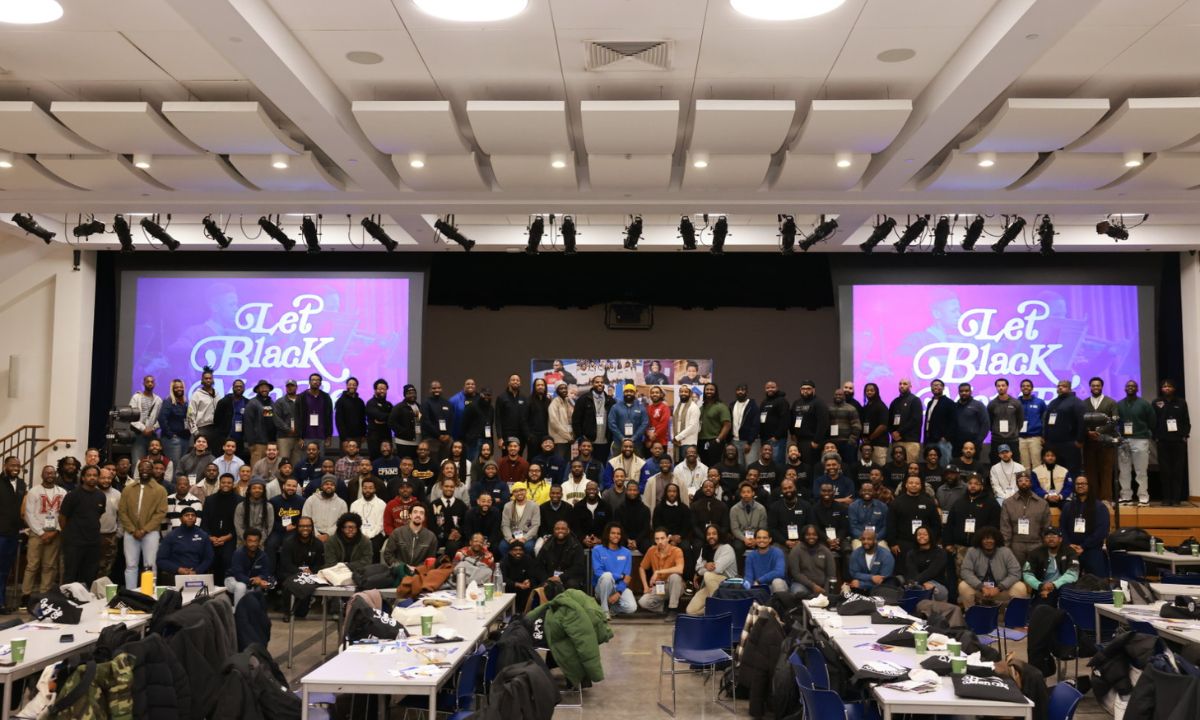
The Vital Role of Black Male Educators in America’s Schools
A Unique Perspective in Education
In America’s public schools, I often find myself labeled as an educational unicorn: a Black male educator. This unique designation carries immense responsibility and significance. As a principal, I witnessed firsthand the impact of representation when over 200 Black and Brown boys roamed the hallways of my elementary school. For many of these students, I was one of the few Black male leaders they encountered in positions of authority. That visibility mattered deeply.
The Importance of Representation
Daily interactions with these students reinforced the profound effect that representation can have on their educational journeys. However, it is crucial to acknowledge that such representation is alarmingly rare. According to recent statistics, the percentage of Black male educators in the United States stands at just 1.3% as of the 2020-2021 school year, down from 6.5% in previous years. As schools face a national teacher shortage, it becomes increasingly important to not only recruit educators but to ensure that diverse faces are visible in classrooms across the nation.
Tangible Benefits of Representation
Why does this representation hold such weight? Research has demonstrated that having a single Black male educator can drastically reduce dropout rates for Black male students by up to 39%, while their aspirations for higher education can increase by 19%. Furthermore, a study indicates that Black students’ graduation rates can rise by 33% when they have Black teachers during formative years. This isn’t just a feel-good narrative; it’s a demonstrable intervention that can change lives.
Addressing Academic Disparities
Historically, Black boys have faced significant educational setbacks, with lower academic outcomes and higher dropout rates in middle and high school. The research is clear: culturally relevant and responsive teaching practices can help connect Black boys to their school communities and affirm their identities. Yet, such practices are only effective when delivered by educators who understand and share students’ lived experiences.
Building Trust and Challenging Narratives
Teachers who reflect their students’ backgrounds can foster trust, pick up on cultural nuances, and dismantle stereotypes simply by occupying spaces of authority. Their mere presence challenges narrow narratives surrounding Black youth. Children deserve to see leaders who exemplify intelligence, capability, and excellence that mirrors their own experiences.
My Journey and the Need for Community
My own path in education began at Morehouse College, where I passionately mentored young children on Saturdays. I quickly recognized that many Black boys I worked with lacked foundational skills vital for future academic success. They were not deficient in potential; rather, they were deficient in opportunity and access. It became clear to me that they had been denied a fundamental civil right—the right to a quality education.
Through a summer teaching fellowship at Uncommon Schools in New York City, I realized that leadership could indeed be part of my journey. The experience illuminated the challenges faced by students falling behind academically, and it solidified my resolve to make a meaningful impact.
The Power of Intentional Recruitment
At Uncommon Schools, we boast that 12% of our teachers are Black males, which starkly contrasts with the national average. This achievement did not emerge by chance; it has stemmed from targeted recruitment strategies, particularly among Historically Black Colleges and Universities (HBCUs). HBCUs provide a pipeline for a substantial portion of Black educators who are motivated to enrich classrooms with Black excellence.
Fostering a Supportive Environment
However, recruiting Black male educators is only part of the equation. Retention is equally critical. Professional development designed specifically for Black male educators is essential for building community and sharing experiences. When educators feel supported, retention rates improve, and in turn, students benefit from the stability that such continuity brings.
Rethinking Role Assignments
It is also vitally important that school leaders avoid relegating Black male educators to disciplinarian roles only. Their contributions extend far beyond behavior management. Research shows that these educators serve as invaluable mentors and role models, and they should be empowered as instructional leaders rather than mere enforcers of rules.
Expanding the Narrative
This discourse isn’t about excluding anyone; it’s about expanding the diversity of those who stand in front of America’s classrooms. All children should witness possibilities that reflect who they are. When I recall the hundreds of boys who saw me daily in the school hallways, I recognize that for some, those interactions may have sparked a belief in their own potential for leadership and accomplishment. Such moments are not merely symbolic—they can be life-altering.
The Classroom as a Launchpad
In the classroom, dreams take flight. Black male students should have the opportunity to see educators who inspire and lead, reflecting their identities and aspirations. Only through such representation can we ensure that Black boys excel academically and evolve into the leaders of tomorrow.


