Coefficient Giving: A Deep Dive into Controversial Philanthropy
Overview of Coefficient Giving
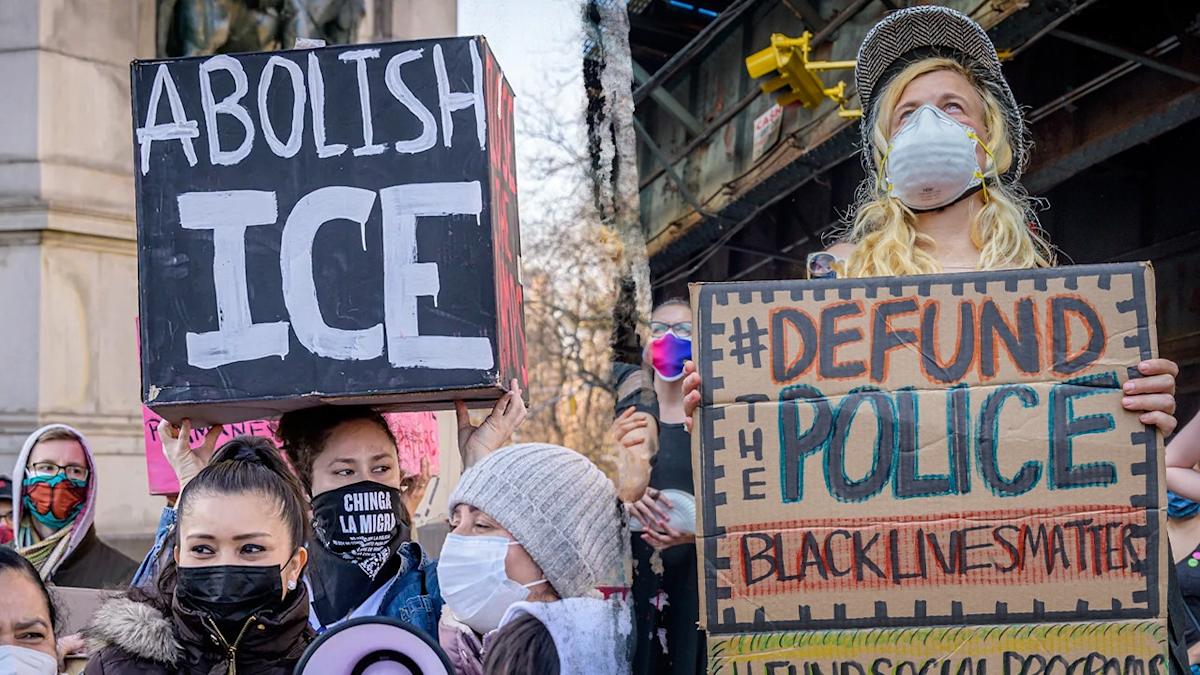
Coefficient Giving, a philanthropic organization primarily funded by liberal billionaire Dustin Moskovitz and his wife Cari Tuna, has been at the center of controversy for its financial support of various progressive initiatives. Formerly known as Open Philanthropy, the organization has transitioned in its focus, particularly when it comes to issues surrounding criminal justice reform. Critics have raised alarm over its support for “radical projects,” including donations to groups advocating for defunding the police and initiatives aimed at terminating U.S. Immigration and Customs Enforcement (ICE).
The Shift from Open Philanthropy to Coefficient Giving
Before its rebranding, Open Philanthropy was noted for making significant grants to groups involved in criminal justice reform over six years. These donations, often amounting to millions, were aimed at organizations advocating for systemic changes in law enforcement, incarceration policies, and broader societal reform. After divesting from these initiatives in 2021, the projects were transferred to a new entity called Just Impact.
Notable Recipients of Funding
JustLeadershipUSA
One of the most notable recipients was JustLeadershipUSA, which received around $4.4 million from Open Philanthropy. The organization, headed by DeAnna Hoskins, has been vocal about the need to reallocate resources from policing to community investments. This aligns with its philosophy that connects incarceration practices to historical injustices, drawing parallels with slavery.
Color of Change
Open Philanthropy also donated approximately $3.3 million to Color of Change, a highly active player in the defund the police movement. The organization has notably called for drastic reductions in police funding and has been critical of actions taken by law enforcement against marginalized communities. In 2021, its campaign director amplified the urgency for “no more police and no more mass incarceration.”
People’s Action
Another significant organization that benefitted from Open Philanthropy’s funding is People’s Action, which garnered close to $2 million. The group declared its solidarity with the Movement for Black Lives, an anti-capitalist coalition advocating for an end to police presence in public institutions. Their statements have underscored a belief that police forces do not serve as protectors but rather as oppressors within Black communities.
Critical Responses to Funding Decisions
Critics, including Curtis Schube from the Center to Advance Security in America, have vocally opposed these funding choices. Schube asserted that the organization “quietly funds all kinds of radical projects,” which he claims undermine social welfare and create less safe environments for the very communities they purport to help. He highlights that initiatives aimed at eliminating bail or defunding police can lead to increased criminal activity.
Alliance for Safety and Justice
Among the largest beneficiaries was the Alliance for Safety and Justice, receiving $11.75 million through multiple grants. This organization advocates for strategies prioritizing community-led safety over traditional incarceration. Yet, its stance has drawn criticism for potentially compromising public safety by championing policies that some argue fail to protect vulnerable communities.
Funding for Anti-ICE Initiatives
Coefficient Giving has also funded organizations like the Free Migration Project. Their calls for the abolition of ICE reflect a larger narrative questioning the morality and effectiveness of current immigration enforcement strategies. Following the death of activist Renee Good due to an ICE encounter, the Free Migration Project reiterated its demand for the complete abolition of such institutions.
The National Bail Fund Network
The National Bail Fund Network, another recipient of funding, aims to support individuals who cannot afford bail, particularly those arrested during the 2020 Black Lives Matter protests. Critics argue that some individuals assisted by these funds may have committed further offenses post-release, illustrating the complexities surrounding bail reform efforts.
The Transition to Just Impact
In late 2021, Open Philanthropy transitioned its criminal justice reform efforts to Just Impact. This shift involved a substantial investment of $50 million to support initiatives aligned with similar progressive values. Even after the rebranding, the tensions surrounding its funding choices persist, as public debate continues around the effectiveness and implications of these philanthropic efforts.
A Mixed Funding Approach
While the bulk of Open Philanthropy’s donations has gravitated toward progressive causes, the organization has also extended some financial support to conservative groups. Notably, it awarded $612,000 to the American Conservative Union, indicating a strategic attempt to engage across the political spectrum, albeit with a clear alignment towards liberal ideals in most initiatives.
The Road Ahead
As Coefficient Giving continues to navigate its path in the philanthropic landscape, the organization finds itself contending with fierce criticism from various quarters. While proponents emphasize its commitment to social justice, critics question the efficacy and safety implications of the projects it funds. The broader societal conversations surrounding policing, immigration, and systemic reform remain heated and remain a focal point for the organization’s future endeavors.