The Hidden Mental Health Risks of Common Hair Loss Drugs Men Should Know About
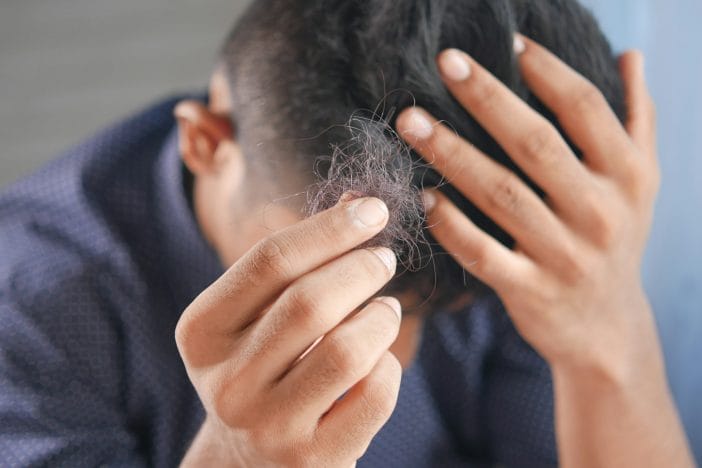
Hair loss presents men with not only a physical challenge but also a psychological one. When staring at thinning strands in the mirror, many may feel their confidence wane, igniting a quest for solutions. Enter prescription medications that promise to restore a luscious hairline. Yet, the pills that seem like a quick fix can carry hidden mental health risks that warrant serious consideration.
The Promise of a Fuller Hairline Comes with Real Trade-Offs
Medications like finasteride and dutasteride are often prescribed to combat male pattern baldness. By blocking the conversion of testosterone into dihydrotestosterone (DHT)—the hormone responsible for shrinking hair follicles—these drugs aim to slow hair loss and even promote regrowth. On paper, this sounds fantastic, but hormones play a far more complex role in our overall health than simply regulating hair.
Hormonal alterations can significantly affect mood and emotional regulation, which has led regulatory agencies to require updates on finasteride’s labeling. These updates include warnings about potential side effects such as depression and suicidal thoughts. Clinical observations and post-marketing reports have indicated that a subset of men may experience considerable psychological side effects stemming from these medications.
While many men take these drugs without noticing any adverse effects, a small percentage report ongoing symptoms, including low mood, heightened anxiety, irritability, or emotional numbness. Given that hair loss treatment often begins in young adulthood—a time already fraught with pressures of identity and relationships—understanding these mental health aspects is crucial.
Depression, Anxiety, and the Shadow Side of Hormone Manipulation
The manipulation of DHT levels doesn’t affect hair alone; it profoundly influences neurosteroids in the brain that are crucial for mood regulation. For susceptible individuals, reduced DHT levels may lead to depressive symptoms. While the scientific community debates the pathways, the number of clinical reports that suggest a link is compelling enough to provoke caution.
Multiple studies have documented cases where men developed depressive symptoms post-finasteride, even when they had no prior mental health issues. Some reported improvement upon discontinuation of the drug, while others faced lingering challenges. The term “post-finasteride syndrome” has emerged to discuss these persistent sexual, physical, and psychological effects, drawing attention to the need for further research and understanding.
Anxiety also frequently appears in patient reports. Men may find themselves grappling with constant tension or racing thoughts alongside a shocking decline in motivation. The emotional toll of hair loss adds another layer, making it tricky to decipher whether mood changes stem from medication or the stress tied to hair loss. Honest self-monitoring becomes indispensable; tracking mood shifts is as vital as noting any change in hair growth.
Sexual Side Effects and the Mental Toll That Follows
While finasteride and dutasteride are notorious for sexual side effects like decreased libido and erectile dysfunction, professionals often overlook the psychological ramifications of these issues. A decline in sexual function can rapidly erode self-esteem and strain relationships, leading to a sense of inadequacy.
For some, sexual side effects diminish after stopping the drug. However, persistent issues can morph frustration into hopelessness. A man seeking to bolster his confidence through a hair-loss medication may ironically end up feeling less confident overall—a heavy emotional burden to bear.
Mental health professionals stress the interconnectedness of sexual and emotional health. Any drug that impacts one can have cascading effects on the other. Therefore, men experiencing sexual side effects should voice their concerns to their healthcare provider promptly, opening the floor for a conversation about the appropriateness of the medication moving forward.
Who Faces Greater Risk?
While researchers have yet to identify a definitive profile for men who will experience negative mental health effects from these medications, factors such as a history of depression or anxiety warrant caution. This doesn’t rule out treatment options, but it does necessitate a careful approach and vigilant medical monitoring.
Age can also play a critical role. Many men seeking hair loss treatments are in their twenties, a time often filled with career ambitions, relationship changes, and financial stressors. Adding a drug that may disrupt emotional stability into this already tumultuous period requires careful thought.
It should be standard practice for doctors to screen for mental health history before prescribing finasteride or dutasteride. Simple discussions around past depressive episodes or anxiety disorders can lead to safer medical choices. Nonetheless, busy appointments may skip these conversations, making it crucial for patients to bring their mental health history to the forefront of the discussion.
Smart Steps Before Starting Treatment
The mention of potential side effects shouldn’t incite panic. Millions have safely used finasteride for years. However, informed consent is vital. Men deserve a well-rounded view of both benefits and risks before embarking on medication journey.
Start with a thorough medical evaluation and specific inquiries about mood disturbances and sexual side effects. Seek information about the frequency of these issues and the warning signs for serious concerns that require immediate attention. Exploring non-pharmaceutical alternatives, such as topical treatments or even lifestyle changes, can be equally valuable.
Once treatment begins, intentional self-monitoring can make a significant difference. Keeping a mood journal that tracks sleep patterns, energy levels, and emotional states will aid in recognizing any significant changes. Promptly sharing observable shifts with healthcare providers can help mitigate the escalation of mood dips into deeper depressive episodes.
Hair, Identity, and Emotional Health
Society often frames male hair loss as a cosmetic dilemma, but it reaches deeper into identity and self-perception. Cultural narratives equate a full head of hair with youth, vitality, and attractiveness. Thus, when hair begins to thin, many men feel they lose not just hair, but a vital aspect of their identity.
While medication can restore a sense of control, emotional health deserves equal consideration. No hairstyle justifies a deep plunge into depression or anxiety, and mental well-being should never be sacrificed for cosmetic goals.
Men wrestling with intense distress over hair loss might benefit from counseling to navigate their self-image concerns, manage stress, and build resilience. A therapist can help unravel these complex feelings, sometimes diminishing the allure of aggressive pharmaceutical options.
A Clear-Eyed Look Before the First Pill
Hair loss drugs like finasteride and dutasteride can yield effective results but come with significant risks that demand respect. The impact of hormonal changes on brain chemistry is a straightforward truth that should inform every decision-making process.
Anyone considering these medications must weigh their cosmetic desires against potential psychological costs, particularly if there’s a background of mood disorders. Taking mental health seriously involves proactive engagement, open dialogues with healthcare providers, vigilant self-tracking, and the courage to discontinue a medication if adverse effects arise.
Confidence transcends appearances; it flourishes through emotional resilience and stability. When weighing the importance of hair against mental well-being, which aspect holds greater significance for you? Join the conversation in the comments below.