

Exploring Ryan Murphy’s Latest Crime Series: Monster: The Ed Gein Story
Ryan Murphy’s crime anthology series has captivated audiences with its chilling portrayals of infamous criminals, and his latest offering, Monster: The Ed Gein Story, arrives on Netflix on October 3. Centered on the notorious serial killer Ed Gein, this series promises to explore the dark underbelly of his life and the events that led to his gruesome crimes in Plainfield, Wisconsin, during the 1950s.
A Legacy of Horror: Ed Gein’s Infamy
Ed Gein is one of America’s most infamous serial killers, whose life has inspired numerous films and books. Notably, classics like Psycho (1960), The Texas Chain Saw Massacre (1974), and The Silence of the Lambs (1991) draw key elements from Gein’s story. His crimes are steeped in both madness and an unnerving backstory, making him a perennial subject of fascination for filmmakers and true crime enthusiasts alike.
Murphy’s previous Monster installments have examined other notorious figures, such as Jeffrey Dahmer and the Menendez brothers, each delving into the psyche and circumstances surrounding their actions. With Gein, Murphy intends to peel back layers of horror that reveal not just the man behind the madness but the world he operated within.
Troubled Beginnings: A Harrowing Childhood
Gein’s early life was fraught with trauma and instability. Growing up in a farmhouse devoid of modern amenities, his upbringing was heavily influenced by his domineering mother, who instilled in him a hatred of women. A 1957 TIME magazine article described how she would read ominous tales from the Bible about women’s sins, fostering an environment of fear and resentment.
After his mother’s death in 1945, Gein struggled with deep emotional turmoil. He had always been socially isolated, preferring to spend time studying anatomy rather than dating—an inclination that foreshadowed his later actions.
The Descent into Madness: Grave-Robbing and Murder
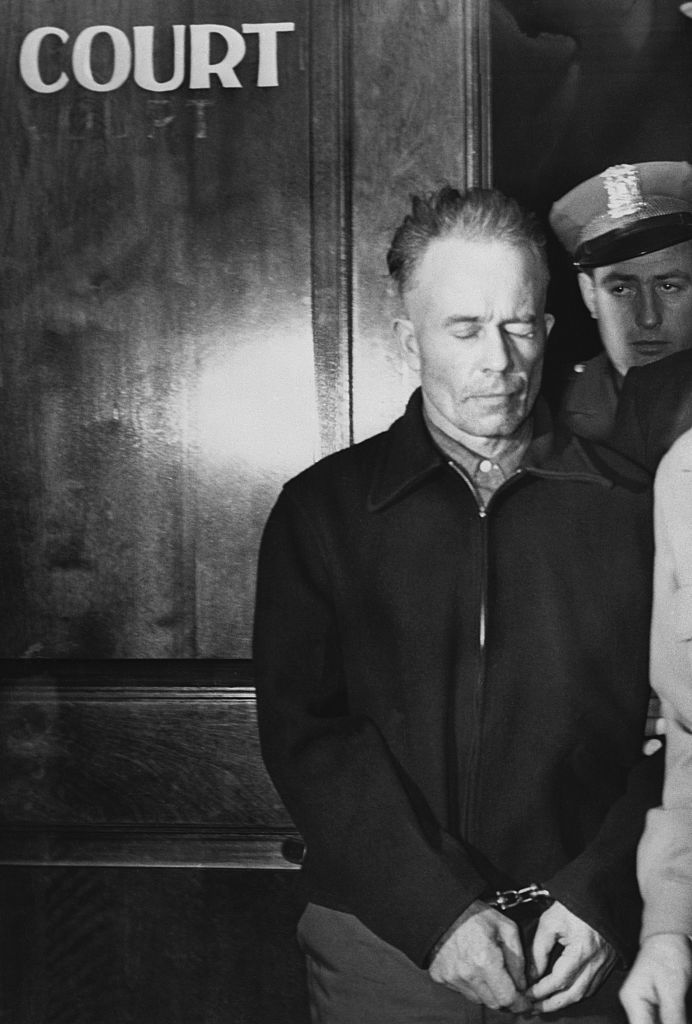
In 1957, Gein found himself at the heart of what TIME labeled as “one of the century’s most gruesome criminal cases.” He was charged with the murder of Bernice Worden, a local sales clerk, alongside the earlier murder of Mary Hogan, a tavern owner who had been missing for three years.
His crimes were grotesque. Gein was known to scour the obituary section of local newspapers, searching for recently buried individuals. He would rob graves, taking parts of corpses to keep as morbid trophies. These acts weren’t rooted in cannibalism or sexual deviance, but rather in an obsession with preserving remains—a twisted longing for his mother and a way to cope with his feelings of loss.
A Mind Unraveled: Diagnosis and Legal Proceedings
Psychiatrists later diagnosed Gein with schizophrenia, believing his actions stemmed from a compulsion to recreate his mother through the victims he targeted. The chilling notion that he sought to “bring her back to life” reveals the profound psychological disturbance bubbling beneath the surface of his crimes.
During his trial, Gein pled not guilty by reason of insanity—a plea that ultimately led to his confinement in a psychiatric institution rather than a prison sentence. This decision highlights the complexities of mental illness within the criminal justice system and raises questions about accountability and treatment. Gein remained hospitalized until his death in 1984.
Cultural Impact: Continuous Fascination with Ed Gein
Gein’s story extends beyond the macabre tales of his crimes; it taps into deeper themes such as the impact of mental illness and the societal fascination with horror. Each film and production based on his life carries with it the weight of ethical considerations—why do we consume these stories? How do they shape our perception of true crime?
Murphy’s Monster: The Ed Gein Story invites viewers to explore these questions while delving into the psyche of a man whose life story is as uncomfortable as it is chilling. This exploration promises to add another layer to our understanding of an enigmatic figure whose legacy continues to haunt the annals of American crime.
In the end, Gein’s notoriety lies not just in his horrendous crimes but in the complex interplay of trauma and madness that fueled them, making his story one of both horror and tragedy in equal measure.


