The Cultural Heartbeat of the Bronx: Skate Key Roller Rink
On a stretch of White Plains Road in the Bronx, not far from the Allerton Avenue train station, stood a building that was more than just brick and mortar; it was a vital heartbeat for New York City’s hip-hop generation. To many, it was merely a low-slung structure nestled between storefronts and fast-food joints. But to the generations that rolled through its doors, it was a sanctuary, a playground, and, most importantly, a cultural icon known as Skate Key Roller Rink.
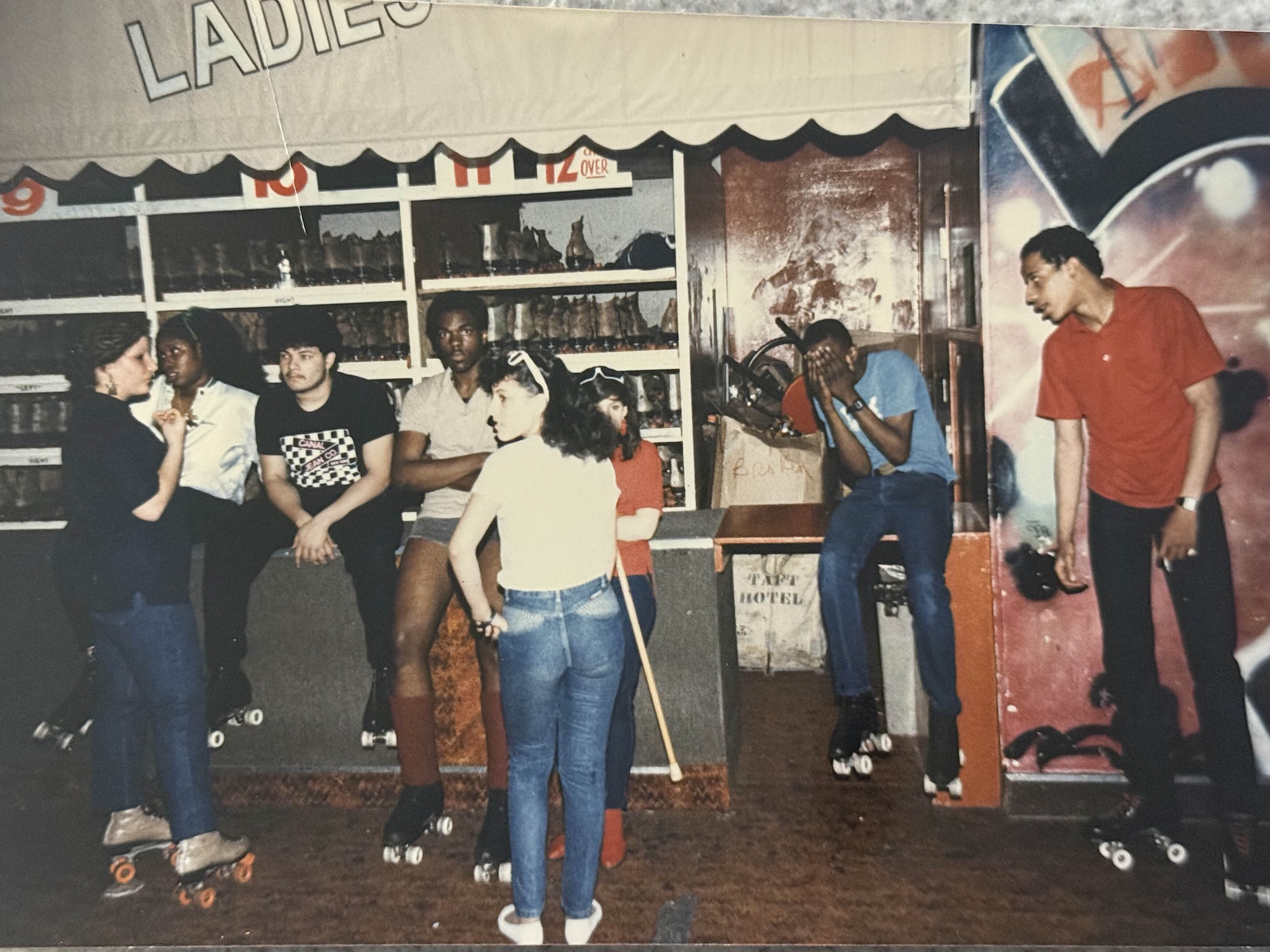
For anyone who grew up in the Bronx during the 1980s, 1990s, or early 2000s, finding Skate Key was a matter of following the sounds that erupted from within. The pulsing beats of DJ music were unmistakable. The sight of stylish teenagers in Kangols and bamboo earrings queuing up outside told you everything you needed to know: something special was happening inside.
The Birth of Skate Key
Before it became the legendary skating rink known as Skate Key, the site served as Brunswick Pelham Parkway Lanes, a bowling alley alive with the sounds of rolling balls and crashing pins. In 1980, Bronx native Ron Letizia, along with his family, transformed the space into a skating rink, marking the beginning of a seismic cultural shift. This simple yet bold move would go on to influence an entire generation.
Michael “Mr. Entertainment” Jacobs, a skate guard at the rink during its early days, fondly reminisces, saying, “Even if you weren’t a roller skater, you just wanted to come in and hang out and feel the vibe.” For many, Skate Key was not merely a venue; it was a gathering place that fostered community spirit.
The Environment and Atmosphere
Sandra “Black Fox” Bryson started working at Skate Key as a snack bar employee and eventually rose to manager. For her, Skate Key was “a safe haven for everybody.” She believed that it brought joy to countless kids, keeping them off the streets and away from negative influences. The early days at Skate Key were characterized by a sense of community, where everyone knew each other, and the Letizia brothers ran the rink with an understanding of how to create that familial atmosphere.
DJs like LA Luv, who contributed to the vibrant ambiance, were also vital. “That was our era. That’s what we needed,” he said, exemplifying the collective nostalgia felt by many who called Skate Key home.
The Rise of Hip-Hop Culture
The 1980s were a pivotal time for Bronx culture. While roller skating still basked in the afterglow of disco, hip-hop was growing rapidly. Kool DJ Red Alert remarked that skating was prevalent before hip-hop took off, and as the two cultures merged, skate rinks like Skate Key adapted to the burgeoning hip-hop scene.
Skate Key became a magnet for excitement, with special nights dedicated to different music genres and community gatherings. DJing legends took the stage, creating a unique soundscape that resonated deeply with those in attendance. The rinks saw energy like no other, drawing skaters from across the city, eager to experience the legendary atmosphere.
The Golden Era
By the early 1990s, Skate Key was known as an original home of hip-hop. General manager Wayne Schmidt noted the significance of hosting pioneers like DJ Kool Herc and Afrika Bambaataa, creating a space where competition was encouraged, but non-violent. In many ways, Skate Key became a cultural incubator, allowing the youth to explore their identities through music and dance.
“This was a haven,” Schmidt recalled, emphasizing the importance Skate Key held in the lives of countless teenagers eager to find themselves amidst the chaos of a changing Bronx. For these kids, Skate Key wasn’t just a rink; it was a rite of passage.
Not Just Roller Skating
Skate Key was more than a venue; it was a stage for dreams. DJs and artists frequently showcased their talents, laying the groundwork for their eventual success. Future stars like 50 Cent spoke of how the rink became a pilgrimage spot for aspiring talent. “That was the stage; that’s where everybody was at,” he noted.
As hip-hop grew, so did Skate Key’s reputation as a must-visit location for fans and artists alike. Names like DMX, Lil’ Kim, and The LOX graced its floors, further solidifying its position as a cultural hub.
The Challenges
Yet, with fame came challenges. The vibrant energy that once defined Skate Key could not shield it from the realities of its surroundings. Issues like crowd control became pressing as the space buzzed with activity. The popularity led to an influx of teenagers, and concerns about rowdiness began to dominate discussions surrounding the venue.
By the mid-1990s, following an increase in trouble and misbehavior associated with the rink, the lease expired, leading to its original closure in 1995. Bryson recalled that the community hesitated to renew the lease due to escalating issues outside the rink, which tarnished the venue’s family-friendly image.
A New Location and Shift in Dynamics
Ron Letizia attempted to revive the rink by moving it to a larger space on 138th Street. Although it initially attracted an influx of attendees, the dynamics changed along with the neighborhood atmosphere. With the incorporation of alcohol and events meant to mimic the nightlife of downtown, Skate Key drifted from its roots, inviting troubles that seemed to haunt its legacy.
In the late 1990s and early 2000s, gang activity rose, leading to increased security measures and heightened scrutiny from the police. The media seized on the incidents associated with the rink, further eroding public trust and parental support.
The Final Curtain
On March 19, 2006, Skate Key held its last skating session, leaving behind an emotional void. Jacobs recalls it as an evening filled with poignant goodbyes, reflecting on the familial bonds formed within its walls. “Where are we going to go now? There’s nothing else for us to do,” he remembered.
With the rink’s closure, cultural rituals diminished, leaving a generation without its cherished gathering space. Local leaders celebrated the end of Skate Key, citing issues within the community, but many saw it as the loss of a cultural monument.
Legacy and Remembrance
Today, Skate Key remains a nostalgic memory for those who once skated its floors. Artists like Nas and Redman have referenced it in their music, underlining its continued relevance in hip-hop culture. Reunions and events celebrate the legacy, reminding the community of a time when skating, music, and friendship intertwined.
It stands as a testament to the ethos of a generation seeking a place to belong — a lost era that resonated with community spirit and cultural pride. For many, Skate Key was not just a location; it was where youth thrived and dreams were nurtured. The building may be gone, but its spirit lives on in the hearts of those who cherished it.