The Roaring Twenties: Women’s Lives in a Transformative Era
The 1920s, often referred to as the “Roaring Twenties,” marked a time of dramatic change, especially for women in America. This decade was defined by social, political, and cultural upheaval, as women pushed against traditional norms and began to assert their independence. From the landmark passage of the 19th Amendment to evolving fashion trends, women’s lives underwent radical transformations, even as societal constraints lingered for many.
The Right to Vote
A significant milestone for women came when the 19th Amendment was ratified in August 1920, granting the legal right to vote. This moment was monumental for white women. Many white women participated in the first election in which they could vote, such as the presidential election of November 1920, where they faced choices like Warren G. Harding and James Cox. However, despite this progress, systemic barriers still existed for women of color. Voter intimidation, discriminatory laws, and issues regarding citizenship meant that many Black, Native American, Asian-American, and Latina women were effectively barred from voting.
Fashion and Cultural Change
Parallel to these political advances, fashion evolved significantly during this decade. The constrictive corsets and bustles of previous generations began to give way to shorter, looser dresses and skirts. The iconic “flapper” emerged as a symbol of the era—women who embraced a more liberated lifestyle, featuring bobbed hair, jazz music, and a carefree attitude.
This aesthetic was often accompanied by beauty trends that featured exaggerated features—like dark-red lips shaped into a perfect Cupid’s bow. Makeup, which was once considered taboo, became an accepted norm thanks in part to entrepreneurial women like Elizabeth Arden. By the mid-1920s, Arden had salons across the globe, promoting the idea that makeup was appropriate for everyday women.
Labor and Economic Opportunities
Women’s roles in the workforce transformed as they began to fill jobs previously dominated by men, particularly during and after World War I. Many women took on positions as switchboard operators, factory workers, and even participated in male-dominated sectors. For instance, Georgia Ann Hill Robinson broke barriers as one of the first Black female police officers in the U.S. This upsurge in employment opportunities, however, was often accompanied by long and laborious hours in often unsafe conditions.
Although the 1920s were marked by economic prosperity for some—where the top 1% of families earned a significant portion of the nation’s income—the harsh realities of poverty and racial injustice persisted, especially affecting women of color. Many Black women, for example, were relegated to low-paying agricultural work, while others worked as domestic help.
Leisure and Lifestyle
Women also began to explore new forms of socialization and leisure. The advent of the automobile granted them greater freedom to travel and engage in activities like attending parties and dances. Popular locales such as speakeasies emerged during Prohibition, where women could enjoy nightlife without the constraints of traditional expectations.
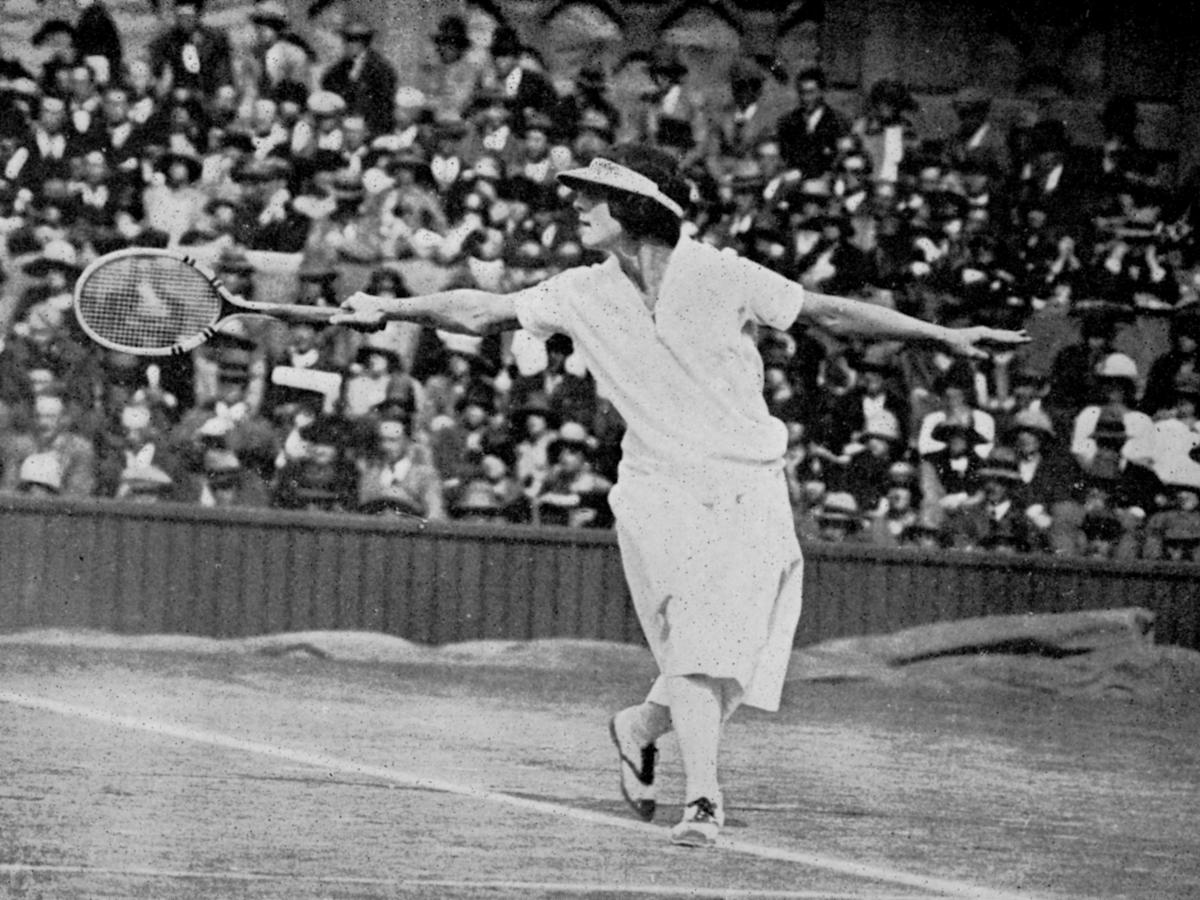
In addition, sports became a more prominent avenue for women. The 1920 Olympics marked the first time American women were allowed to compete in swimming. Athletic figures like Helen Wills and Ethelda Bleibtrey not only made history in their fields but served as inspirations for future generations of female athletes.
The Harlem Renaissance
Culturally, the 1920s also witnessed the Harlem Renaissance, an explosion of African American art, literature, and music. Women like Jessie Redmon Fauset played crucial roles in this cultural movement, supporting fellow writers while publishing their own influential works. Jazz, a genre that became immensely popular during this time, often featured talented women musicians such as Bessie Smith, dubbed the “Empress of the Blues,” and Ethel Waters, who broke barriers as a leading recording artist and actress.
Artistic Representation and Feminism
The artistic landscape was further enriched by women’s unique perspectives. As they gained visibility in various fields, women used their art to comment on issues like gender equality and racial injustice. Josephine Baker emerged as a trailblazing performer who leveraged her fame to act as a civil rights advocate and bring global attention to racial issues.
While the decade was marked by noticeable advancements, the struggle for women’s rights continued. The fight for reproductive rights gained momentum as advocates like Margaret Sanger emerged, supporting a woman’s right to control her own body, reducing the stigma around contraception and family planning.
A Time of Contrasts
Despite the vibrant nightlife, emancipation, and dramatic lifestyle changes, racial tensions remained a dark undercurrent throughout the decade. Events like the Tulsa Race Massacre in 1921 showcased violent intolerance against Black communities, revealing that societal progress often came at the expense of many marginalized groups.
In addition to race, class was also a defining factor. Women of privilege enjoyed the post-war economic boom, immersing themselves in a world of lavish parties and fashion, while those from lower socioeconomic backgrounds continued to face significant challenges.
Conclusion
The 1920s were undeniably a transformative decade for women, marked by a blend of gains in rights and continued societal challenges. Women increasingly took on roles that defied traditional norms, blossomed in political realms, and forged new identities through culture and fashion. Despite these advancements, the journey towards equality for all women—across race, class, and sexuality—was just beginning.
This examination of women’s lives during the Roaring Twenties highlights the complexity of progress, displaying a dynamic mix of liberation, resistance, and resilience that laid the groundwork for future movements toward equality.