

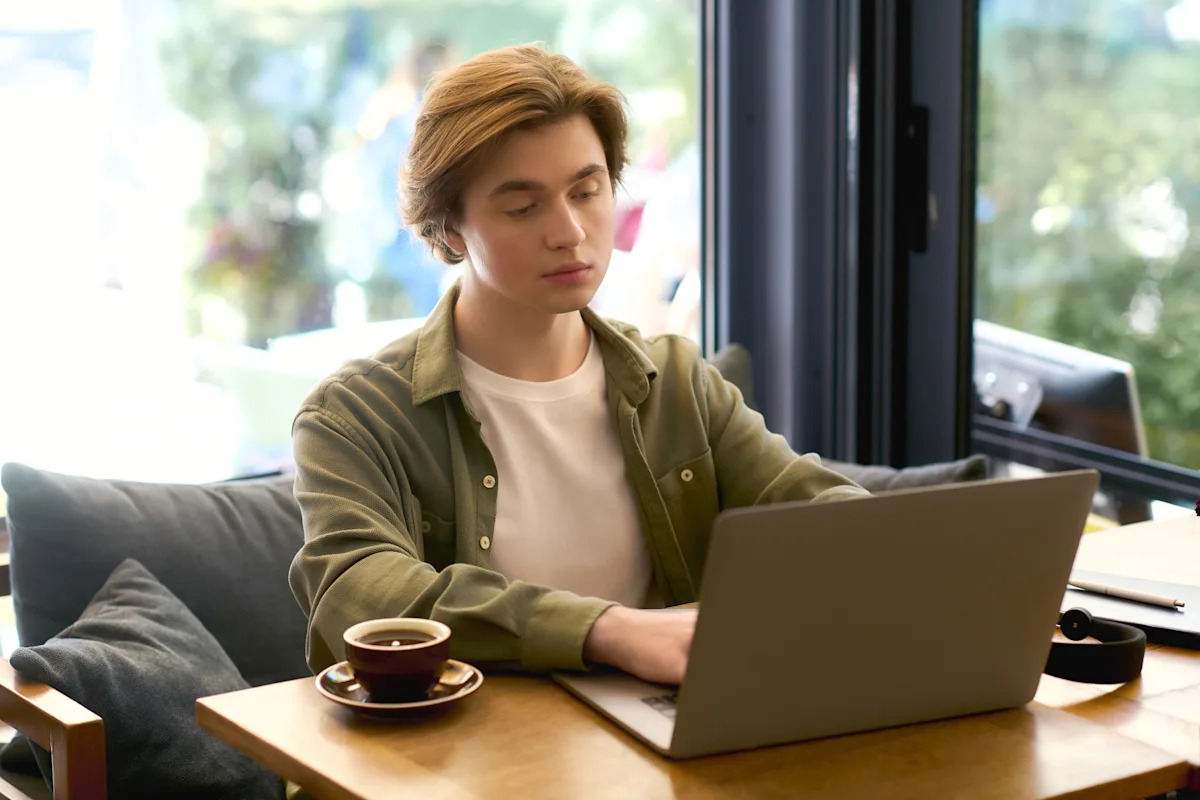
Understanding the Performative Male Trend: A Closer Look at Gen Z Masculinity
If you spend time scrolling on TikTok, you’ll likely stumble upon punchlines about a guy holding a matcha latte or pretending to read bell hooks while proclaiming, “I’m 6’2 btw.” While this might seem like a harmless meme at first, it opens up a conversation about how a generation is conceptualizing masculinity, sincerity, and what it means to be a “good man” in an era dominated by curated online personas.
What Exactly Is the Performative Male Trend?
The “performative male” trend emerged as both a joke and critique—essentially a shorthand to describe young men who curate a set of visual and behavioral signals. Think soft fashion, artisanal drinks, and quirky accessories designed to convey a message of emotional depth: “I’m not like other guys.”
This phenomenon manifests prominently on platforms like TikTok and Instagram. Video compilations showcase men deliberately staging these signals, oscillating between irony and earnestness, often in humorous “starter pack” memes. The clichés are striking: iced matchas, vintage cameras, and the obligatory feminist texts or playlists. The term “performative” highlights the gap between surface-level behavior and actual substance; carrying a feminist book doesn’t equate to being feminist. Instead, it serves as a visual cue in the fast-paced world of social media, where perception often outweighs reality.
Trends and Backlash Colliding
As the performative male trend grows, it reflects a complex dialogue surrounding Gen Z’s relationship with identity and visibility online. This generation is accustomed to recording, captioning, and judging every vibe or opinion, making authenticity highly sought-after yet challenging to achieve. The performative male intersects with other trends, such as the “softboy” stereotype, creating spaces where traditional norms of masculinity are questioned—but not without irony.
Nonetheless, discussions surrounding this trend are not purely comedic. Many feel that it trivializes true feminist engagement, reducing commitment to allyship to mere dating strategies. Critics highlight that this trend can push men away from practices that may seem stereotypically feminine, perpetuating harmful masculine gender norms.
Why This Matters
Masculinity has long been described as a performance—a series of acts and signals society interprets as either masculine or feminine. Social media amplifies this perspective, transforming everything into a public display of gendered behavior. While some view this as a liberating opportunity to break away from traditional stoic masculinity, others argue it simply replaces one performance with another, casting sensitivity itself as a trend.
For Gen Z, the stakes of this discussion are deeply personal. Dating apps, social feeds, and comment sections serve as battlegrounds for identity where young men negotiate their roles in society. The performative male trend ultimately acts as a mirror reflecting larger questions: Are men allowed to be soft? Can emotional awareness truly be genuine in a world driven by likes? Authenticity becomes an increasingly elusive concept when everything exists as a snippet or clip.
Understanding the performative male trend provides insights not only into the complexities of masculinity but also into how a generation grapples with the display of authenticity in a hyper-digital landscape. The juxtaposition of humor and critique in these memes serves as a lens through which we can examine the evolving narratives surrounding masculinity and allyship, thereby recognizing the nuanced ways Gen Z navigates their identities among ever-changing societal expectations.


