


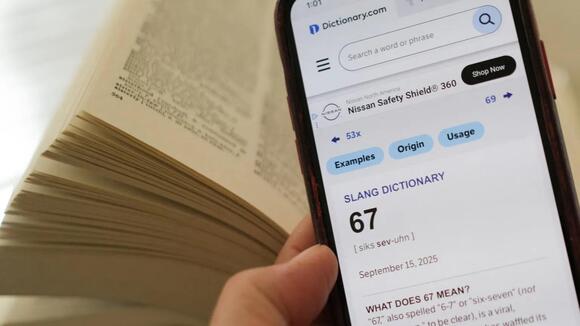
Every year, a new phrase takes over TikTok and everyday conversations—but no one saw this one coming. Dictionary.com has officially named “6 7” the Word of the Year for 2025, and it’s left parents, teachers, and even linguists scratching their heads. The seemingly random phrase went viral after appearing in a song and spreading through Gen Alpha’s TikTok videos, memes, and classroom jokes.
What started as a lyric in a rap track quickly turned into a global inside joke, with teens shouting “six seven” in classrooms, sports arenas, and comment sections everywhere. You might be wondering if the phrase actually means anything— and why exactly it became such a phenomenon. Here’s everything to know about the viral slang that captured Gen Alpha’s humor and earned the top linguistic honor of 2025.
What is the Word of the Year 2025?
Dictionary.com officially crowned “6 7” as the 2025 Word of the Year after the phrase took over TikTok, Instagram, and school hallways across the U.S. The term captured the chaotic, playful humor of Gen Alpha and teens, who use it as a kind of nonsense catchphrase that somehow still feels relatable. The site noted that “6 7” perfectly embodies how language is evolving in the digital age, where memes, music, and viral videos now define how young people communicate.
What Does 6 7 Mean?
At its core, “6 7” doesn’t have a fixed definition — and that’s part of its charm. It’s mostly used for comedic effect, serving as a reaction to random moments online or humorously filling silence in conversation. For many teens, saying “six seven” is a playful way to express confusion or amusement without a specific context. This element of humor resonates deeply with Gen Alpha, as they are increasingly gravitating towards a linguistic style where absurdity and randomness foster social bonding. As Dictionary.com explained, the phrase represents how young users “find belonging and humor in randomness,” turning silliness into shared experiences.
Who Started the Viral 6 7 Trend?
The trend traces back to “Doot Doot (6 7)”, a 2024 track by rapper Skrilla, which first popularized the phrase through its catchy beat and nonsensical lyrics. The song’s infectious nature led to its rapid spread, with TikTok users quoting and remixing the track in a variety of funny videos. The real tipping point came from a viral clip that showcased a kid joyfully shouting “six seven!” during a basketball event. The memorable moment quickly sparked a wave of edits, memes, and reaction videos, firmly linking the phrase to sports and especially to athletes like LaMelo Ball, known for his 6′ 7″ stature.
The Cultural Impact and Evolution of 6 7
“6 7” has crafted a niche for itself in Gen Alpha’s vernacular, finding its way into various facets of online culture. It serves not only as a humorous expression but also as a social connector. As teens adopt this phrase, it amplifies their ability to communicate in a language uniquely their own—a blend of digital media influences and a sense of community. In schools, it’s become a way for students to bond over shared laughter, while in online spaces, it functions as a quirky shorthand that signals membership in a participating culture.
The Role of Platforms in Viral Trends
Platforms like TikTok have become the incubators of such trends, thanks to their unique algorithms that promote engaging content to wider audiences. In this case, the playful absurdity of “6 7” easily cuts through the noise of online distractions, encouraging swift iterations and adaptations. The immediacy of TikTok allows trends to escalate rapidly, as users remix and react, transforming fleeting moments into cultural phenomena. “6 7” exemplifies how digital platforms are shaping the evolution of language, introducing spontaneity and fun into daily interactions.
Future Implications for Slang and Language Trends
As “6 7” takes its place in the lexicon of Gen Alpha, it raises interesting questions about the future of language and communication among younger generations. With each passing year, as new phrases and slangs emerge, they reflect the ever-evolving nature of youth culture, influenced by technology and social dynamics. Observing the rise of such terms can offer valuable insights into generational shifts in humor, identity, and community interaction, suggesting that written and spoken language will continue to bend to accommodate new cultural expressions.


/online-therapy-methodology-explainer-promo-1440x810.jpg?sfvrsn=e0817525_3&ssl=1 "Explaining the Methodology of Online Therapy")


