Shunning top-down strategies, AIDS fighters turn to LGBT+ communities for PrEP promotion
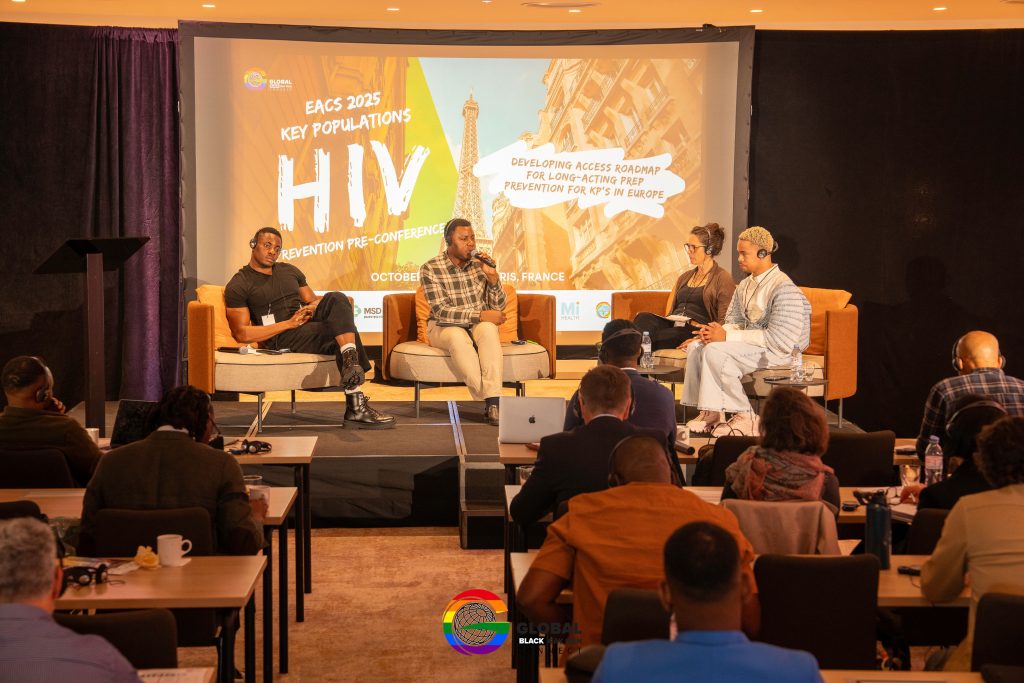
In an informal gathering in Paris last month, health care activists convened to strategize ways of promoting Pre-exposure Prophylaxis (PrEP) within LGBT+ communities of African descent. This initiative comes in response to alarming increases in HIV rates across Europe, particularly affecting marginalized communities. The pre-conference, organized by Global Black Gay Men Connect and the Africa Advocacy Foundation, aimed to craft comprehensive access pathways for long-acting PrEP medication aimed at those at high risk of HIV infection.
PrEP is a preventive medication allowed for those who are HIV-negative, significantly reducing the risk of infection when taken consistently. The challenge in Europe persists, especially as funding for health initiatives is dwindling, notably from prominent international sources, leaving communities to fight an uphill battle against systemic issues such as anti-Black racism and rising xenophobia.
According to AIDSmap, Europe is unique among global regions in experiencing an increase in HIV-related deaths, with figures indicating a third rise since 2010. This unsettling trend galvanized stakeholders to engage directly with the communities most affected.
The pre-conference served as a platform for dialogues leading to the 20th European AIDS Conference. Participants included leaders from various organizations dedicated to tackling HIV in their respective regions, each bringing their unique perspectives on the challenges and opportunities within their communities.
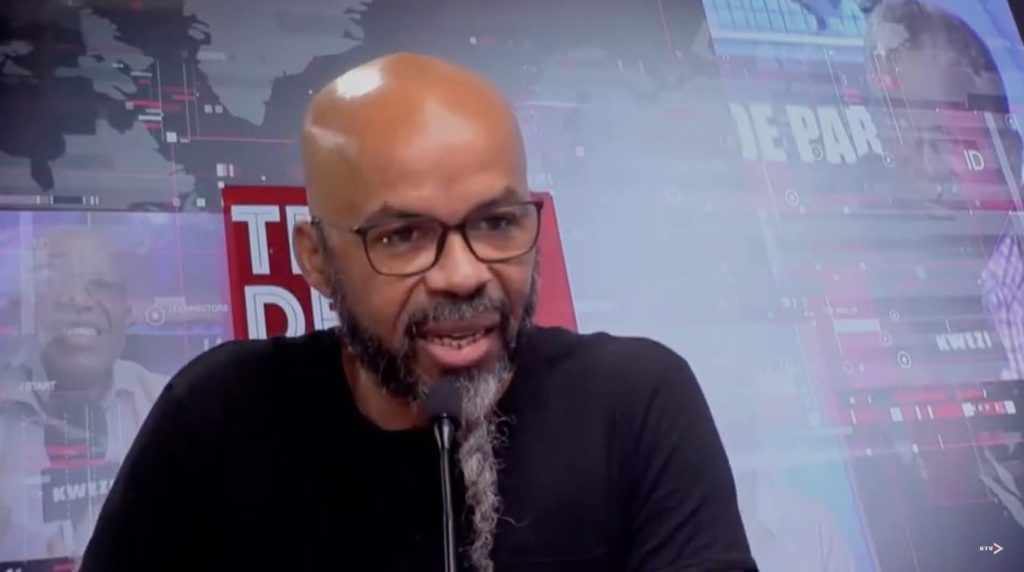
A working meeting on HIV that fills a gap
Erasing 76 Crimes: What do you think of this day dedicated to PrEP provision among LGBT+ communities of African descent in Europe?
Moncef Mouhoudhoire, leader of Nariké M’sada in Mayotte:
This initiative is particularly relevant. It addresses an angle that is often overlooked in public health policies: PrEP and targeted prevention for LGBT+ communities of African descent, which are at the intersection of several racial, social, and health vulnerabilities. These communities are often underrepresented in European programs, even though they have higher HIV prevalence rates and less access to prevention.
Organizing a day dedicated to these communities by the communities themselves means recognizing their specific needs and lived expertise, and giving them a voice in co-constructing appropriate strategies. It is a participatory public health approach that values grassroots experience and could promote the uptake of prevention measures such as PrEP.
Strategically, the approach is also valuable because it promotes transnational cooperation between European actors. It allows community experiences, particularly those from overseas territories and the diaspora, to be combined with institutional and hospital approaches in Europe.
Finally, the initiative has a strong symbolic dimension: it refocuses sexual health on equity, representativeness, and cultural diversity, aligning with the guidelines of the national sexual health strategy (2017-2030) and the European action plan against HIV/AIDS, STIs, and viral hepatitis.
George Freeman Browne of the LGBT+ organization Pride Equality:
Browne views the pre-conference as “an important platform for increasing visibility, raising awareness, and promoting inclusion in the global goal of zero new HIV infections by 2030, as defined in UNAIDS’ global AIDS strategy (2021-2026) and aligned with the United Nations’ Sustainable Development Goals (SDG 3 – Good Health and Well-being).”
Both speakers emphasized the meeting’s scientific relevance and its socio-political necessity to invigorate the fight against HIV in their communities.

Strategies from local LGBT+ communities
Erasing 76 Crimes: Did this pre-conference resonate with your experiences and the specificities of your areas of intervention?
Moncef Mouhoudhoire (Nariké M’sada):
Absolutely. This pre-conference recognized the specific needs of our target audiences, highlighting African and Afro-Caribbean populations, which resonates with realities we observe in Mayotte.
Local organizations were acknowledged, bringing our field experience into discussions, which is crucial given the unique health and cultural challenges we face on the island.
The participatory approach demonstrated through the pre-conference reflects the necessity of co-constructing prevention strategies, emphasizing that these should not be imposed from above.
George Freeman Browne (Pride Equality): It was profoundly engaging. This gathering amplified often-unheard voices of African immigrants living in Europe. In cities like Barcelona, health services exist, but they lack specific intercultural programs addressing Black LGBT+ individuals from immigrant backgrounds.
Through community-driven initiatives, Pride Equality strives to bridge these gaps, extending education and compassion toward these overlooked communities.
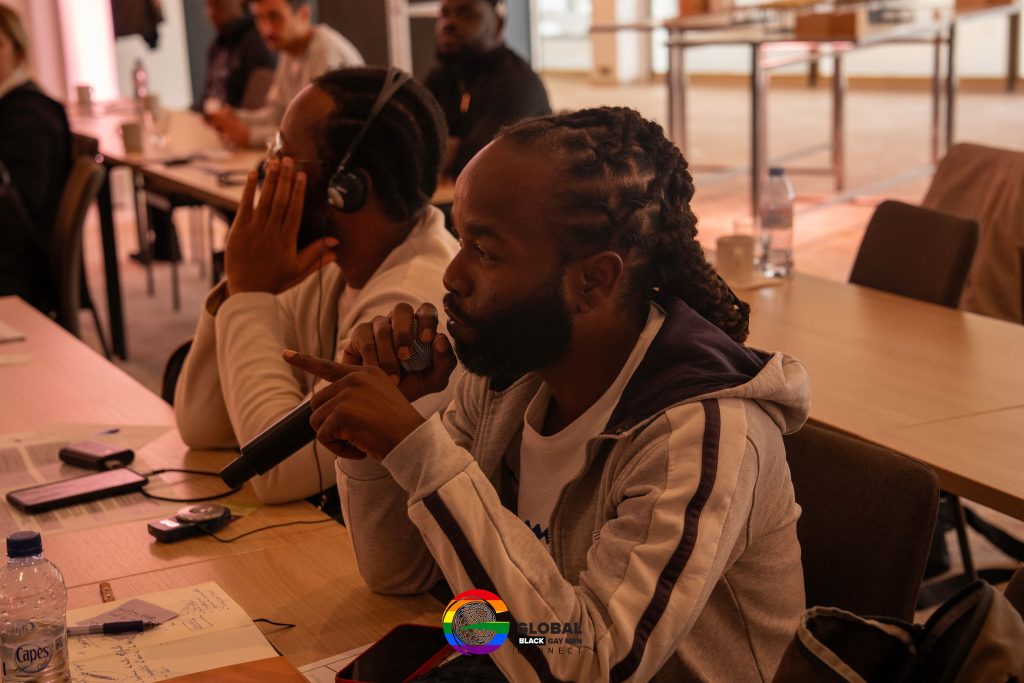
Overcoming stigmas of using PrEP in the LGBT+ community
Erasing 76 Crimes: What are the implications of this conference for Safe 978, an organization fighting HIV in Saint Martin, on the French side of the island?
Gaël Grosol, president of Safe 978 in Saint Martin:
In Saint Martin, discussions often revolve around implementing French laws in local contexts without adequately addressing how the majority Black population perceives new treatments like PrEP.
There’s a notable mistrust towards medicines among locals, which complicates conversations about PrEP usage. Often when we discuss the pill form of PrEP, people feel it’s irrelevant to them—even amid ongoing transmission chains, especially among men who occasionally engage in sexual activity without identifying as gay.
This underlines the need for reevaluating which populations are classified as “key populations” at risk of HIV infections, as we see new infections emerging in other demographic segments rather than in those traditionally considered at highest risk.
The pre-conference discussions highlighted how certain public health tools, including PrEP, are stigmatized and remain tied to specific populations. Expanding the narrative around these tools is pivotal to ending the HIV/AIDS epidemic.
Misconceptions abound in casual conversations, often labeling PrEP as associated only with those leading chaotic sexual lives, which is counterproductive. In reality, injectable PrEP offers a practical solution for travelers and individuals managing their health proactively.