


A Brotherly Guide to Chemsex, PnP, and HnH Safety for Black Gay Men
By Daniel Nkado
Introduction
As 2025 comes to a close and we look toward 2026, I’m reaching out to my fellow Black queer men—those of us who navigate late-night party culture. This isn’t a lecture, but a heartfelt letter, crafted with care and honesty. It addresses the complex, sometimes hazardous dynamics of chemsex spaces, particularly focusing on the practices known as PnP (party and play) and HnH (high and horny).
Understanding the Appeal of Chemsex
For many Black queer men, substance use often serves as a coping mechanism. The pressures of minority stress—stemming from stigma and discrimination—can lead to mental health challenges, making spaces that promise connection and relief enticing. Research has shown that approximately 37% of sexual minority adults report illicit drug use compared to 17% of heterosexual adults (Rosner et al., 2021). This disparity underscores the unique struggles faced by our community.
The HIV Disparity
The systemic barriers affecting Black gay and bisexual men are alarming. According to 2024 CDC data, they accounted for 26% of new HIV diagnoses among men who have sex with men (MSM), despite making up a smaller segment of the population. This staggering statistic emphasizes that the issue resides not in behavior, but in systemic failure.
Aggravating Factors
Black queer men often encounter compounded stresses in their lives, including:
- Exclusion in queer spaces: Feeling sidelined at gatherings leads to isolation.
- Microaggressions and shaming: These lived experiences heighten vulnerability.
- Fetishization: Being reduced to stereotypes creates trauma.
- Cultural dislocation: Feeling out of place in both queer and Black spaces fosters anxiety.
- Criminalization: In many regions, Black queer men face additional dangers due to societal hostility.
The Reality of Chemsex for Black Queer Men
Chemsex involves using drugs like crystal meth, mephedrone, and GHB/GBL to enhance sexual encounters. While these substances can temporarily boost confidence and euphoria, they come with alarming risks.
Hidden Risks in Chemsex Spaces
- Fetishization: Many Black men report experiencing degrading comments or racialized fantasies during encounters.
- Consent Challenges: The high levels of intoxication can obscure the ability to give or withdraw consent, enhancing vulnerability to assault.
Chemsex Risks to Watch in 2026
1. The Fentanyl Crisis
Fentanyl, a potent synthetic opioid, has contaminated many recreational drugs, leading to a significant risk of overdose. Black queer men engaging in chemsex face unique dangers, including a reluctance to call for emergency help because of mistrust in law enforcement (Johnson et al., 2022).

Fear of police involvement often causes dangerous delays in emergency calls when a Black man overdoses during chemsex.
2. GHB/GBL (“G”) and Its Risks
GHB is a depressant with a narrow dosing window, making it especially dangerous. In the wrong dosage, it can quickly turn from euphoria to unconsciousness, posing risks of sexual assault.
Recommendations:
- Avoid combinations of GHB with alcohol or benzodiazepines, which can heighten the risk of respiratory failure.
- Use a syringe to measure GHB, not a cap.
3. Crystal Meth and the “Crash”
Crystal meth amplifies dopamine in the brain, but leads to severe lows afterward. This comedown can provoke intense anxiety and even psychosis in users.
Research indicates that a significant number of users both fear judgment from traditional services and experience frequent overdoses due to poor analysis of dosing.
8 Harm Reduction Strategies for Black Queer Men
This section offers actionable steps for safer engagement in chemsex environments, grounded in mutual care and self-awareness.
1. Self-Reflection
Before diving into a night out, take a moment to:
- Assess your emotional and physical state.
- Consider your needs: Are you seeking connection, pleasure, or merely an escape?
2. Vetting Spaces
Understanding the environment is crucial:
- Observe how Black men are discussed in group chats.
- Trust your instincts—avoid spaces that feel unsafe.
3. Establish Boundaries
Set clear, non-negotiable boundaries ahead of time. Share these with your peers or the host to reinforce your decisions.
4. Use the “Lifeline” Protocol
Keep communication open with a trusted friend:
- Share your location.
- Set a check-in time to foster accountability.
5. Carry a Personal Harm Reduction Toolkit
Equip yourself with tools for emergencies:
- Fentanyl test strips: Verify substances before use.
- Naloxone (Narcan): Prepare for opioid overdoses.
- Condoms and PrEP: Essential for sexual health.
6. Start Low, Go Slow
If you choose to engage with these substances, take:
- Small initial doses and wait to gauge effects before using more, particularly with GHB.
7. Know the Recovery Position
If someone appears unresponsive but is breathing:
- Roll them to their side.
- Call for help if their breathing slows or stops.
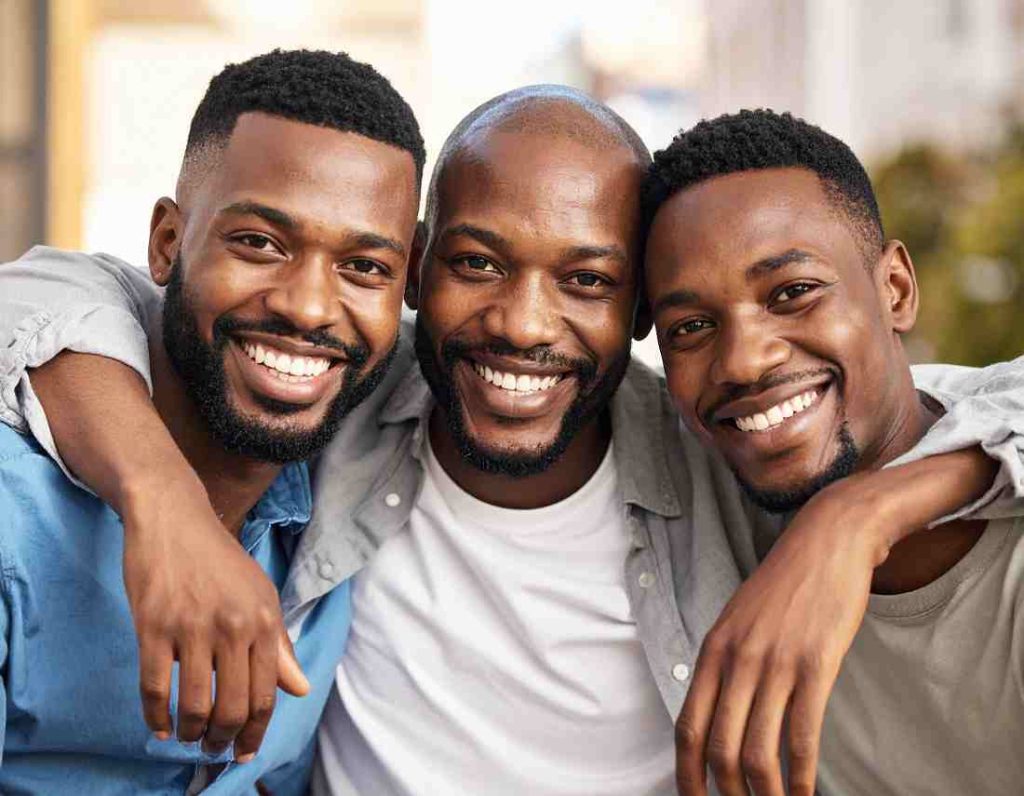
Brotherhood provides a stabilizing sanctuary for Black gay men when in high-risk spaces— a buffer against danger and isolation.
8. Plan for Aftercare
Plan for the days following a session. Consider:
- Foods and electrolytes to aid recovery.
- The importance of restful sleep.
- Having a support system in place for emotional challenges.
A Call to Unity
It’s crucial now, more than ever, to look out for each other. Engaging in chemsex environments requires a commitment to mutual protection. Our well-being is interconnected, strengthening us as a community.
Remember, one risky encounter doesn’t define you. Let’s navigate 2026 together, with care and solidarity.
About the Author
Daniel Nkado is a Nigerian writer, editor, and author, renowned for founding DNB Stories Africa, a digital platform committed to sharing Black stories, lifestyle, and queer culture.
References
(Full list of references available in the original article.)


