Making American Men Healthy Again: A Public Health Initiative Under Admiral Brian Christine
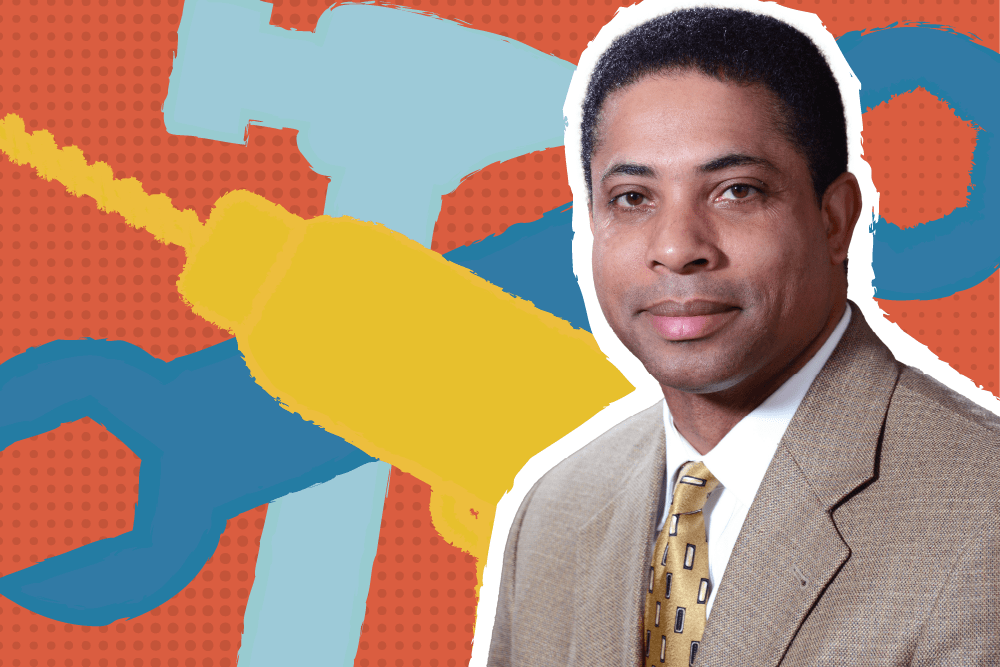
EXCLUSIVE — Assistant Secretary for Health Admiral Brian Christine has articulated a bold vision for improving men’s health across the United States. With a background in urology and a career devoted primarily to men’s health in Alabama, Christine’s recent swearing-in celebrates a pivotal moment where he aims to take significant strides towards addressing critical issues facing American men, from fertility to mental health.
A Focus on Men’s Health
In an exclusive interview with the Washington Examiner, Christine expressed his strong belief in the necessity of a dedicated focus on men’s health. This initiative aligns with Secretary Robert F. Kennedy Jr.’s broader agenda, “Make America Healthy Again,” which emphasizes the importance of both men and women being physically strong.
Christine stressed, “We have a president who believes in strong, healthy men and strong, healthy women, of course.” This philosophy not only reflects a commitment to gender equity in health but also highlights the urgent need to address specific health challenges faced by men.
Leadership and Scope of Responsibility
As the assistant secretary for health, Christine oversees the U.S. Public Health Service Commissioned Corps, a group of healthcare professionals dedicated to serving various federal departments, including the military. His recent elevation to four-star admiral symbolizes a commitment to comprehensive health strategies that tackle disparities in men’s health.
One of Christine’s initial priorities is improving male fertility—a topic that has garnered national attention as the United States grapples with declining birth rates. By addressing the relationship between male fertility and testosterone levels, he aims to pivot public health strategies toward a more scientifically-backed understanding of men’s reproductive health.
Understanding the Decline in Fertility and Health Metrics
Christine’s recent efforts included co-chairing a panel on hormone replacement therapy for men, identifying a concerning trend where testosterone rates and sperm counts are on the decline. “We have to figure out why testosterone rates and sperm rates are falling because they’re linked to each other,” he noted, emphasizing the potential impact of environmental toxins and lifestyle factors.
Deputy HHS Secretary Jim O’Neill has reinforced the urgency of this initiative, outlining the generational challenges posed by chronically low birth rates. He remarked, “If we want another baby boom in this country, and we do, we need to move America further.”
Addressing Mental Health Concerns
Beyond reproductive health, Admiral Christine is also set to prioritize men’s mental health, recognizing that issues such as depression and suicide disproportionately affect men. The statistics are sobering: while depression rates between genders may be similar, men are four times more likely to commit suicide, constituting over 80% of annual suicides in the U.S.
Christine emphasized, “We need men to be strong men. We need women to be strong women. Those two things aren’t the same.” His approach calls for a parallel focus on men’s unmet health needs, aligning with broader public health objectives.
Balancing Gender Health Initiatives
While some critics raise concerns that focusing on men’s health could detract from advancements in women’s health, Christine argues that both areas deserve equal attention. He acknowledged the significant progress made in women’s health but underscored that men face unique challenges that require targeted strategies.
“Of the 10 major killers, 9 are led by men, not women. We’ve done amazing things with women’s health, and I’m not suggesting we back away from it. We need a parallel track of men’s health, because men have unmet needs,” he stated.
The Landscape of Men’s Health
Statistics reveal a startling reality: men in the United States live, on average, six years shorter than women. Male life expectancy is pegged at 73 years, compared to 79 for women. Additionally, behavioral health issues such as substance abuse also affect men disproportionately, with a threefold higher mortality rate from opioid overdoses compared to women.
These alarming disparities highlight the need for tailored public health initiatives that address not just physical health but also mental well-being.
Policy Changes and Forward Movements
Admiral Christine’s leadership marks a significant shift from his predecessor, Dr. Rachel Levine, who focused on advancing transgender medicine. Christine’s approach aims to provide transparency and adhere to what his team describes as “gold-standard science,” a departure from previous administrations.
Christine voiced a commitment to honesty in public health messaging, stating, “We’re not going to lie to the American people. We’re not going to hide data. We’re not going to do things for a political, socially warped agenda.”
With such a focused agenda on men’s health, Christine and his team are poised to make meaningful changes that could significantly alter the landscape of public health initiatives in America, potentially leading to improved overall health for men and their families.