

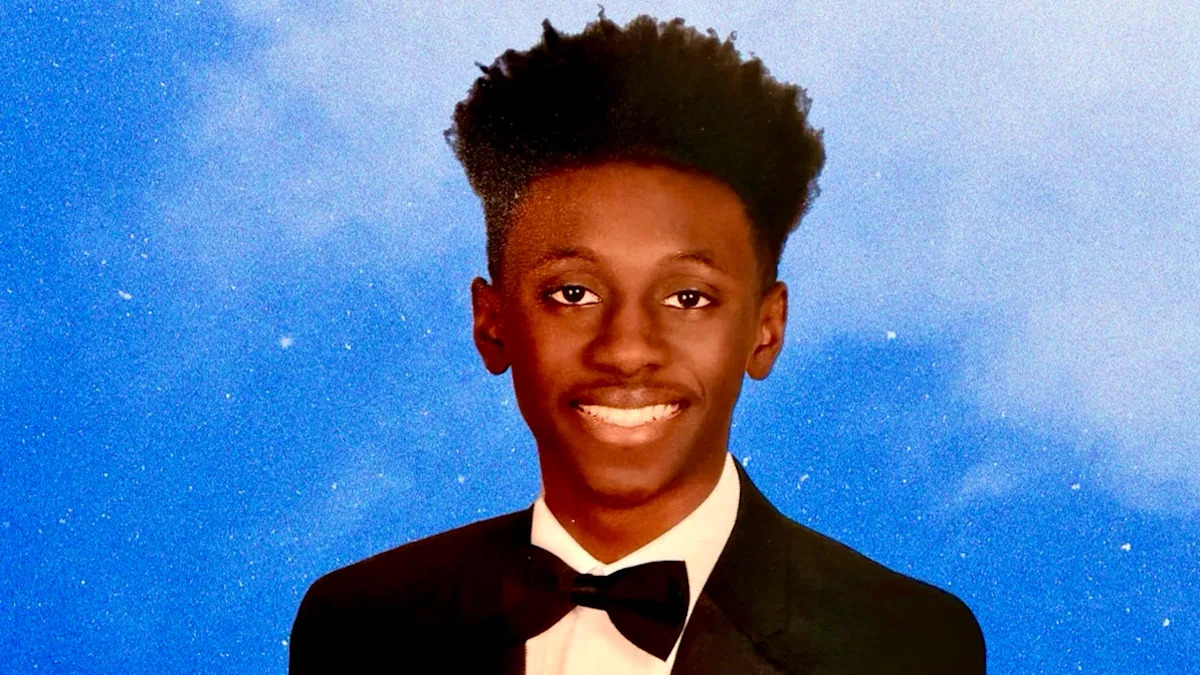
Remembering Donovan Metayer: A Life Marked by Tragedy and Hope
Overview of the Tragic Incident
On Valentine’s Day 2018, the peaceful environment of Marjory Stoneman Douglas High School in Parkland, Florida, was shattered when a gunman opened fire, claiming the lives of 17 people. Among the students caught in the terror was Donovan Metayer, a dedicated senior who had dreams and aspirations typical for someone his age. Little did anyone know that the tragic event would leave indelible scars, not just on the victims but on the survivors as well.
A Radiant Young Soul
Described by family and friends as a “radiant” child, Donovan brought joy and laughter to those around him. His academic brilliance was evident from an early age, coupled with a sense of humor that could light up any room. Those who knew him fondly remember not only his intelligence but also the warmth he exuded, making it all the more heartbreaking to see how he struggled in the aftermath of the shooting.
The Lingering Effects of Trauma
In the years following the traumatic shooting, Metayer faced a cascade of mental health challenges. Diagnosed with schizophrenia, he experienced episodes that were exacerbated by the trauma of the day that changed everything. For many young people, the transition from high school to college is a natural progression filled with hope and excitement. However, for Donovan, the cloud of gun violence and its relentless grip on mental health overshadowed his dreams, leading to multiple hospitalizations for suicidal ideation.
The Journey Towards Healing
Though beset by mental health difficulties, Donovan sought help. He began to make significant strides with the support of a private psychiatrist and the Henderson Clinic. During this time, he worked at Office Depot, where he not only earned a promotion but also an IT certificate—a testament to his resilience and determination to overcome his challenges. His journey reflects a broader narrative often shared among Black boys across America, where societal pressures around masculinity and emotions can create barriers to seeking help.
A Heartbreaking Turn of Events
Just as Donovan seemed to be stabilizing, tragedy struck again. He learned that his Risk Protective Order—a legal measure initially aimed at restricting his access to firearms—had lapsed. This lapse in protection allowed him to purchase a gun from a local shop. Within a week, Donovan tragically took his own life, leaving his family and community in profound sorrow.
Family’s Call to Action
In a poignant statement shared on a GoFundMe page created in his honor, Donovan’s family emphasized the urgency of addressing the mental health crisis plaguing today’s youth. They expressed their heartbreak while also advocating for change, underscoring the enduring trauma that gun violence leaves in its wake. “As we grieve his loss, we are breaking the code of silence in his memory,” they wrote. The family is also raising funds to support a cause close to their hearts: empowering the Henderson Clinic to provide healthcare and resources for those struggling with behavioral health issues across Florida.
The Broader Implications
Donovan Metayer’s story serves as a poignant reminder of the long-lasting effects of trauma and mental health challenges. It sheds light on the necessity for systemic change in how mental health resources are perceived and accessed, particularly for marginalized communities who face additional stigmas. As conversations around gun violence and mental health continue to gain momentum, the hope is for a future where fewer lives are overshadowed by such tragedies.
Seeking Help
If you or someone you know is in need of support, professional help is available. You can contact or text 988, or chat at 988lifeline.org for assistance. This vital resource offers 24/7 support for those grappling with mental health challenges, emotional distress, or substance use issues.
An Ongoing Conversation
The legacy of Donovan Metayer lives on through his family’s commitment to breaking the silence around mental health issues and advocating for community support. In doing so, they encourage an ongoing conversation about trauma, resilience, and the importance of mental health care for all.


