Kwanzaa is a week-long celebration observed annually from December 26 to January 1, honoring African-American culture, heritage, and values. This vibrant festival, founded in 1966 by Dr. Maulana Karenga—a professor and activist—serves as a means for African Americans to reconnect with their roots and celebrate a shared identity. The name “Kwanzaa” derives from the Swahili phrase “matunda ya kwanza,” meaning “first fruits,” which symbolizes the harvest and the importance of community in nurturing and celebrating successes.
“First fruits” celebrations have deep historical roots, appearing in biblical texts and extending back to ancient civilizations such as Egypt and Nubia. These ceremonies historically signify gratitude for the harvest, fostering a sense of community among participants. They echo the rhythms of agricultural life, uniting families and communities in appreciation for nature’s abundance and the fruits of their collective hard work.
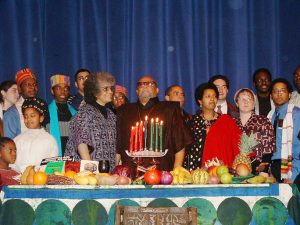
Each year, Kwanzaa is anchored by its annual message centered around unity and collective responsibility. The holiday presents an opportunity for reflection on the strength of family and community bonds, encouraging participants to reaffirm their commitment to both personal and collective growth. This sense of purpose is facilitated through seven guiding principles known as the Nguzo Saba, celebrated one each day throughout the Kwanzaa week.
The seven principles are as follows:
- Umoja (Unity) – Striving for and maintaining unity within the family, community, and nation.
- Kujichagulia (Self-Determination) – Defining and naming ourselves while making choices that shape our lives.
- Ujima (Collective Work and Responsibility) – Building and maintaining our communities and collaborating to solve shared problems.
- Ujamaa (Cooperative Economics) – Supporting and growing our own businesses, promoting economic development within the community.
- Nia (Purpose) – Committing to collective efforts that benefit the community and future generations.
- Kuumba (Creativity) – Embracing creativity to leave a legacy of beauty and excellence for those who follow.
- Imani (Faith) – Holding a steadfast belief in our people, families, leaders, and the righteousness of our struggles.
Kwanzaa acts as a powerful reminder of community’s crucial role and the cultural richness embedded within African-American heritage. It is a time for reflection, celebration, and reacquainting oneself with the principles that promote strength and unity within society. As families gather to light candles on the Kinara, share meals, and participate in cultural activities, they not only engage in a centuries-old tradition but also breathe life into the aspirations and resilience of their collective identity.