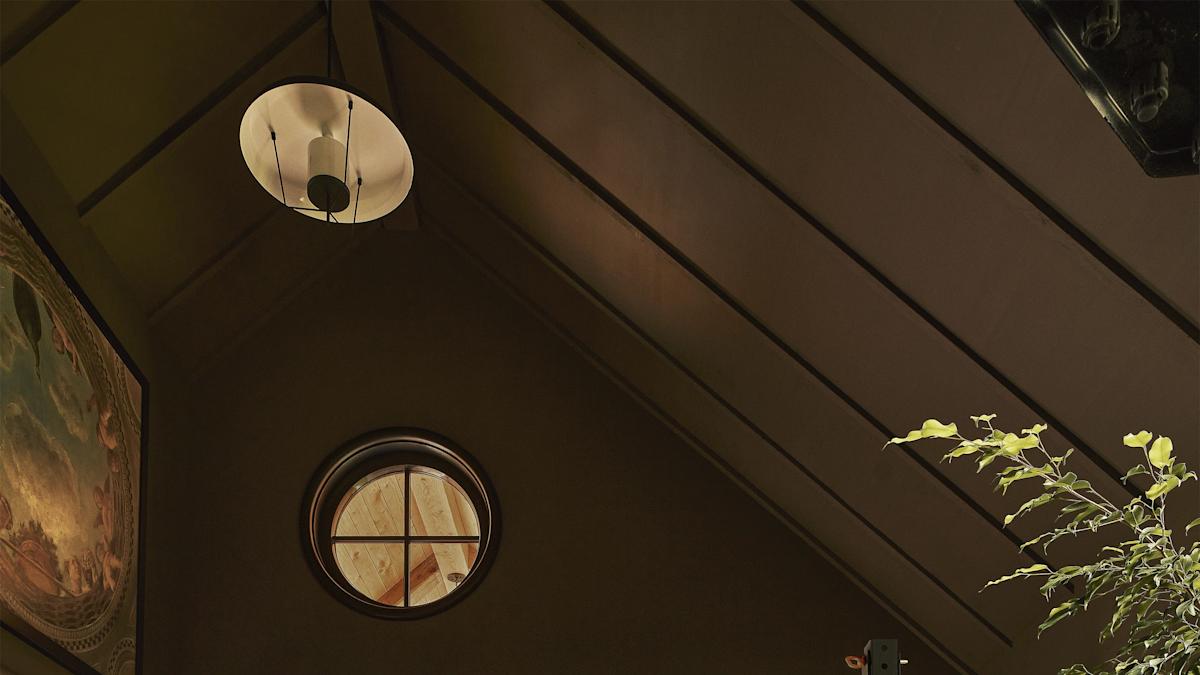
Wellness Within Your Walls: Designing for a Healthier Home
Wellness has shifted from a distant lifestyle aspiration to an integral part of our everyday lives, embedding itself deeply within our homes. As we spend more time indoors, our living environments have become a canvas for our health, comfort, and overall well-being. This article delves into how thoughtful design can elevate your space into a sanctuary of wellness, integrating beauty and functionality seamlessly.
The Rise of Home Wellness
Gone are the days when the concept of wellness was confined to gyms and spas; now, it permeates our bedrooms, kitchens, and even our backyards. Homeowners are increasingly recognizing that a well-designed space can significantly influence their physical and mental health. With this awareness comes the desire to create sanctuaries that promote relaxation, recovery, and rejuvenation right where we live.
Recovery Zones vs. Traditional Home Gyms
Recent insights from fitness experts suggest a fascinating trend: recovery zones may prove more valuable than traditional home gyms. Instead of solely focusing on workout space, many are incorporating areas designed for relaxation and recovery, such as meditation corners, saunas, or even cozy reading nooks. These spaces offer an essential counterbalance to the physical exertion, helping to create an environment that nurtures both body and mind.
Invisible Wellness: A Trending Concept
As the paradigm of wellness continues to evolve, a new trend called “invisible wellness” is gaining traction among designers. This concept embraces the idea that wellness should not be overtly obvious in design but instead subtly integrated through smart choices. Think of sound-absorbing materials, air purification systems, and lighting designed to mimic natural daylight. These elements enhance well-being without screaming for attention, allowing for a harmonious living space that naturally supports health.
Designing Calming Spaces
Have you ever stepped into a room and immediately felt at ease? This sense of calm is often the result of thoughtful design choices. Designers suggest focusing on color palettes, furniture arrangement, and natural light to create tranquil environments. Soft neutrals, natural textures, and indoor plants can significantly contribute to a feeling of serenity. Here’s an expert tip: consider using scents, like essential oil diffusers, to further engage the senses and foster relaxation.
Enhancing Sleep Quality
Sleep is a cornerstone of wellness, and a well-designed bedroom can play a crucial role in improving sleep quality. Experts recommend incorporating soft bedding, blackout curtains, and calming color schemes to create a sleep-conducive atmosphere. Additionally, smart home technology can control lighting and temperature, allowing for a personalized sleeping environment. The investment in a high-quality mattress and adjustable pillows may also greatly benefit those who struggle with sleep issues.
Home Gyms That Inspire Movement
For fitness enthusiasts, designing a home gym is a thrilling opportunity to create a personal space that motivates and inspires. Interior designers emphasize the importance of aesthetics in these spaces. Incorporating mirrors, plants, and vibrant colors can transform an ordinary workout area into an energizing environment. Moreover, versatile equipment that complements the room’s style—think sleek exercise bikes or elegant yoga mats—can enhance the overall experience.
Spa-Like Bathrooms
Transforming your bathroom into a spa-like retreat is a powerful way to enhance wellness at home. Designers advise upgrading fixtures for improved functionality and aesthetics. Features such as rainfall showers, soaking tubs, and heated floors contribute to a wellness-centric bathing experience. Introducing natural materials like stone and wood can help create a harmonious atmosphere, while soothing lighting can enhance relaxation.
Wellness Yards: The Outdoor Oasis
Outside, the trend towards creating “wellness yards” is gaining momentum. These outdoor spaces are designed not just for aesthetic appeal but also for mental and physical well-being. Incorporating elements like herb gardens, meditation patios, and wellness-focused landscaping can foster a sense of peace and connection with nature. Such investments not only enhance quality of life but can also increase property value.
Culinary Health: Wellness in the Kitchen
The kitchen is rapidly becoming a key player in the wellness landscape. Homeowners are looking for ways to promote healthy eating through thoughtful design. This includes incorporating functional islands, efficient storage solutions for healthy ingredients, and layouts that encourage cooking and meal prep. Additionally, integrating technology, such as smart appliances that assist in nutrition tracking, can transform how we engage with food in our homes.
Creating Intentional Spaces
Ultimately, creating a wellness-oriented home is about intentionality. Every corner of your living space can contribute to your well-being, from the layout of your rooms to the items you choose to surround yourself with. By combining beautiful aesthetics with wellness principles, you can transform your home into a nurturing environment that supports your health journey every day.
In this evolving landscape, the convergence of design and wellness is not merely a trend; it is reshaping how we think about our living spaces. By embracing these concepts, we can cultivate homes that are not just beautiful, but also profoundly health-promoting.