


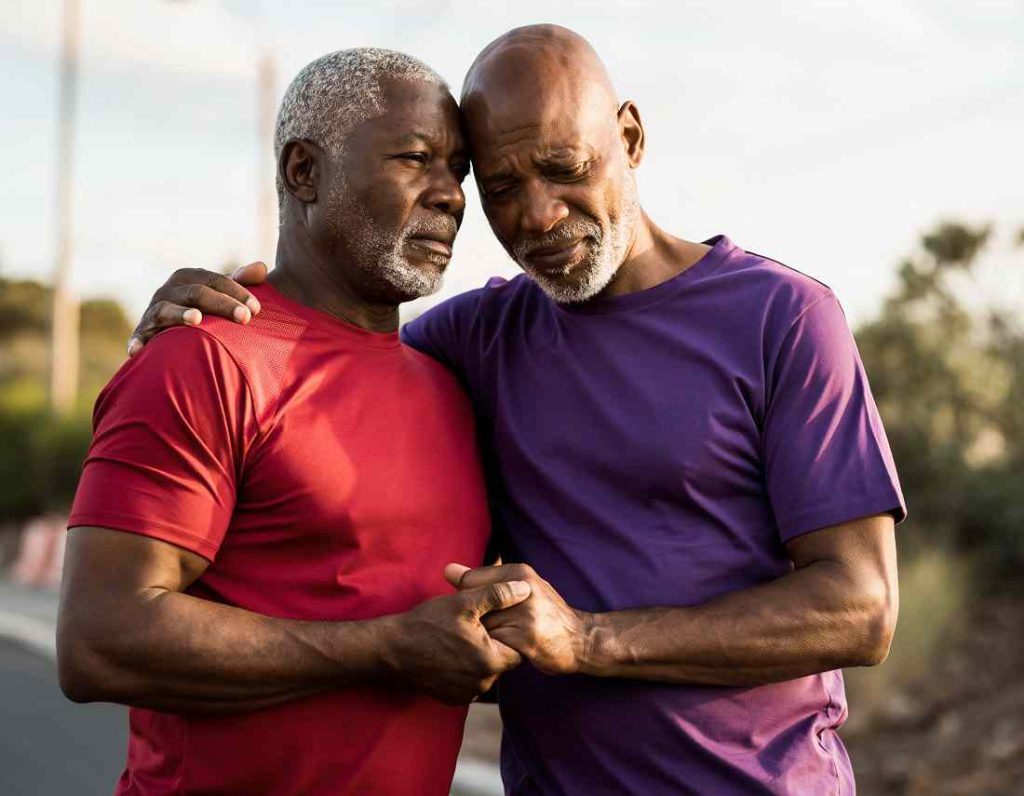
For many LGBTQ+ elders, particularly Black queer men, the twilight of life can feel like a bittersweet retreat—a return to shadows once escaped. After enduring a lifetime of adversity, they now face the prospect of re-closeting—hiding their identities once again as they navigate the fraught landscapes of elder care. This phenomenon is not merely a personal tragedy; it reflects deeper societal failings and systemic failures that warrant careful examination.
The Concept of Re-Closeting
Re-closeting describes the heartbreaking reality where LGBTQ+ elders are forced back into silence regarding their sexual orientation or gender identity. This often occurs in care settings—be it nursing homes, assisted living facilities, or family-run eldercare situations—where safety and acceptance can seem fleeting. The fear of discrimination or neglect compels many to mask their true selves, adopting a posture of invisibility as a mechanism for survival.
Cultural Variations in Re-Closeting
The experience of re-closeting varies significantly across cultures.
- In the UK, many find themselves retreating into silence in institutional settings. Having once lived openly, they are now apprehensive about facing potential discrimination from staff or residents.
- Conversely, in Nigeria, where elder care tends to be family-centric, the closet is a formative part of life for many. The demands of familial conformity can force LGBTQ+ individuals to remain silent throughout their lives, creating a scenario in which re-closeting is less an ‘event’ and more a condition of endurance.
In both scenarios, silence serves as a survival tactic—an unavoidable response to the potential hostility lurking around.
A UK Perspective: Legal Protections and Realities
The UK boasts a sturdy legal framework designed to protect LGBTQ+ individuals from discrimination in care settings. The Equality Act 2010 theoretically safeguards these individuals; yet, the realities tell a different tale. Many Black queer men express mistrust in the care systems, fearing that being open about their identity may lead to subpar treatment. This dilemma is compounded by a “triple jeopardy” of intersecting indignities: racism, homophobia, and cultural isolation coexist to elevate vulnerability within predominantly white and heteronormative care environments.
Personal Stories: Ed-Gar’s Experience
Take, for instance, the story of Ed-Gar, a 75-year-old Black gay man who recently relocated to a care home in Hackney after decades of life in Jamaica. Though he built a cherished network of chosen family, that support evaporated within the confines of institutional care. Faced with ignorance and misunderstanding from those around him, Ed-Gar resorted to hiding his identity, removing mementos of his past instead of celebrating them. His narrative encapsulates the tragic irony of entering a space meant for care and yet finding oneself further marginalized.
The Nigerian Context: Kinship and Surveillance
In Nigeria, elder care is intricately tied to family structures, making acceptance and understanding within familial contexts paramount. Thus, the re-closeting phenomenon often intersects with what can be termed “Kinship Control.” Here, same-sex relationships are heavily stigmatized and criminalized, so concealing one’s queer identity becomes a necessity to avoid not only social ostracism but outright abandonment by family members.
Duty-Driven Marriages
As a survival tactic, many queer men in Nigeria opt for “duty-driven marriages,” which may not reflect their true sexual orientation but serve as a form of social insurance for old age care. These marriages offer a façade of normality that could protect against rejection, but they also raise ethical issues about consent and emotional well-being. The psychological toll is profound for both parties involved: the gay man, forever hidden, and the woman, who may face future trauma upon discovering the truth.
Shared Challenges: Health and Identity
As health declines, shared vulnerabilities necessitate an urgent examination. The risk of dementia can profoundly impact identity, creating situations where individuals unintentionally reveal hidden aspects of their lives. In the UK, this might result in awkwardness, while in Nigeria, it might lead to severe repercussions, including abuse or perilous spiritual practices aimed at “cleansing” one’s identity.
Legal Erasure of Chosen Families
Both locations reflect similar systemic failures when it comes to recognizing chosen families. In the UK, failing to document relationships legally can lead to biological relatives making care decisions that may conflict with an individual’s wishes. In Nigeria, this can escalate to outright dispossession, with biological family members erasing all traces of a deceased’s queer identity.
The Diaspora Impact: Reverse Migration
Interestingly, some Black queer men living abroad—particularly in the UK—find themselves returning to Nigeria, often not out of desire but necessity. The ephemeral safety of familial networks back home can appear more comforting than navigating the complexities of often unwelcoming care facilities abroad. Their return represents a quest for dignity, opting for environments steeped in cultural familiarity over perceived alienation.
Policy Recommendations: Bridging the Gap
Addressing these multifaceted issues requires a concerted effort in policy reform and community mobilization.
For the UK:
-
LGBTQ+ Cultural Competency Training: Empower care staff with the necessary skills to handle diverse identities sensitively and appropriately.
-
Dementia-Specific Identity Protocols: Craft guidelines to affirm identity even in cognitive decline, safeguarding against misgendering and erasure.
-
Recognition of Chosen Family: Amend care policies to grant legal standing to partners and chosen families in healthcare decisions.
For Nigeria:
-
Decriminalization of Same-Sex Relationships: Make this a priority to alleviate fears surrounding elder care.
-
Confidential Healthcare Pathways: Establish discreet systems for LGBTQ+ elders to seek care without risk of exposure or harm.
-
Community-Based Care Initiatives: Support organizations that can cultivate informal care networks for LGBTQ+ elders.
Strategies for Aging Safely in Nigeria
While advocacy for systemic change is vital, individual strategies play a crucial role in promoting safety and dignity.
-
Secure Your Legal Documentation: Establish clear plans to protect your assets and decision-making rights, ensuring partners or chosen family are recognized.
-
Build a Trusted Support Network: Form connections with friends or community members for emotional and practical assistance.
-
Prioritize Health Confidentiality: Seek healthcare providers who respect your identity and can maintain your privacy.
-
Strengthen Financial Independence: Work towards financial security to reduce reliance on family systems, securing your autonomy.
-
Reduce Harm in Family Dynamics: If marriage to a woman feels obligatory, consider arrangements that minimize emotional harm for all involved.
-
Leverage Diaspora Connections: Maintain relationships with supportive friends and family abroad, offering potential relief and resources later in life.
-
Engage Advocacy and Safe Spaces: Connect with NGOs offering legal support, health referrals, and emotional assistance specifically tailored for LGBTQ+ individuals.
These steps — both communal and personal — can collectively support Black queer men in navigating their later years with dignity and safety. Fostering an inclusive approach towards elder care is an essential step in reshaping the narrative for queer individuals across different cultures.


