Search our comprehensive guide to Caribbean events in NYC for more local events — or submit your own!
The annual New York City African Diaspora International Film Festival (ADIFF-NY) is celebrating Women’s History Month with an engaging film series running from March 27-29 at Teachers College and The Forum at Columbia University. This year’s festival emphasizes African American narratives and provides a platform for filmmaker discussions, expanding its reach through a virtual festival accessible across the United States and Canada.
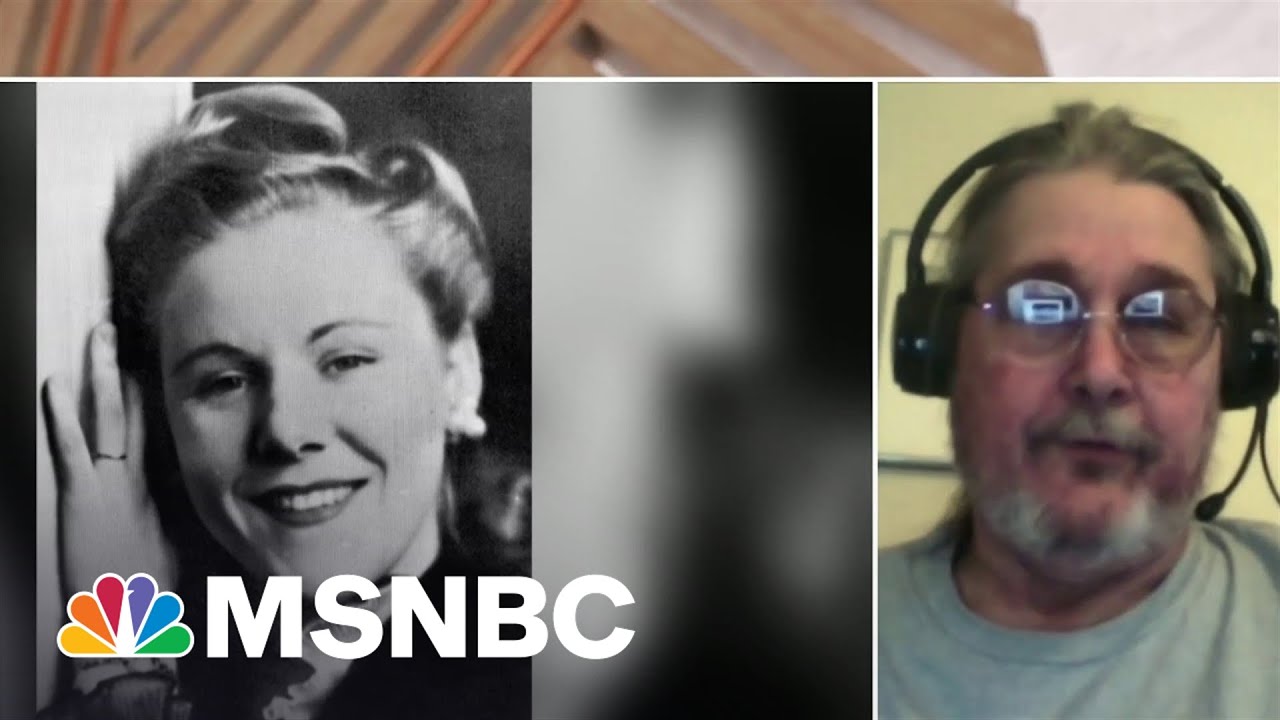
One of the spotlight films on March 28 is “A Life in Arts Through the Eyes of Dr. Leslie King,” a documentary that pays tribute to art historian and curator Dr. Leslie King Hammond. Known for championing artists of color in museums and academia, Dr. Hammond’s story is told through the lens of her impactful work. Following the screening, attendees will have the opportunity to engage in a Q&A with co-director Ben Baker-Lee.
Another highlight on March 29 is “She Island” (2025), a short experimental film directed by Sira Marissa Lewis and Raven Irabor that beautifully weaves Caribbean folklore and history. It follows the mystical adventure of a mother and daughter as they attempt to break a curse and reclaim their community’s cultural memory. This film was initially showcased at the festival last year and will now premiere alongside “Village Keeper” (2024) by Karen Chapman—complete with a joint Q&A after the screenings.
Closing the festival is “Seeds” (2026), directed by Brittany Shyne and shortlisted for the upcoming Academy Awards. This film provides an intimate portrayal of Black generational farmers fighting to preserve their land, legacy, and independence in rural America. It promises to be a thought-provoking closer to an enriching festival.
Irabor shared her journey into filmmaking with Caribbean Life last December. Growing up in the Bronx, surrounded by diverse cultures and artistic expressions, she attributes her foundation to her Nigerian father and Trinidadian mother. Frequent travels exposed her to various communities and creative traditions across Europe, Africa, and the Caribbean, further fueling her passion. “Dancing was a big part of my life,” she reflected, acknowledging how that artistic expression permeates her work.
Before discovering her calling in filmmaking, Irabor dabbled in broadcast communications and journalism. After learning about the Newhouse School of Public Communications at Syracuse University, she felt a natural inclination towards communication. Filmmaking became a space where all her interests intertwined, allowing her to combine her love for fashion, movement, culture, and visual storytelling into one art form.
Her film’s journey began in 2021, inspired by her understanding of Caribbean womanhood and the stories around her. A significant turning point occurred during a month-long visit to Trinidad with her grandmother, where she became fascinated by the folklore character LaDiabless. Typical portrayals cast her as an “evil” figure, but Irabor’s research led her to reinterpret LaDiabless as a protector of women, reframing her film’s narrative.
Recognizing the importance of oral storytelling within Caribbean culture, Irabor sought to honor that tradition by using the character of the Witty Old Bush Woman as the narrative device. “Working with the cast and crew in Trinidad was profound,” she shared. The predominantly female team, representing varied ages and backgrounds, created a sense of community and collaboration that enriched the storytelling process.
For Irabor, having her film showcased at ADIFF NYC signifies more than just exhibition; it’s about reaching an audience she deeply cares for. “Everything I create is for Caribbean people to see themselves in all their nuances and complexities,” she expressed. Her identity as a “Pan-African image maker and curator” drives her desire to unify and empower the African Diaspora through her work.
Irabor aims for “She Island” to inspire future Caribbean filmmakers and serve as a reference for their creative journeys. “In our research, we didn’t see many Caribbean films that embodied this style or approach, so we drew references from African, South American, and Black American films,” she explained, highlighting her aspirations for the film as a foundational work for others.
The essence of this film encapsulates the experiences of Caribbean women. Irabor wants it to resonate with women who cherish their culture and are navigating their identities. It speaks to young girls coming of age, figuring out their voices, and to older generations nurturing the next.
Irabor emphasizes two critical aspects during screenings: the Caribbean’s rich cultural tapestry—shaped by African, East Asian, Native, and European influences—and the vital roles Caribbean women play in preserving culture through lived experiences and oral traditions.
For additional information on the films premiering in person and virtually during this exciting weekend, as well as ticket purchasing details, visit: https://adiffwomenshistorymonth.eventive.org/welcome. To keep up with ADIFF-NY and their initiatives, follow them on Facebook, Twitter, or Instagram.