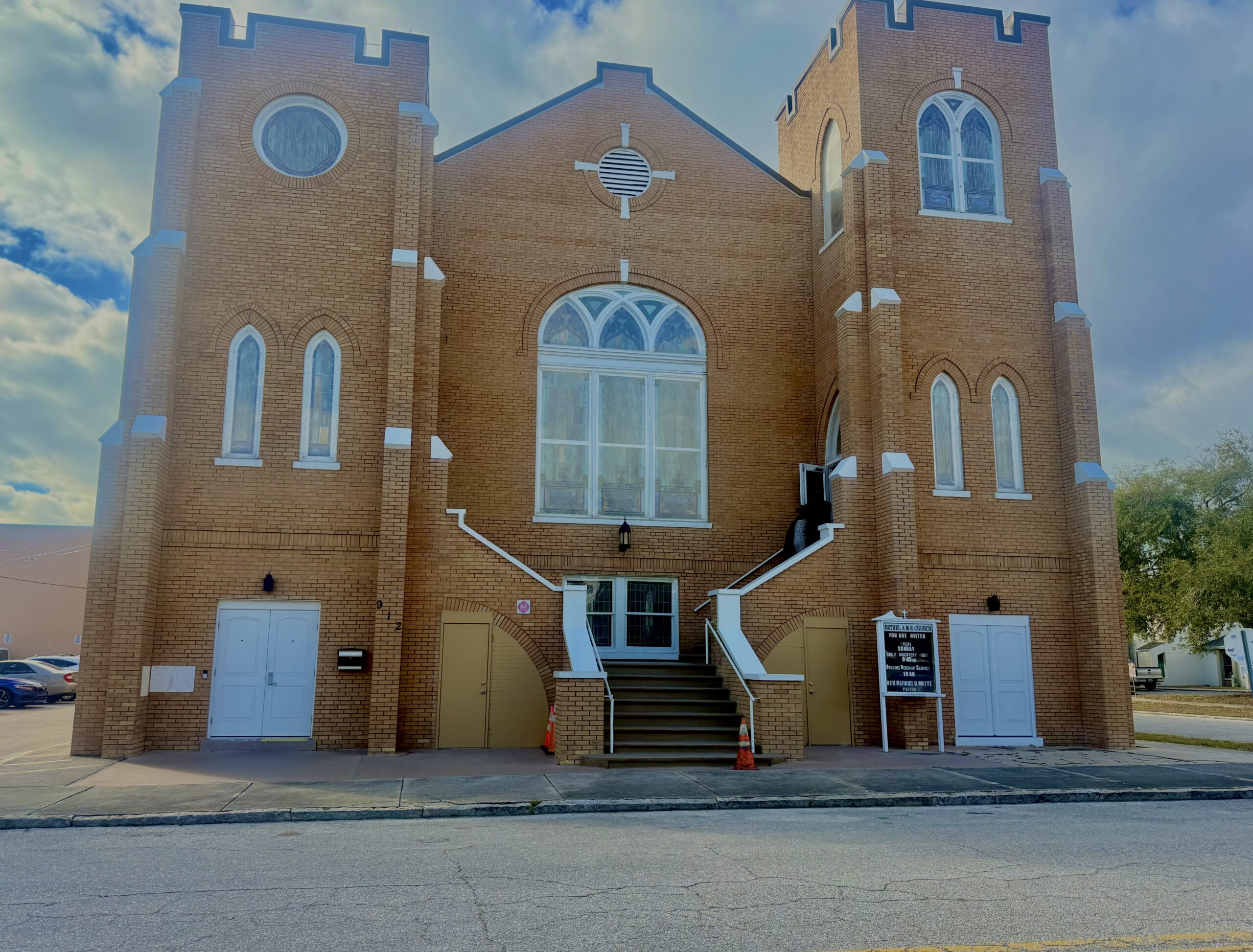
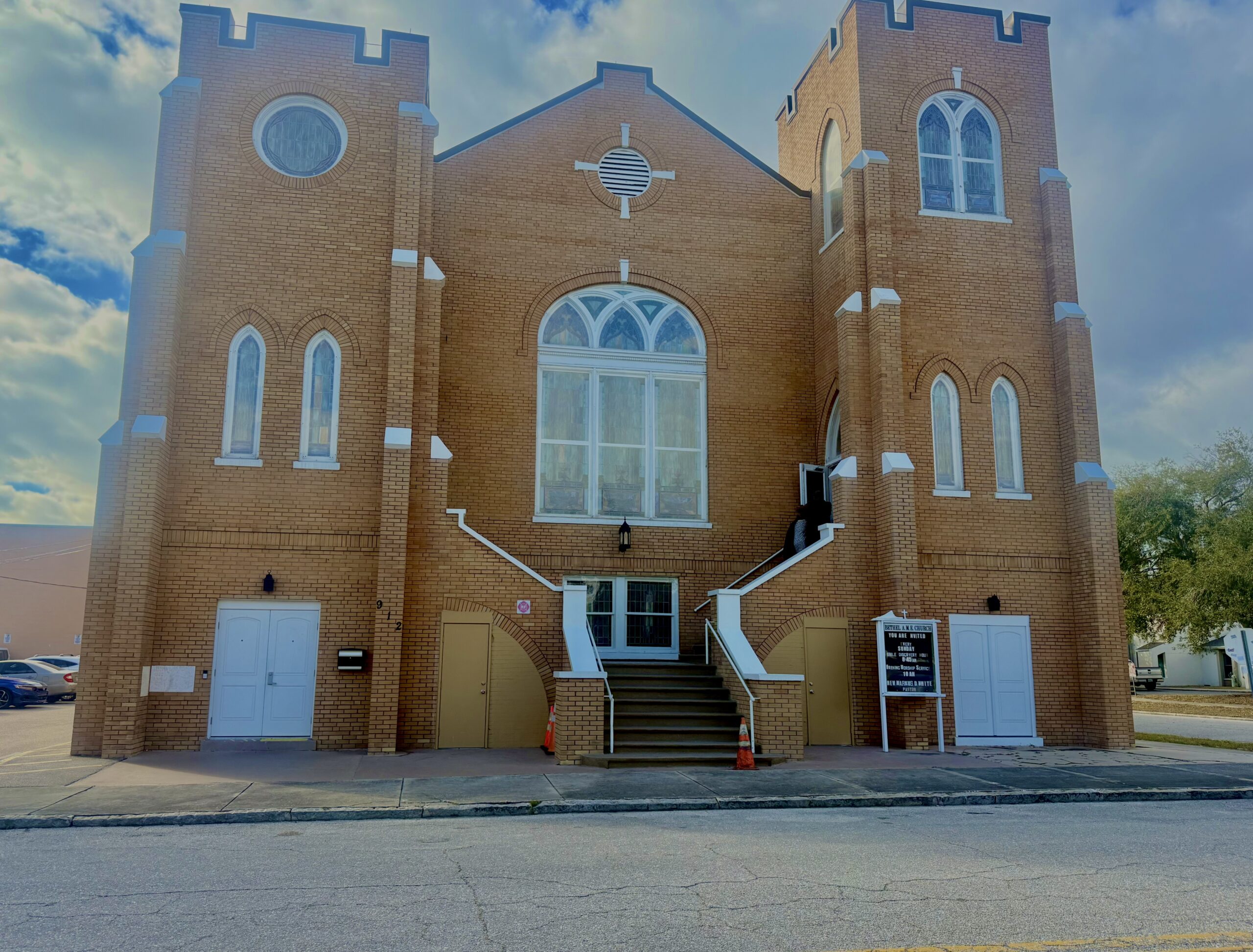
This month marks the 100th anniversary of Black History Month—an occasion that resonates with significance across communities. At the Historic Bethel African Methodist Episcopal Church in St. Petersburg, this milestone was celebrated with warmth and reflection during Sunday service.
As attendees entered the church, they were welcomed with open arms and a tangible sense of community. One of the first things they noticed was a magazine dedicated to honoring influential African American leaders, setting a tone of respect and acknowledgment for cultural contributions.
During the service, the reverend took a moment to engage the younger members of the congregation. Reading a book that highlighted aspects of African American culture, he reminded everyone of the importance of roots and history in shaping identity. The atmosphere was filled with anticipation as the reverend introduced DeMark Liggins, the guest speaker for the day.
Liggins, who serves as the National President and CEO of the Southern Christian Leadership Conference, shared insightful reflections on the essence of community activism. “We did not get here because we were upset and decided to just go out and cry and complain in public,” he stated. “We came together with patience and strategy. It’s important to remember that.” His words lingered in the air, a tribute to the historical struggles and triumphs of the African American community.
His speech emphasized the importance of honoring history, pointing out that Black History Month was conceived long before institutional acknowledgment. “Long before black folks got permission from the government, we have been celebrating our history,” he passionately said. “Carter G. Woodson didn’t create this holiday to divide our country; he did it because America already divided itself from the truth.” This powerful statement encapsulated the essence of Black History Month as a celebration of resilience, showcasing the rich tapestry of narratives that often go untold.
As the day progressed, Joy Dixon, president of the Committee Organizing Assistance and Community Help Foundation (COACH Foundation), also took to the mic. Her message was clear: “They say Black history, but we are a part of American history.” This perspective underlined the importance of recognizing African American contributions as integral to the broader narrative of the nation.
Dixon encouraged everyone to take a moment—whenever they can, whether during this month or throughout the year—to acknowledge the numerous achievements and innovations from Black Americans. “If you’re an artist, create your art. If you’re a musician, write a song. There is a way for you to make a difference,” she emphasized, reinforcing the notion that everyone has a role to play in contributing to this ongoing story of progress.
Both Liggins and Dixon communicated a sense of shared history, noting that Black History Month began as a mere week dedicated to recognizing achievements. Their reflections serve as a reminder of the progress made through collective efforts and the drive of individuals in advocating for recognition and celebration.