


The recent collaboration between the United States Conference of Catholic Bishops (USCCB) and the Symposium of Episcopal Conferences of Africa and Madagascar (SECAM) underscores a profound commitment to fostering solidarity amidst challenges faced by Catholic communities across the African continent. This gathering extended beyond mere logistics, diving into deeper humanitarian concerns amidst intertwined faith and mission.
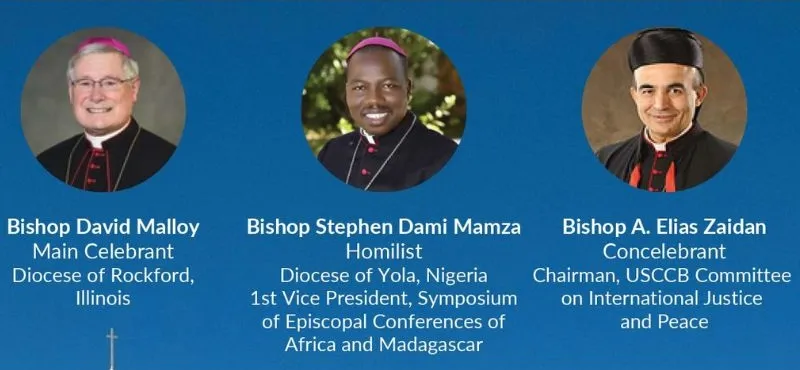 Credit: United States Conference of Catholic Bishops (USCCB)
In a significant joint statement issued on February 2, USCCB and SECAM officials expressed a renewed hope linked with SECAM’s 25-year pastoral roadmap. This vision is designed to steer the Church’s mission across Africa, emphasizing themes of reconciliation, peace, and sustainable development. The roadmap invites a collective effort to respond to socio-political crises and humanitarian challenges plaguing many African nations.
This reaffirmation of hope aligns intricately with the core principles of Catholic Social Teaching, positioning it as a guiding light for cooperation between the communities of faith in Africa and the United States. The leaders emphasized that such international assistance is pivotal for promoting human dignity and ensuring the safety and wellbeing of all.
(Story continues below)
 Members of SECAM. Credit: SECAM
Both bodies expressed a shared responsibility: the Church and the state, whether in the U.S. or Africa, must advocate for the inherent dignity of every individual while prioritizing the vulnerable. This collaborative effort indicates a commitment to addressing both moral and practical dimensions of human dignity, shedding light on the Church’s involvement in broader social justice issues.
“The prosperity of our peoples is intertwined; solidarity enhances our collective well-being,” stated the bishops, emphasizing that the fruits of cooperation transcend borders and benefit both communities. Their acknowledgment of the mutual enrichment produced by sharing resources and spiritual gifts frames a vision of profound interconnection.

In emphasizing the principle of subsidiarity, SECAM and USCCB officials advocated for empowering local communities to effectively care for their surroundings. They championed responsible stewardship as vital for enabling communities to utilize their inherent capacities, nurturing a sense of communal responsibility and mutual aid.
“We pray for bonds of fraternity, rooted in mutual respect and solidarity, distancing ourselves from paternalistic approaches,” the statement elaborated, believing that a relationship based on shared faith and mission is essential for genuine collaboration.
Moreover, the bishops highlighted the rich contributions that African Church leaders and diaspora communities bring to the American Church. They affirm, “The American Church is greatly enriched by the faith and examples set forth by the African saints and martyrs.” This acknowledgment challenges a one-sided discourse surrounding fraternity and solidarity in favor of a more inclusive narrative.
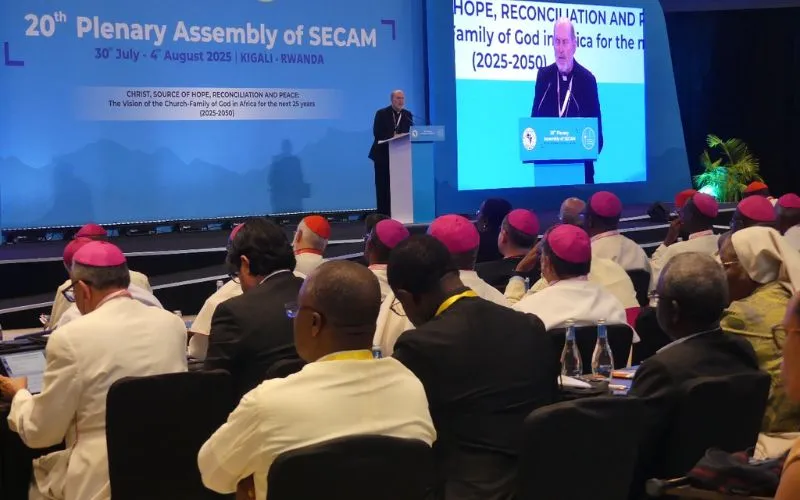 Archbishop Thomas Robert Zinkula, Chairperson of the USCCB Subcommittee on the Church in Africa. Credit: ACI Africa
The emphasis on the presence and contributions of African clergy within the American Church resonates deeply, highlighting that the faithful of the U.S. and Africa are reciprocal gifts to one another. Their voices call for impactful life-affirming U.S. support for Africa, rooted in thoughtful, equitable partnerships that respect the dignity of all involved.
In their final appeal, they implored, “May the Lord bless our peoples as we walk together as brothers and sisters in hope.” This call reflects a deep-rooted aspiration not merely for coexistence but for a thriving partnership built on shared values and aspirations.

Sabrine Amboka is a Kenyan journalist with a passion for Catholic church communication. She holds a bachelor’s degree in mass communication from St. Paul’s University in Kenya.


