During the tumultuous era of the Civil Rights Movement, the streets echoed with the determined voices of masses marching for justice, engaging in sit-ins, and boycotting stores that supported racial segregation. However, beyond the public demonstrations lies a deeper, more personal narrative of courage—stories of individuals challenging racism in quieter, yet profoundly transformative, ways.
The U.S. Civil Rights Trail serves as a powerful testament to this struggle, commemorating the relentless fight for equal rights that took place in the face of oppression. It highlights the bravery of ordinary citizens whose efforts and sacrifices were fundamental to the movement’s success, reminding us that every story matters in the tapestry of history.
Spanning over 130 significant sites across 14 states and Washington, D.C., the Civil Rights Trail includes museums, churches, schools, motels, and other crucial locations that witnessed protests and historical milestones. Launched in 2018, the trail continues to evolve, with new sites being added each year. For instance, Tennessee is home to 17 such sites, with recent additions like the Jefferson Street Sound Museum and the Museum of Christian and Gospel Music joining the ranks in Nashville.
Geographically located in a once-thriving district of Black businesses, the Jefferson Street Sound Museum showcases the rich tapestry of culture and activism that flourished in its vicinity. Historically significant institutions such as Fisk University and Tennessee State University lie nearby, along with the legacy of civil rights attorney Z. Alexander Looby. Lorenzo Washington, the museum’s founder and curator, emphasizes the importance of this recognition, stating, “To be included as a stop along the Civil Rights Trail helps to guarantee the histories, the stories, the music, the songs and the civil rights events that happened on and near historic Jefferson Street will not be forgotten.”
Another noteworthy addition, the Museum of Christian and Gospel Music, is dedicated to depicting the vital connection between gospel music and the Civil Rights Movement. Steve Gilreath, the museum’s executive director, articulates how the museum explores “yet another dimension of what fueled the movement and what helped keep it tied together during its most difficult challenges.” This intersection highlights the emotional and spiritual sustenance that music provided during a time of strife.
Mark Ezell, the commissioner of the Tennessee Department of Tourist Development and chair of the U.S. Civil Rights Trail, underscores Tennessee’s pivotal role in the Civil Rights Movement. “We are honored to be home to 17 sites along the Civil Rights Trail,” he notes, inviting visitors to explore places where the brave men and women fought for their civil rights. From the National Civil Rights Museum at the Lorraine Motel—the site of Dr. Martin Luther King Jr.’s assassination—to smaller yet significant locations like the Green McAdoo Cultural Center in Clinton, each site reveals stories that shaped this nation’s history.
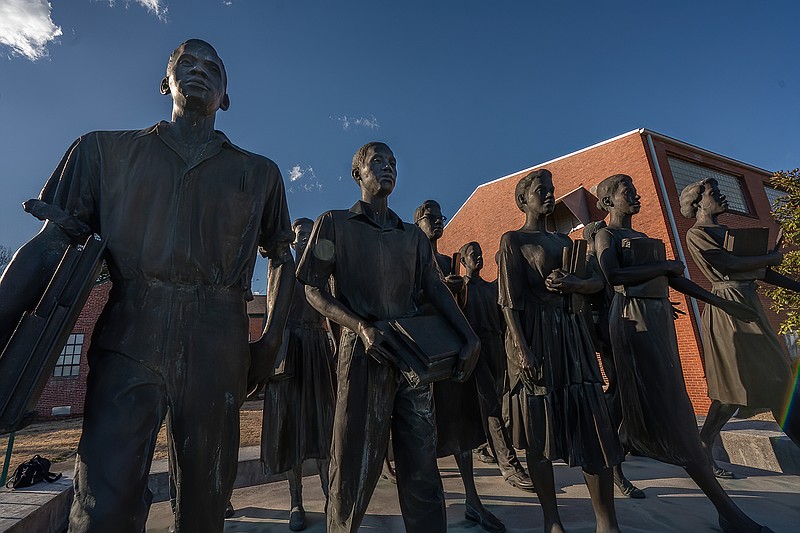
At the Green McAdoo Cultural Center, visitors are introduced to the “Clinton 12,” the courageous group of students who were the first to desegregate a high school in Tennessee. Meanwhile, at the Woolworth Theatre in Nashville, guests are invited to revisit the iconic location of lunch counter sit-ins, where John Lewis—an emblematic figure of the Movement—began his activism. Walking along historic Beale Street in Memphis transports travelers back to a time when music and civil rights intersected at every turn, making the fight for equality feel immediate and alive.
Washington emphasizes the strategic significance of the Jefferson Street Sound Museum, as it sits in an area known for its active participation in civil rights activities. The mural outside the museum enables visitors to engage with stories of civil rights leaders, their missions, and the profound impact they had on the movement.
Music has long been intertwined with the fight for civil rights: Aretha Franklin’s “Respect” and Marvin Gaye’s “What’s Going On” resonate as anthems of that struggle, performed in venues along Nashville’s historic Jefferson Street. Washington reflects on how pivotal these songs were, saying, “It is interesting to learn about the impact various songs had on the Civil Rights Movement.” While some activism thrived in the rhythm of soul, others found solace and strength in the gospel music that echoed through churches, reminding them of faith’s anchoring power during tumultuous times.
The Christian and Gospel Music Museum houses a wealth of artifacts reflecting the lives and careers of influential artists like Mahalia Jackson and Albertina Walker, shaping a deeper understanding of the cultural landscape during the movement. Gilreath explains, “These pave the way for an experience that allows visitors to learn, touch, try and dive more deeply into the music they love.” This space fosters connections between celebrated artists who shared common struggles and moments that forever changed the world.
The U.S. Civil Rights Trail aims to offer families, travelers, and educators an opportunity to visit and engage with history on a personal level. For more details about the significant sites and the stories of civil rights pioneers, exploring CivilRightsTrail.com serves as a gateway into a pivotal chapter of American history.
For further insights and updates, visit TennesseeLookout.com.