The Complex Reality of Afro-Venezuelans Amid U.S. Military Intervention
Overview
Afro-Venezuelans, both in Venezuela and the diaspora, express strong opposition to U.S. military intervention in their country. This resistance is rooted in a complex intertwining of the nation’s racial history, prevailing class divides, and the disproportionate impact of violence on predominantly Black coastal communities.
The Prelude to Conflict
The tension escalated dramatically for families like that of Christian Pich Ortiz, who experienced violent blasts in the early hours of a fateful morning. Residents in Miranda, along Venezuela’s central coast, awoke to chaos as military actions unfolded. Strikes against Nicolás Maduro’s administration began, fueling fear and uncertainty rather than the promised liberation. Ortiz and his family instinctively sought shelter, fearing the broader consequences of an escalating political climate influenced by U.S. threats.
“My family and I knew immediately what was happening,” Ortiz recalls, articulating a palpable sense of dread and foreboding that enveloped his community during such critical times.
A Racially Divided Response
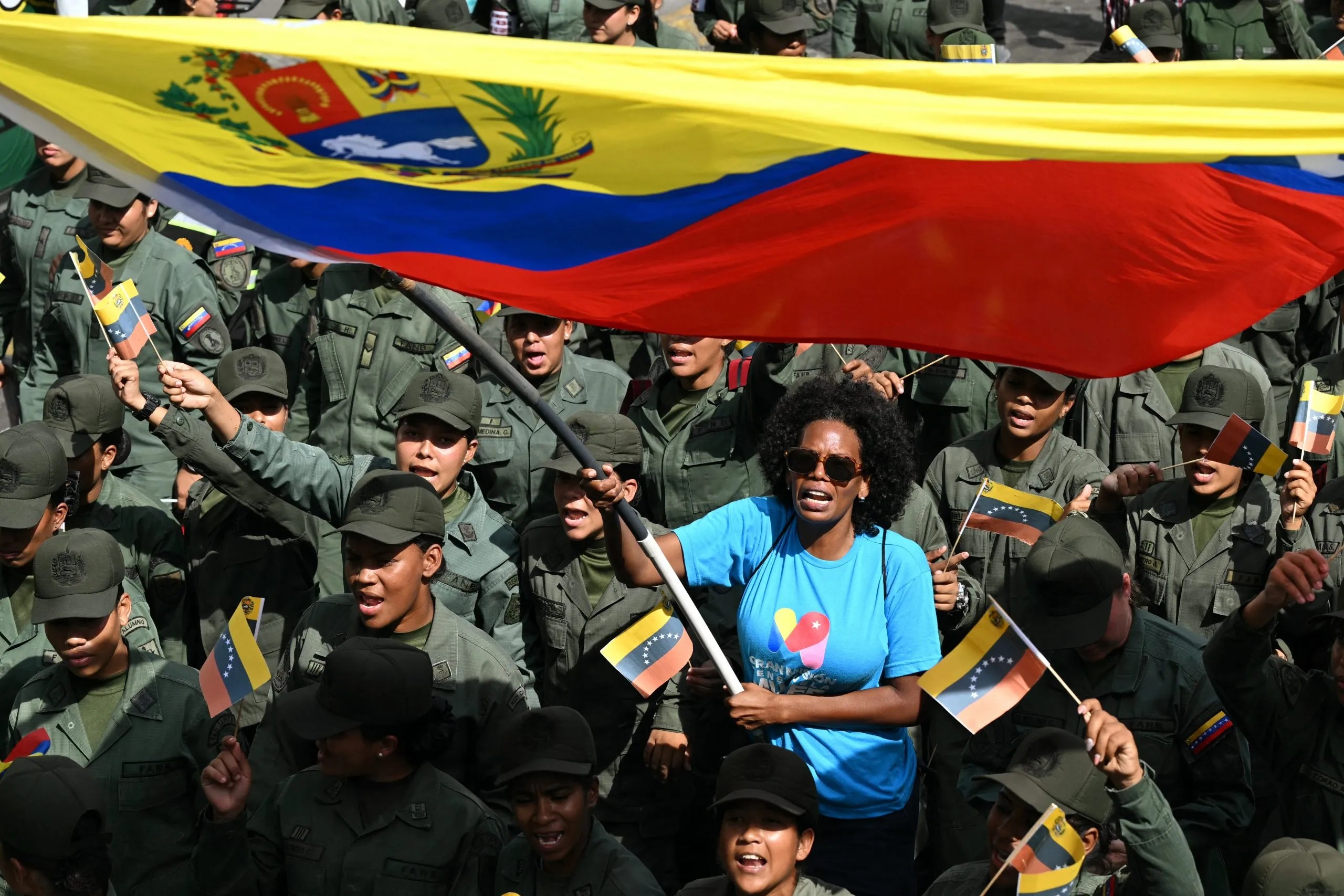
Venezuela’s socio-political landscape has long been shaped by racial dynamics. Afro-Venezuelans, who represent over half the nation’s population, inhabit a unique space. Their experiences diverge sharply from those of the lighter-skinned, wealthier exiles who celebrated U.S. intervention from abroad.
Diógenes Díaz, an Afro-Venezuelan historian, underscores the disparity: “Many in affluent communities overlook the suffering of Black and poor Venezuelans.” While some rejoice at signs of change, those who have traditionally endured systemic oppression grapple with immediate loss in the face of international interference.
The Historical Context of Resistance
Afro-Venezuelans harbor deep-rooted historical grievances that inform their distrust of foreign intervention. The colonial legacy in Venezuela fostered a lasting ideology of “mestizaje”—racial blending meant to obscure the reality of racism. Consequently, claims denying the existence of racial discrimination have perpetuated suffering in Afro-descendant communities.
The nostalgia for a time of relative governmental support during Hugo Chávez’s administration often contrasts sharply with today’s realities. As Chávez identified publicly with his African heritage, he implemented policies that aimed to redistribute resources to many marginalized communities, further complicating the contemporary narrative.
The Impact of Sanctions and Economic Decline
Economic conditions have rapidly deteriorated since the mid-2010s, with international sanctions exacerbating the plight of already vulnerable populations. In coastal regions where Afro-Venezuelans reside, the lack of resources has been particularly dire. Urban barrios, which are predominantly inhabited by people of African descent, face systemic neglect resulting in an increase in poverty and violence.
As Díaz articulates, “In these communities, support systems established under previous regimes have crumbled.” Extrajudicial killings, police violence, and state neglect have taken their toll, highlighting a grim reality compounded by external political pressures.
Diverging Perspectives in the Diaspora
Afro-Venezuelans in the United States hold nuanced views regarding intervention. Evelyne Laurent-Perrault, of Haitian descent, notes a clear division based on race and socioeconomic status among the Venezuelan diaspora. Lighter-skinned individuals who fled earlier have often aligned with anti-Maduro sentiments, while those from poorer backgrounds have a different understanding shaped by their lived experiences.
The connections between race, class, and political ideology manifest in striking ways. Many Afro-Venezuelans emphasize the need for solidarity and recognition of their struggles over simplistic narratives surrounding foreign military involvement. Their stories speak to broader patterns of imperialism that have historically affected Black and brown populations worldwide.
The Way Forward?
The complexity of the Afro-Venezuelan experience cannot be boiled down to mere support or opposition to proposed solutions. Many acknowledge the failures of the Maduro regime while simultaneously rejecting U.S. military intervention as a viable means to political change.
As the impacts of external pressure play out in real-time, Ortiz and others advocate for grassroots organizing and popular power: “We believe in our communities. What we need is solidarity, and we must stand united against a common threat.”
The desire for self-determination resonates deeply among those historically marginalized, providing a potent reminder that solutions must emerge from within rather than be imposed from outside.
The Continued Struggle
Amidst the turmoil, the endurance of Afro-Venezuelans shines through. Despite huge challenges—including displacement, poverty, and racial discrimination—their resolve to reclaim agency remains intact. Recognition of their history is critical, as it shapes present and future endeavors in navigating the complexities of Venezuelan identity and governance.
As discussions about intervention and sovereignty unfold, the narratives of Afro-Venezuelans must play a central role in breaking the cycle of oppression and misunderstanding. Their voices contain important truths about resilience, identity, and the urgency for a just future.