

The Criterion Collection’s Celebration of New Jack Cinema
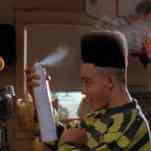
This January, The Criterion Collection—renowned for its meticulous restorations of cinematic masterpieces—made waves by releasing a very different kind of classic: the 1990 film House Party. Often dubbed a “hood classic,” this raunchy, screwball teen comedy and hip-hop musical marked a pivotal moment in cinema, showcasing African American talent both in front of and behind the camera.
The Filmmaking Duo Behind It All
Writer-director Reginald Hudlin, along with his producer brother Warrington, expanded their earlier short film from Hudlin’s senior thesis at Harvard into a full-length feature. House Party chronicles a wild night for a grounded teenager named Kid, played by Christopher Reid, as he sneaks out to a party hosted by his friend Play, portrayed by Christopher Martin. The film’s title characters, Kid and Play, were not just figments of storytelling; they were also the names of the hip-hop duo Reid and Martin, adding authenticity to their on-screen personas.
A Critical Moment for Black Comedies
While today’s media landscape is dotted with films made by and starring African Americans, this was far from the norm in 1990. At a time when rap music was starting to penetrate mainstream culture — exemplified by MC Hammer’s iconic hit “U Can’t Touch This” — films featuring Black talent remained scarce. With a modest budget of $2 million, House Party burst onto the scene, premiered at the Sundance Film Festival, and gained critical acclaim, earning awards for cinematography and filmmaking. Upon its theatrical release, it became a sleeper hit, grossing $26.4 million and securing its place in cinematic history.
The Dawn of New Jack Cinema
Much like Teddy Riley’s innovative fusion of hip-hop, R&B, and dance — known as new jack swing — House Party played a crucial role in what would later be termed New Jack Cinema. These films authentically portrayed hip-hop culture and the experiences of Black youth in a way that resonated with audiences. Hudlin himself remarked that House Party portrayed the prevailing realities of Black teenagers, with hip-hop as an integral part of their lives.
A Shift in Representation
Prior to House Party, films like Beat Street and Krush Groove featured hip-hop stories but often fell short in capturing authentic Black experiences. They were created by individuals who didn’t fully connect with the youth culture they tried to portray. In contrast, House Party succeeded by being a genuine reflection of Black life, filled with lively hip-hop soundtracks and relatable characters that connected with audiences on many levels.
The Ripple Effect in the 90s
The success of House Party opened the door for a wave of films headlined by rappers. Following its release, Hollywood saw a surge of projects featuring artists like Ice-T in New Jack City and Ice Cube in Boyz N The Hood, both of which helped further establish the New Jack Cinema movement. While established directors like Spike Lee continued to produce influential films, the 90s also saw a new crop of emerging talents, including the likes of the Hughes brothers and John Singleton, who brought fresh perspectives to the big screen.
Expanding the Narrative Canvas
Not every film from this era fit neatly into the “hood film” category. Movies like Love Jones and Eve’s Bayou diversified the narrative landscape, proving that New Jack Cinema was multifaceted. The Criterion Collection has begun to re-release these landmark films, expanding the catalog of classic Black cinema available for contemporary audiences.
Criterion’s Commitment to Representation
The Criterion Collection has actively responded to the call for more diverse representation in its catalog. Only a few years ago, it received criticism for not featuring enough films made by creators of color. Now, its commitment to highlighting works from the African diaspora is clearer than ever. Its catalog includes a wide variety of Black films, affirming that these stories are vital parts of cinematic history.
The Importance of New Jack Cinema
Ashley Clark, Criterion’s curatorial director, believes that movies from the New Jack Cinema era deserve recognition beyond being categorized as merely “ghetto fare.” They are ground-breaking films that explore important themes and deserve a place in the annals of film history. Through its release of House Party, Criterion offers a window into the vibrancy of early 1990s hip-hop culture, showcasing a beloved film that stands the test of time.
The Legacy of Black Cinema Today
Despite the proven commercial success of Black films, industry experts like Nelson George express skepticism about the possibility of a new renaissance. As streaming platforms dominate content distribution, the unique space for theatrical releases of impactful Black cinema has diminished. George notes that while some directors have overcome studio barriers, many still lack the influence needed to green-light large-scale Black films.
Through its catalog, including pivotal works like House Party, The Criterion Collection not only preserves the history of Black cinema but also offers modern audiences a rich cultural tapestry to explore. The enduring influence of these films continues to resonate, making them essential viewing for anyone interested in the evolution of American cinema.


