


Healing Brothers United: A New Dawn for Mental Health Support in the Black Community
Doug Coombe
On the Ground Ypsilanti is an “embedded journalism” program covering the city and township of Ypsilanti. It is supported by Ann Arbor SPARK, the Center for Health and Research Transformation, Destination Ann Arbor, Eastern Michigan University,
Engage @ EMU, Washtenaw Community College, Washtenaw County Parks and Recreation Commission, and
Washtenaw ISD.
This article is part of a series about mental health in Washtenaw County. It is made possible with funding from Washtenaw County’s Public Safety and Mental Health Preservation Millage.
The Need for Support
Many narratives surrounding Black men and boys perpetuate the notion that they must “man up.” However, this mindset can hinder access to essential support systems, particularly in mental health. Justin Harper, an ambassador for Packard Health’s Healing Brothers United (HBU) program, highlights this pressing issue. “I got this. I can deal with this on my own,” is a common refrain he hears, especially among Black men who feel stigmatized for expressing their need for help.
Harper emphasizes, “It’s okay to get help, to have mental health support.” These barriers can lead to detrimental consequences, emphasizing the urgent need for community-driven initiatives like HBU.
The Birth of Healing Brothers United
Healing Brothers United emerged from insightful discussions among Packard Health staff regarding the underutilization of their services by young Black men. According to Santinio Jones, the Behavioral Health Program Manager, many young Black men typically seek help only in crisis situations, avoiding preventive care and mental health support altogether.
With funding from Washtenaw County’s mental health millage, the HBU program aims to change this narrative, fostering environments where preventative mental health care is normalized and encouraged.
Listening to the Community
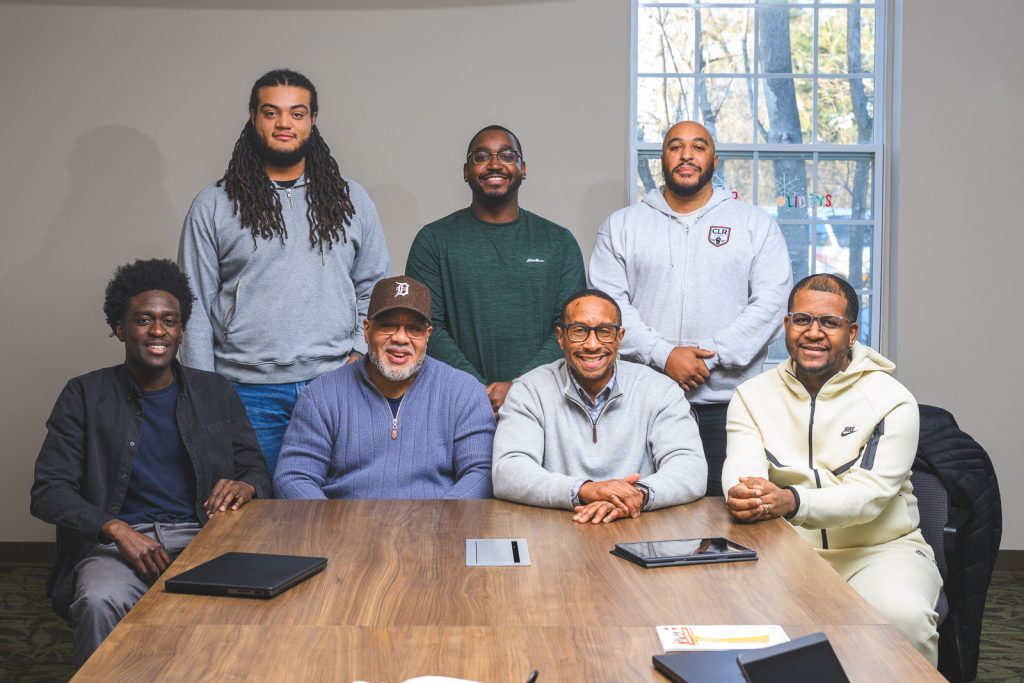
The foundation of HBU began with community engagement. Early sessions revealed that many community members preferred a less formal structure for discussions surrounding mental health. “We want to create a space where men can casually engage in meaningful conversations,” explains ambassador Chris Okine, highlighting a need for less intimidating environments.
By focusing on the voices of the community, the HBU program aims to dismantle stigma, enabling participants to feel comfortable discussing mental health.
Embedding Culturally Relevant Support
One critical aspect of the HBU program is its commitment to representation. Justin Harper states that students of color often don’t see individuals who look like them in educational settings. The same applies to mental health support; without relatable figures, young Black men and boys may find it challenging to open up about their struggles.
With ambassadors who share similar life experiences, HBU hopes to bridge this gap, fostering trust and openness. Harper believes that connecting around shared experiences can facilitate deeper conversations about mental health.
A Multidimensional Approach
The HBU program’s objectives extend beyond immediate support; it aims to advocate for equitable access to mental health resources and reduce the stigma that surrounds mental health discussions. Okine, a medical student, shares how his involvement with HBU has not only allowed him to contribute to the community but also served as a personal journey toward improving his mental health.
Through their community involvement, ambassadors create a reciprocal space for sharing and healing, enriching their understanding while supporting their peers.
Comprehensive Mental Health Resources
Official programming for HBU is on the horizon, featuring a range of initiatives designed to engage the community. Regular presentations at community events and mental health workshops will be introduced as integral parts of the program.
Additionally, a licensed Black male therapist will be accessible two days a week, a need identified as nearly universal in community feedback sessions. This highlights HBU’s commitment to offering culturally relevant, relatable resources that prioritize the voices and experiences of Black men.
Future Directions
As the HBU program continues to take shape, it will also establish a dedicated online presence and logo, enhancing outreach and accessibility. It’s still actively recruiting ambassadors, encouraging more community members to get involved.
Those interested can find an interest form and further details on how to participate, fostering a unified effort to address mental health within the community.


