


The African Diaspora of Elon University marked a significant milestone in the celebration of Black History Month with its inaugural African Night on February 28. This vibrant event brought together music, fashion, comedy, and pageantry, creating a cultural tapestry that celebrated the global African experience.
Abdul-Malik Harrison, advisor to the African Diaspora Education (ADE) and assistant director of the Center for Race, Ethnicity, & Diversity Education, highlighted the uniqueness of this event. He reflected on the array of cultural events that have been held at Elon but noted that African Night offered a fresh perspective. “Black History Month is technically an African American holiday, but they wanted to put more importance on recognizing black people all over the globe,” he explained, emphasizing the need to include voices from Africa, the Caribbean, and Latin America.
Planning for this momentous night began back in November of the previous semester. Students involved in ADE teamed up with Harrison to generate a performance that would shine a light on the African Diaspora. Fatmata Binta Bah, Vice President of ADE, discussed the extensive preparations that went into the event. From rehearsing dances and choreographing the fashion show to writing and perfecting a comedic skit, the team dedicated countless hours to ensure success. “In the beginning, sometimes things are shaky,” Bah admitted. “At the end, it all works out.”
The support for African Night extended beyond Elon students; individuals from various colleges across North Carolina flocked to attend, along with families from the Elon community. This collective presence amplified the energy and excitement in Alumni Gym on that night.
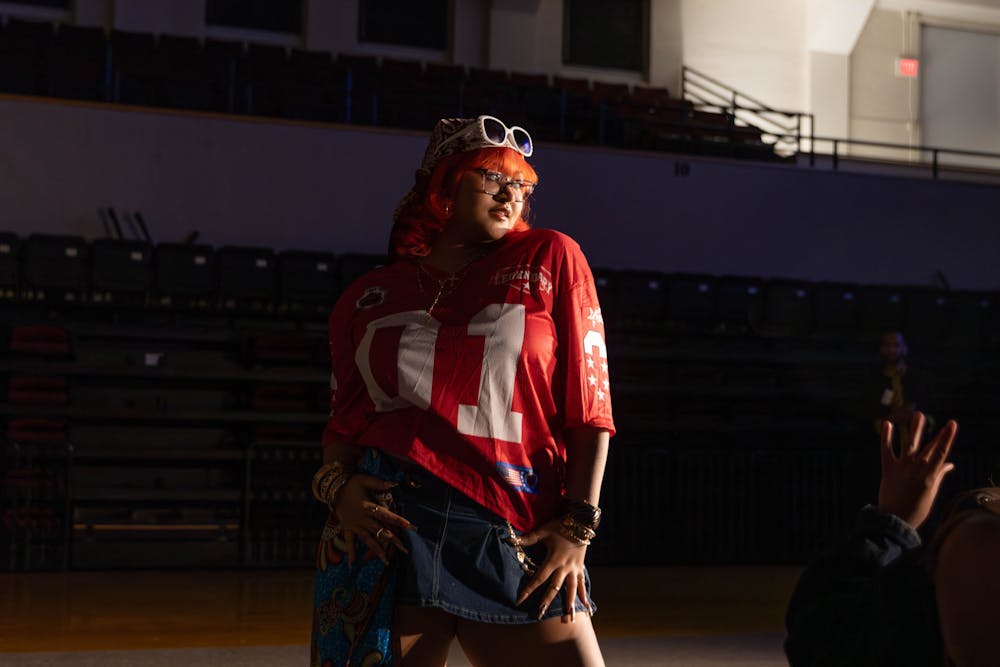
Amyah Farrington attended the event to support her sister, Aaliyah, who walked the runway as a model. “I love seeing people embrace their culture and what they wear,” Amyah said, reflecting the pride exhibited by the participants. The fashion show effectively illustrated the evolution of African culture within the diaspora, beginning with traditional clothing, transitioning into contemporary streetwear, and culminating in a live performance where a model was artistically painted. The atmosphere was electric as models strutted down the runway, engaging the audience with dynamic dances.
Brandon Farrington, Amyah’s brother and a high school student, mentioned that his favorite segment was the comedy skit performed during the evening. “It provided a humorous look at the types of interactions between African parents and their children,” he noted. The scene depicted a son caught smoking and featured a passionate mother and a pastor. This comedic portrayal resulted in bursts of laughter from the audience as “holy water” went flying and the mother expressed her anguish over her son’s choices in a melodramatic style.
Attendee and Elon senior Adrianna Stapleton described the experience as inspiring. “I feel more in my blackness because so many different cultures are represented and everyone is so proud of where they come from,” she said. Her sentiments echoed the unity and celebration of diverse heritages that characterized the evening.
Alongside the fashion show, a pageant allowed five students to represent their home countries, showcasing pride in their cultural identities and professional accomplishments. Despite competing against one another, the contestants supported and praised each other’s achievements. Kashawn Myers, one of the contestants, emphasized the uniqueness of being black in America, asserting that it makes one “rare” and, consequently, powerful. “When you’re rare, it means you can do things that people don’t expect,” he claimed.
MK Anyimah, crowned “king of the court,” shared his insight on black excellence, imparting wisdom he learned from his mother: “Your skin isn’t just black, it’s gold.” He elaborated on this metaphor, stating that gold doesn’t fade but rather shines consistently, symbolizing the brilliance and resilience within the black community.
The night’s festivities culminated in a lively dance where attendees joyfully raised flags representing their countries—Nigeria, Sierra Leone, Tanzania, and more—filling the stage with energy and vibrancy. This celebration not only highlighted the significance of African culture but also fostered a sense of community, belonging, and pride among the participants and spectators.


