


Charles H. Wright Museum of African American History: A Comprehensive Guide
Introduction: A Journey Through American History
Few museums speak to the American experience as powerfully as the Charles H. Wright Museum of African American History in Detroit. Nestled in Midtown’s Cultural Center, this institution weaves together immersive storytelling, community engagement, and striking architecture to explore the African American experience from its roots in Africa to present-day life in America. Whether you have only two hours to spare or an entire day, understanding what to see and how to navigate the museum can turn your visit into a memorable chapter of your Detroit itinerary.
Why the Charles H. Wright Museum Matters
The Charles H. Wright Museum, affectionately known as “The Wright,” stands as one of the largest museums in the world dedicated to African American history and culture. Founded in 1965 by Dr. Charles H. Wright, a Detroit physician, the museum has evolved from a small collection into a 125,000-square-foot cultural beacon in Midtown.
Upon entering, it’s clear that this is no ordinary museum filled with static artifacts. Instead, the space guides visitors through time—from Africa to the Middle Passage, slavery to freedom struggles, and into contemporary life. The exhibits are designed to immerse you, making your visit less of a passive experience and more akin to a guided journey through history.
The museum actively contributes to Detroit’s civic and cultural landscape, hosting various events, from Kwanzaa celebrations to community dialogues on race and justice. This dynamic programming adds layers to your visit, offering opportunities for deeper engagement with local artists or exhibitions that resonate with current issues.
Planning Your Visit: Hours, Tickets, and Practical Details
The Wright is located at 315 East Warren Avenue, conveniently situated within walking distance of other cultural institutions like the Detroit Institute of Arts and the Michigan Science Center. Therefore, it’s common for visitors to bundle multiple museums into a single day.
As of early 2026, general admission prices align with other major city museums, with adults in the low to mid-teens, slightly reduced rates for seniors and youth, and free entry for young children and museum members. It’s advisable to purchase tickets online in advance, particularly during busy periods like weekends or school field trips.
Opening hours typically run from late morning to late afternoon, with extended hours during special events. Aiming for arrival around 11 a.m. can provide ample time for exploration before lunch. If you’re visiting during busy periods like Black History Month, expect larger crowds and plan accordingly.
Parking options in Midtown range from paid surface lots to metered street spaces. Using tools like the ParkDetroit app can ease parking logistics. Alternatively, public transit options such as the QLine streetcar are readily available for those wishing to avoid driving altogether.
The Heart of the Museum: “And Still We Rise”
The signature exhibit at The Wright is “And Still We Rise,” which spans approximately 22,000 square feet and features over 20 galleries. This exhibition serves as a chronological journey through African and African American history, which many visitors find to be the focal point of their experience.
Your journey begins in Africa, emphasizing diverse civilizations rather than a monolithic portrayal. This section might introduce you to the rich histories of empires such as Mali or Benin, debunking prevailing stereotypes.
As you transition to the galleries on the transatlantic slave trade and the Middle Passage, the emotional weight intensifies. The immersive design captures the horror of enslaved Africans crammed into ships, and visitors often describe this area as one of the most emotionally challenging yet pivotal moments in the museum.
The subsequent galleries delve into topics like slavery’s development in America, resistance movements, the Civil War, and the Civil Rights Movement. Through recreated environments, photographs, and multimedia stations, you’ll not only hear about national milestones but also city-specific stories that connect African American life in Detroit to broader narratives.
Temporary Exhibitions and Contemporary Art Highlights
In addition to “And Still We Rise,” The Wright features a rotating array of temporary exhibitions that connect closely with contemporary artistic conversations. These shows vary in focus, from historical photography to modern art by Black artists.
One notable recent exhibition is “Luminosity: A Detroit Arts Gathering,” held in celebration of the museum’s 60th anniversary. This collection showcases works from a range of Detroit artists, spanning generations and mediums.
These temporary exhibits offer travelers a deeper look into the vibrant Black creative community, presenting an opportunity to see lesser-known artists alongside renowned names.
Moreover, these exhibitions are often accompanied by programming such as artist talks or workshops, allowing visitors to engage more deeply with the content and its creators.
Architecture, Public Spaces, and the Museum’s Surroundings
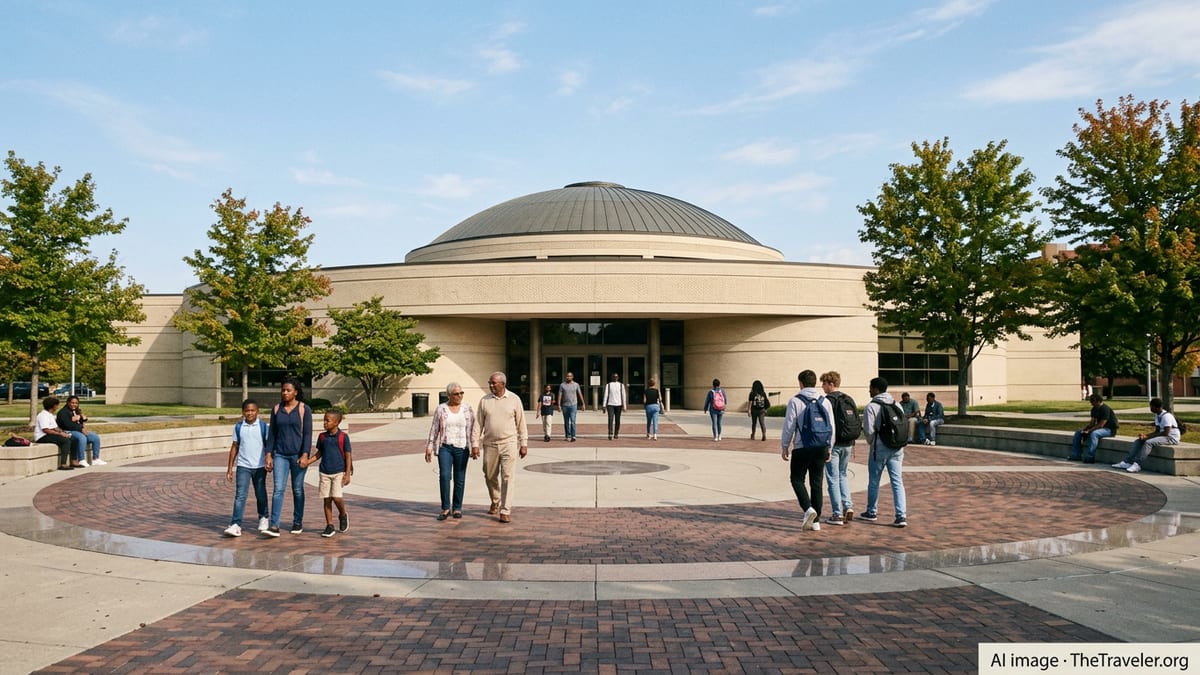
The museum building itself, designed by Sims-Varner & Associates in the 1990s, is noteworthy. Its circular dome is a distinctive landmark in Midtown. Visitors are often drawn to the spacious plaza that surrounds the museum, where outdoor events and festivals are held during pleasant weather.
Inside, the airy rotunda serves as a dynamic space for installations and sculptures. Subtle design elements reflect African and African American influences, enhancing the cultural mission of The Wright.
Considering its proximity to other institutions, many visitors opt to combine a trip to The Wright with a visit to the Detroit Institute of Arts or the Detroit Historical Museum. After wrapping up at The Wright, a casual lunch in Midtown can offer a perfect palate cleanser before more museum exploration.
Visiting With Kids, Students, and Multigenerational Groups
The Wright is family-friendly, offering engaging experiences for school-age visitors. The museum’s education team has crafted guided tours and activities for groups, making it easier for families to navigate the profound subject matter.
While younger children may find parts of the museum intense, attractions that focus on music, community life, and cultural achievements can serve as engaging entry points. Parents should prepare their kids for the more challenging sections, like those exploring slavery and racial violence, fostering an open dialogue about the content.
For teens, structured visits can deepen engagement. Educators often incorporate assignments tied to The Wright’s offerings, which can heighten their appreciation for the subject matter. Discussing favorite exhibits over lunch can also provide a valuable family bonding experience.
Events, Programs, and Community Life at The Wright
One hallmark of The Wright is its role as a community hub. The museum hosts a variety of events throughout the year, ranging from concerts to film screenings and panel discussions, fostering connections between locals and visitors.
Signature annual events, such as Kwanzaa celebrations and Juneteenth programs, often feature performances, discussions, and market stalls. Attending these events can enrich your experience, offering a real-time glimpse into contemporary Black culture in Detroit.
Collaborations with local organizations also lead to unique programming opportunities, making it easy for visitors to engage with voices and perspectives that extend beyond traditional exhibitions.
How to Make the Most of a Half Day or Full Day
Your visit will differ based on your time availability. If you only have two or three hours, prioritize “And Still We Rise,” moving through the galleries while allowing yourself to pause where you feel compelled.
Planning a longer visit allows for a more thorough engagement with both the permanent and temporary exhibitions. Consider incorporating breaks to rest and reflect on what you’ve seen.
If time permits, dining at a local cafe can be a lovely complement to your museum experience. Exploring nearby attractions afterward can turn your museum visit into a full day of cultural enrichment.
For efficient documentation, don’t forget to check museum photography policies, and keeping a travel journal can aid in retaining the insights you gather throughout your visit.
This guide aims to equip you with everything you need for an enriching experience at the Charles H. Wright Museum of African American History. Whether you’re delving into the past or engaging with contemporary interpretations, the stories you encounter will remain with you long after you leave. Expect to be moved, challenged, and inspired as you traverse the rich tapestry of African American history in this remarkable space.


