The Global Landscape of Women’s Rights: A Tale of Two Worlds
The global landscape of women’s rights presents a striking contrast between nations that champion feminism and those that restrict basic educational access for women. Recent studies from leading organizations reveal both remarkable progress in feminist leadership and devastating educational bans affecting millions.
Sweden: The Global Feminist Trailblazer
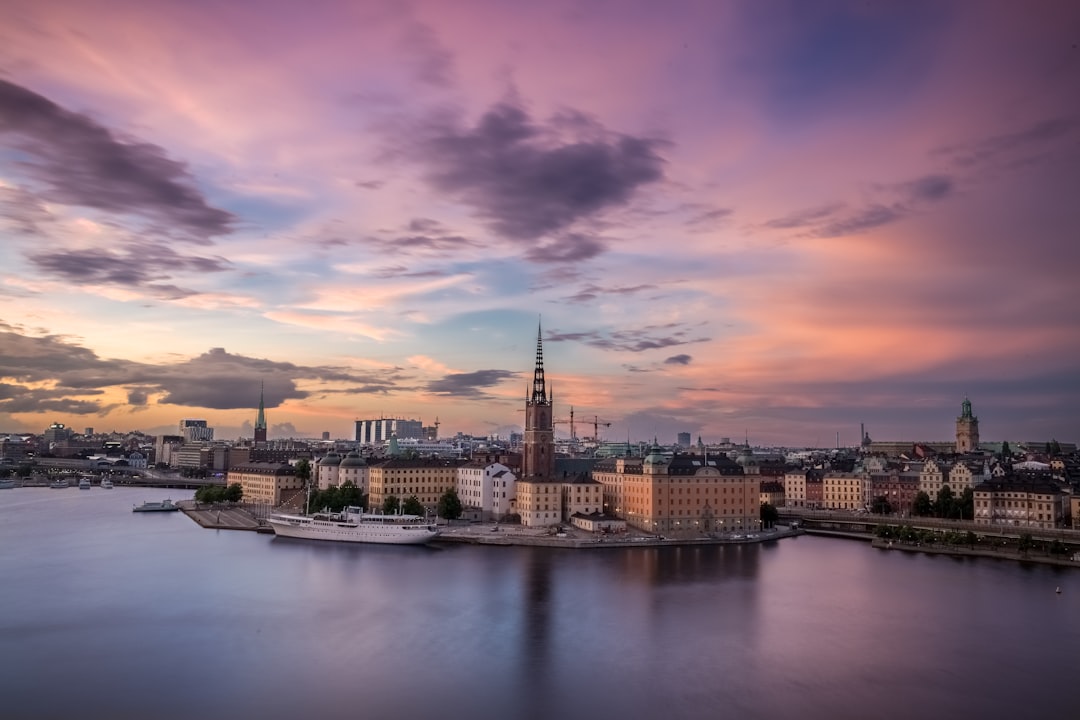
Sweden leads the world in feminist policies, with a high percentage of women identifying as feminists, establishing itself as the gold standard for gender parity. The nation adopted an official feminist foreign policy in 2014, setting a global precedent that reinforces its leadership in gender equality. According to a 2023 World Bank analysis, Sweden joins thirteen other countries where women have achieved equal legal standing with men regarding pay, parenthood, and assets.
Denmark: Best Country For Women Globally
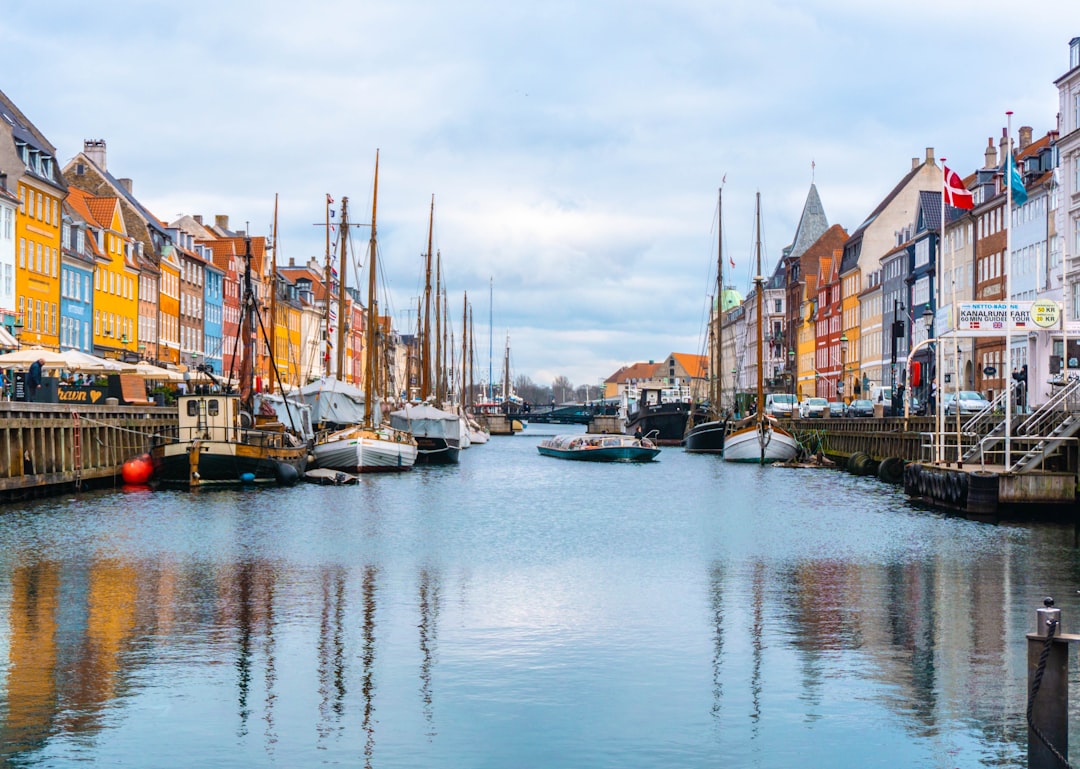
Denmark consistently ranks among the best countries for women, as highlighted by the Women, Peace and Security Index. It has maintained its top spot since 2023, with an impressive ninety-six percent of Danish respondents supporting equal rights. The biennial index evaluates 181 countries based on thirteen indicators, measuring factors from legislative representation to maternal mortality rates.
Norway and Finland: Nordic Champions of Gender Equality
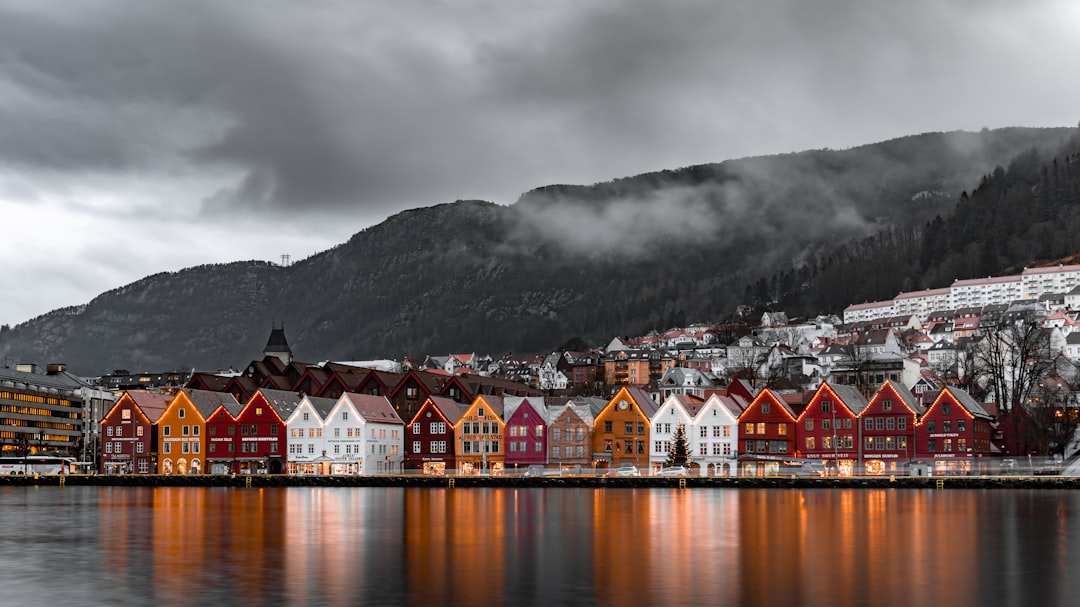
Norway achieves a remarkable ninety-seven percent support for women’s equal rights, showcasing its commitment to feminist ideals. Finland made history in 1906 as the first country to allow women to run for office. Fast forward to 2019, and women held over forty-five percent of seats in the Finnish Parliament. Currently, Finnish support for women’s rights stands at an astounding ninety-eight percent, the highest among surveyed nations.
Netherlands and France: European Feminist Leaders

The Netherlands made significant strides in 2023 by providing women equal legal standing with men, further solidifying its role in feminist legislation. France ranks closely behind Sweden, with thirty percent of women self-identifying as feminists. French women enjoy a comprehensive social safety net akin to Sweden’s, highlighting societal investments in gender parity.
New Zealand: Pioneer in Women’s Political Rights

New Zealand distinguished itself as the first self-governing nation to grant women the right to vote. Its commitment to gender parity in politics continues today, requiring businesses with more than 250 employees to report gender pay gaps. This proactive approach exemplifies how feminist policies can lead to tangible changes, fostering a culture of equity.
Afghanistan: A Global Education Crisis

Conversely, Afghanistan stands out tragically as the only country where girls and women are strictly forbidden from secondary and higher education. Nearly 2.2 million girls cannot attend school beyond primary levels. Since December 2022, women have been barred from universities, stripping over 100,000 young women of higher education access. The Taliban has recently closed loopholes, even forbidding women from pursuing medical education. According to UN Women’s 2024 report, seventy-eight percent of young Afghan women are inactive in education, employment, or training—nearly four times the rate for Afghan men.
Yemen: Systematic Restrictions on Women’s Movement and Education
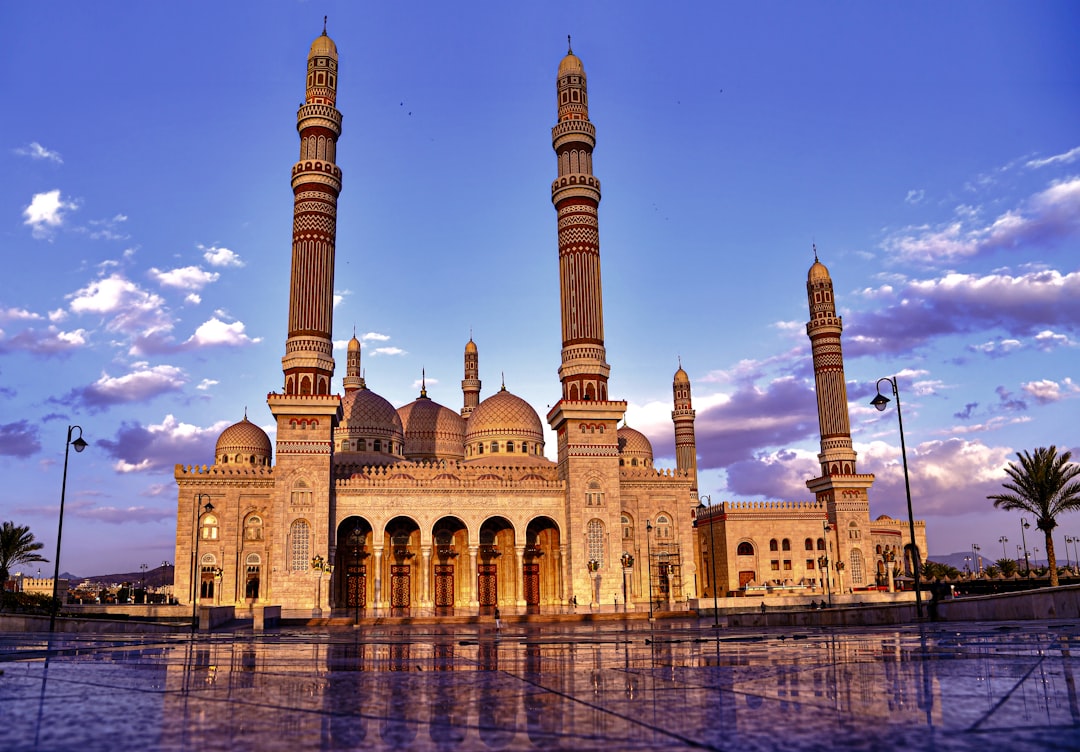
In Yemen, ongoing conflicts have increasingly restricted women’s movement, effectively cutting them off from humanitarian aid and severely limiting educational opportunities. Women face extreme limitations regarding higher education, compounded by requiring male relatives to accompany them. The Houthi movement, in power, has adopted regressive policies mirroring developments in Afghanistan, adversely affecting educational access for women. Violence, poverty, and inadequate social services have left approximately 1.5 million girls out of school.
The stark contrast between nations embracing feminist principles and those denying basic educational rights reveals an urgent need for global action. While countries like Sweden and Denmark exemplify how feminist policies benefit society, Afghanistan and Yemen showcase the dire consequences of erasing women’s fundamental rights. As we reflect on these realities, the question looms: what future do we envision for the next generation of women worldwide?