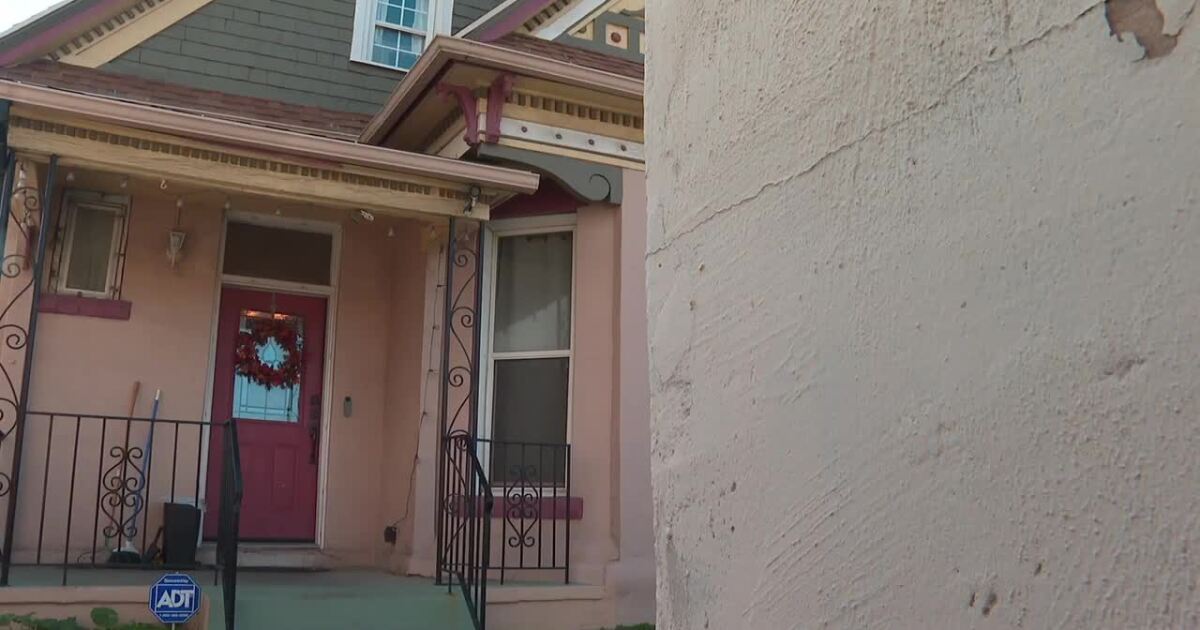
Salt Lake City’s Historic Treasure: The Paul Cephus Howell House
A Landmark Preservation
Salt Lake City recently made headlines as the Paul Cephus Howell House became the first property in Utah to be safeguarded with a preservation easement, marking a significant milestone in recognizing the contributions of African Americans to the state’s history. This step not only honors Howell’s legacy but also enhances the cultural landscape of Central City, a neighborhood teeming with stories from the past.
The Owner’s Journey
Tiffany Taylor, the current owner of this historic home, has an affinity for collecting stories and artifacts of history, much like her mother. Her journey to discovering the importance of her house began serendipitously. Taylor reminisces about her first encounter: “A friend of mine, he was a realtor, said, ‘You’ve got to see this house.’ I came in to look at it, and I fell in love with it.” Delving deeper into its past, she connected with Rachel Quist, a local historian known for her insightful blogs about Salt Lake City’s architectural heritage. Through Quist’s research, Taylor unearthed the significant history of Paul Cephus Howell and the mark he left on the community.
Paul Cephus Howell: A Pioneering Figure
Paul Cephus Howell was not just a resident; he was a trailblazer. Living in the house for around 15 years, he served as the first African American detective in the Salt Lake City Police Department. Robert Burch, founder of the Sema Hadithi African American Heritage & Culture Foundation, highlights Howell’s critical role in the community. “He was one of the center figures of the community,” Burch conveys, emphasizing how many are unaware of his contributions. Howell’s story serves as a reminder of the rich tapestry of African American history in Utah, which deserves to be told and celebrated.
Protecting the Past
Burch is committed to ensuring that stories like Howell’s do not fade into obscurity. He explains, “What happens a lot of the time is that the past is forgotten.” The buildings we inhabit often serve as a tangible connection to the past, preserving the stories of the communities that once thrived around them. The preservation easement placed on the Howell House guarantees its integrity, ensuring that it will stand for generations to come, maintaining the memory of what Central City once represented.
A Lasting Legacy
Taylor’s commitment to the house transcends her ownership. “I just signed a couple of days ago for the easement, so this house will never be torn down,” she shares with pride. This agreement, made between property owners and preservation organizations, is a powerful tool for ensuring that significant historical sites remain intact. Taylor’s determination highlights the importance of recognizing and preserving African American history, which she believes is often overlooked. “Utah has a lot of black history that should be brought out,” she passionately remarks.
More Than Just a House
The Paul Cephus Howell House is not just a charming structure in the neighborhood; it is a living piece of history that mirrors the experiences of African Americans in Utah. Every corner of this home resonates with the legacy of its past inhabitants, serving as a critical reminder of the diverse narratives that contribute to the fabric of Salt Lake City. Through its preservation, the house stands as a testament to the community’s rich history, inviting future generations to learn, engage, and appreciate the multifaceted stories that define the city’s heritage.