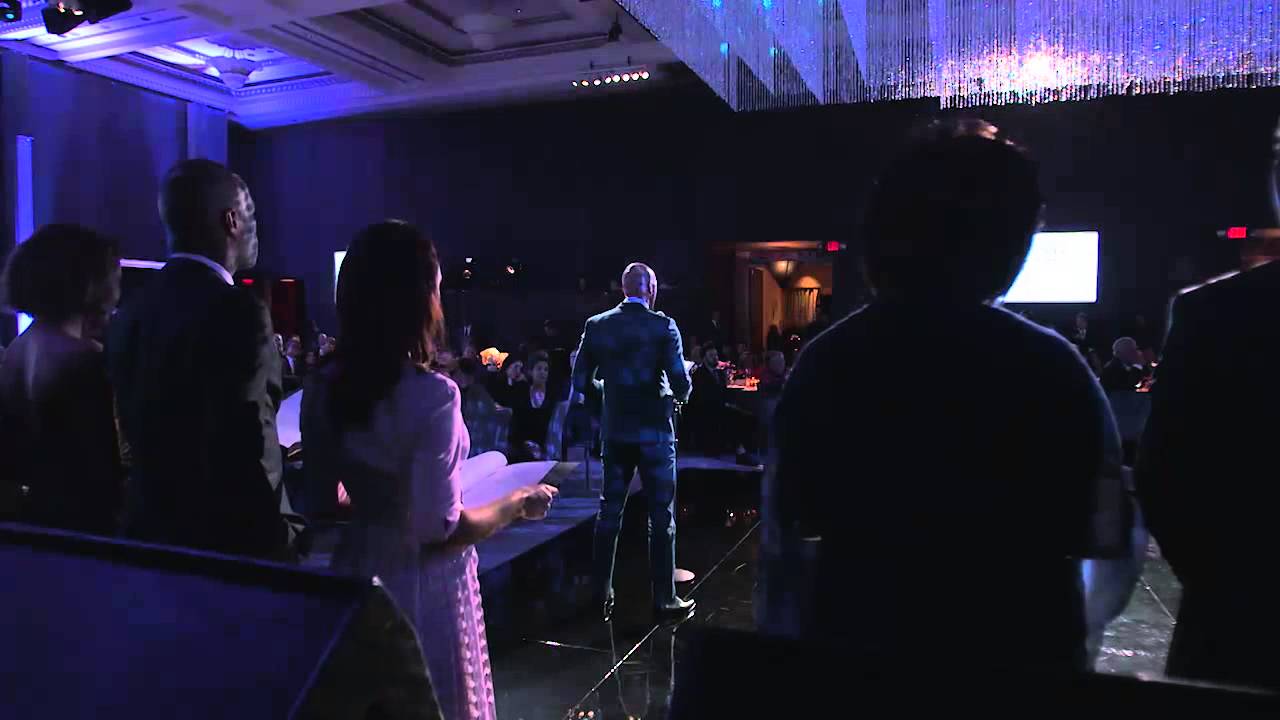
African Music’s Global Momentum Takes Center Stage at YouTube Music’s Pamoja During Grammy Week
As Grammy Week unfolds in Los Angeles, African music is no longer just a rising trend; it has become a defining force shaping global pop culture. This shift is set to be showcased at Pamoja, YouTube Music’s annual celebration of African music and culture, where the industry’s growing influence is highlighted.
A Celebration of Influence and Legacy
Pamoja isn’t merely an awards show; it’s a vibrant celebration that honors nominees in the Best African Music Performance category. A special tribute will be paid to Nigerian music pioneer Fela Kuti with a Lifetime Achievement Award, serving as a reminder of the roots from which contemporary African music has evolved. Organizers emphasize that the event is about highlighting cross-border collaborations that have fueled African music’s ascent, recognizing both the continent’s talented artists and the diaspora communities and international collaborators crucial to this movement.
A Global Audience Beyond Africa
The changing landscape of the music industry is hard to ignore. African artists are making waves on the global stage, far beyond regional markets or niche audiences. Digital platforms have played a pivotal role in this transformation, allowing artists to connect directly with fans without needing traditional gatekeepers.
YouTube data reveals that over 70% of watch time for its Top 100 African artists comes from outside Africa, unequivocally showcasing the extensive reach of this music. Tuma Basa, YouTube’s director of music culture, notes, “Fans didn’t wait for radio or a traditional gatekeeper to tell them who to listen to. They found the music themselves.”
The impact is tangible, as evidenced by sold-out arenas across Europe and North America. A significant moment was marked in 2024 when Nigerian star Rema performed in India, underscoring how far the audience has expanded beyond the African continent.
Streaming Figures Confirm the Trend
Streaming platforms mirror this growth, demonstrating a sharp upward trajectory for African music. In 2025, Burna Boy was Spotify’s most streamed African artist, but by January 2026, Wizkid became the first African artist to surpass 10 billion streams. Additionally, CKay’s hit “Love Nwantiti” has garnered over 1 billion streams on Spotify, reinforcing its status among the most consumed African tracks in history.
Even Apple Music confirms this trend, with African music streams growing four times faster than the platform’s overall growth. These milestones reveal a new reality: African music is no longer a regional curiosity; it is a global mainstream force.
The Diaspora as a Cultural Bridge
Industry leaders stress the significance of the African diaspora in driving global expansion. Diaspora communities play a crucial role in translating local sounds for international audiences while retaining cultural authenticity. Tuma Basa aptly describes this dynamic: “If African music is the fuel, the diaspora is the transmission. It helps carry that energy to different parts of the world.”
Moreover, this exchange is increasingly reciprocal. International artists are engaging directly with African audiences, leading to collaborations that blend global and local influences.
Authenticity at the Heart of Pamoja
Pamoja has made a name for itself with an informal, unscripted atmosphere—an intentional choice to reflect the genuine spirit of African culture. Addy Awofisayo, head of music for sub-Saharan Africa at YouTube, states, “For us, authenticity isn’t a curated aesthetic—it’s the foundation. When people feel seen and represented, that’s when culture actually moves forward.”
The event draws hundreds of artists, executives, and cultural leaders, known for spontaneous moments that often define the night. Organizers aim to foster long-term impact, moving beyond superficial networking to create meaningful collaborations and partnerships.
The Grammys Reflect a New Reality
This year’s Grammy Awards visibly represent African music’s ascending status, from the introduction of the Best African Music Performance category to the posthumous honor for Fela Kuti. South African-born host Trevor Noah continues to amplify African representation on one of music’s most powerful platforms.
Yet for YouTube and industry leaders, this is not a sudden breakthrough but the culmination of a long-standing musical legacy finally receiving international recognition. Tuma Basa mentions, “This is overdue recognition, not a trend. It’s not a beginning—it’s a continuation.”
What Comes Next? Diversity, Not a Single Sound
Looking ahead, the future of African music will be characterized by diversity rather than a singular, dominant style. Addy Awofisayo points to the rise of Amapiano, African hip-hop, R&B, and pop beyond Afrobeats as evidence of a broader cultural expansion.
“Young artists in Johannesburg can build audiences in New York or Tokyo,” she notes. “African culture is about more than music—it’s visual, it’s movement, it’s identity.”
For Pamoja, the objective is clear: to project African music’s position in the global mainstream—not as a novelty but as a permanent and influential force. Tuma Basa succinctly puts it, “We’re seeing African music move from influence to infrastructure. That shift is already underway.”