Does Your Dog Prefer Hanging Out with Men or Women?
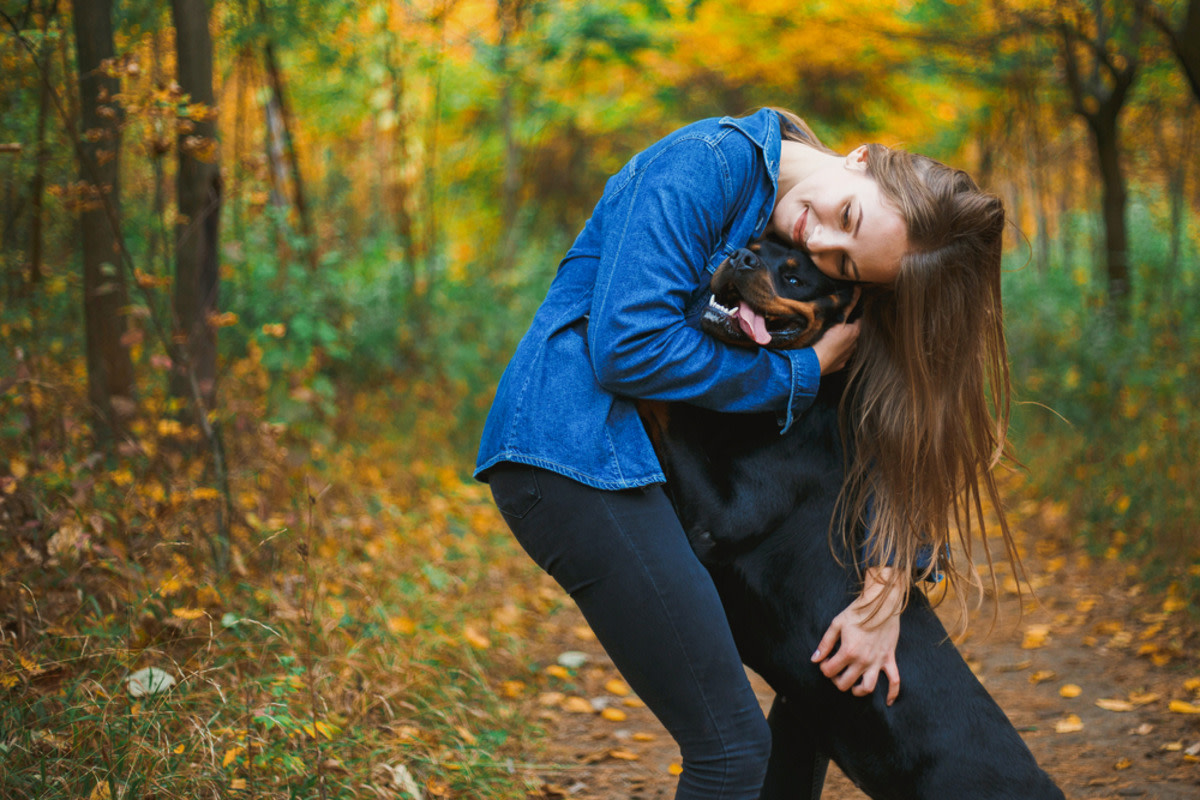
Does your dog choose to snuggle up with women more than men? It seems this question has taken the internet by storm, especially with the recent viral video of a charming Rottweiler named Dyce. This delightful pooch has captured hearts with his distinctive preference for female company, and it’s creating quite a buzz online.
Dyce’s Unique Reaction
In a video shared by Dyce’s owner, viewers can see a clear difference in how he interacts with men compared to women. With guys, Dyce appears aloof and somewhat unimpressed, maintaining a distance that suggests a lack of interest. In stark contrast, when women approach, he instantly perks up, ready for playtime and cuddles. Dyce’s expressions and body language leave little room for doubt about his feelings; when he’s around men, his face seems to communicate judgment, as if he’s evaluating their worthiness for his affection.
Community Reactions
Dyce’s behavior has sparked lively discussions across social media platforms. One comment from user @Meg garnered over 27,000 likes, humorously remarking, “Not once have I heard someone say, ‘They’re not good around women.’” This lighthearted observation underscores a broader pattern that many dog owners have noticed: dogs seeming to favor women. Another user, @Sarah, playfully questioned her own appeal, asking, “Am I… a Rottweiler?” These shared experiences foster a sense of community among dog lovers.
Expert Insights: Do Dogs Prefer Women?
Amid the banter, it’s intriguing to consider what animal behavior specialists say about this phenomenon. Jessica Fisher, a professional dog trainer and health coach, offers some insight into why certain dogs might seem to gravitate towards women. According to her, it’s not simply a matter of gender preference but is more closely linked to specific behavioral traits associated with adult women.
Fisher explains that women tend to be smaller in stature and generally less intimidating to dogs. This smaller size can create a more approachable atmosphere for our canine companions. In contrast, many men are taller and broader, which can be perceived as more threatening, especially by smaller dogs like Rottweilers.
The Role of Communication Styles
Another critical factor is the way communication varies between genders. Researchers have found that women often have softer, more nurturing voices, which can create a calming effect on dogs. Men, on the other hand, typically have deeper, louder voices that might not communicate the same level of warmth or safety to a dog. This softer approach may explain why dogs, like Dyce, feel more comfortable and engaged with women.
Individual Experiences Matter
Finally, it’s crucial to highlight that every dog is unique. While Dyce may have a clear preference, other dogs might have different experiences that shape their reactions to men and women. Past encounters, socialization, and individual personalities play significant roles in how dogs interact with various people. Many factors, including positive experiences or negative memories tied to a particular gender, can influence a dog’s behavior.
This rich tapestry of experiences underscores the individuality of our furry friends and reminds us that each dog’s journey is distinctive. The laughter and joy that Dyce brings to the table illustrate just a snippet of the incredible bonds we share with our pets.
From amusing anecdotes to scientific insights, the discourse around Dyce and his preferences offers valuable perspectives on canine behavior and the social dynamics between dogs and their human companions. So, next time you see your pet gravitating toward one person over another, it might be worth considering just why that is!