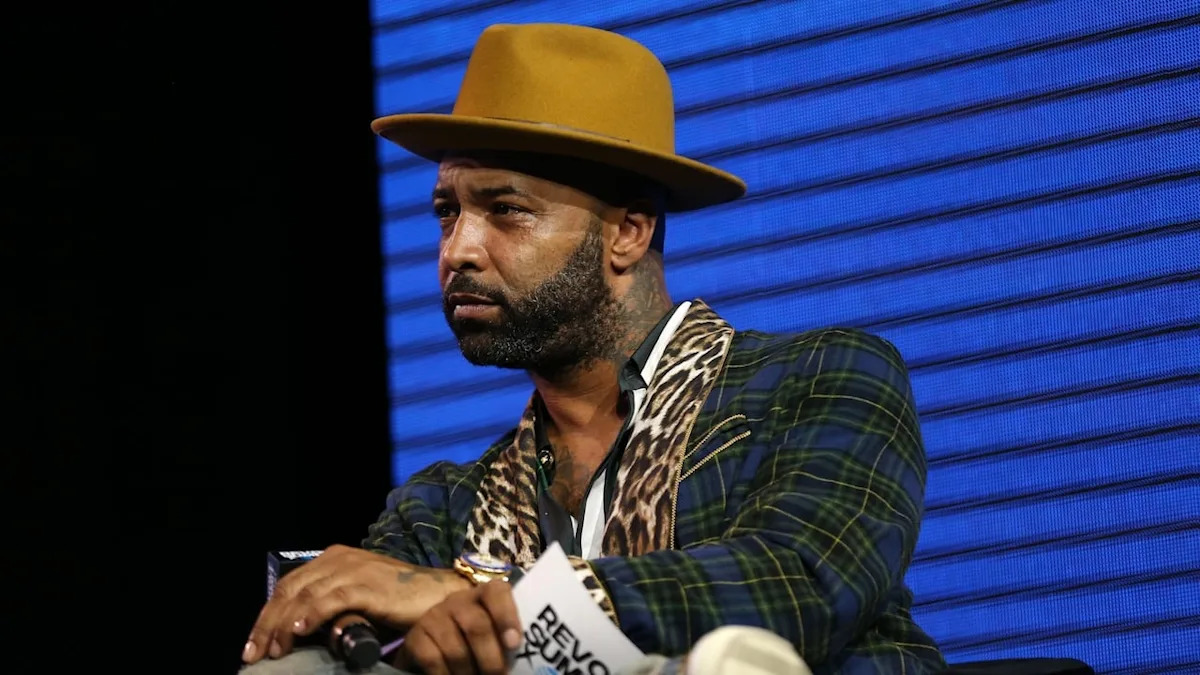
Joe Budden Calls Out Hip-Hop’s Silence on Social Issues
In a recent episode of the “Joe Budden Podcast,” host Joe Budden passionately criticized the hip-hop community for its silence on pressing social justice issues. He juxtaposed the genre’s rich history as a countercultural force with its current state, a move that has sparked both reflection and outrage among fans and peers.
Budden’s comments come in the wake of tragic incidents involving the deaths of Alex Pretti and Renee Good in Minneapolis, alongside ongoing actions by Immigration and Customs Enforcement (ICE). These events have ignited widespread protests across the country, reflecting growing dissent among the public. However, Budden pointed out a concerning trend: the apparent apathy of many in the hip-hop community toward these crises.
“It’s sickening to think of the hip-hop I came from,” Budden remarked during the podcast, emphasizing the stark contrast between the culturally influential figures of his youth and the current climate of silence. He expressed frustration over how the community has largely refrained from speaking out against injustices perpetrated against Americans on their own soil, questioning what might be at stake for those who choose silence.
An Uncharacteristic Silence
Budden probed deeper into this silence during his discussion, suggesting that the root cause may lie in the visibility—or lack thereof—of Black individuals in relation to the actions of ICE. He asserted that the absence of vocal support from his peers in hip-hop could imply complicity in systemic issues. “If all of them are silent? I’m going to assume some of them are and have been complicit with what’s going on,” he said, painting a distressing picture of a hip-hop culture that he feels has lost its way.
According to Budden, the artists who influenced him were not merely entertainers; they were community leaders who stood up for social issues. He lamented the current state of the industry, where voices often focus on commercial rights rather than fundamental human rights.
Frustration Among Artists
The podcast episode became more than just a personal expression of discontent; it was a call to action. Budden’s frustration resonated with some members of the hip-hop community. Artists like Vic Mensa and Pusha T, known for their outspoken nature, have been prominently critical of ICE. Mensa’s fury has made headlines, positioning him as a primary vocal advocate against these injustices.
At the Billboard Power 100 event, Pusha T made his perspective clear, stating, “f—k ICE,” while also emphasizing the need for artists to take a stand. Tyler, the Creator echoed similar thoughts on Instagram, sharing a memorable scene from “Paid In Full,” reinforcing a shared sense of urgency for the hip-hop community.
The Ongoing Challenge
While Budden’s comments are undoubtedly provocative, they also highlight a broader conversation within the genre: the responsibilities artists hold while navigating their platforms. As more rappers like Mensa and Pusha T begin to speak out against the actions of the Trump Administration and the Department of Homeland Security, the question remains—will these voices inspire a collective movement among their peers?
In a genre that has historically been a beacon for social change, Budden’s words serve as a clarion call for artists to step up, reminding them that their platform holds power that can influence societal shifts. The silence, he argues, is a disservice not only to their legacies but to the communities they represent.
As the discussion unfolds, the hip-hop community finds itself at a crucial crossroads—balancing individual artistry with a commitment to collective advocacy in the face of mounting societal injustices.