


The Transformative Power of Art in the Black Queer Community
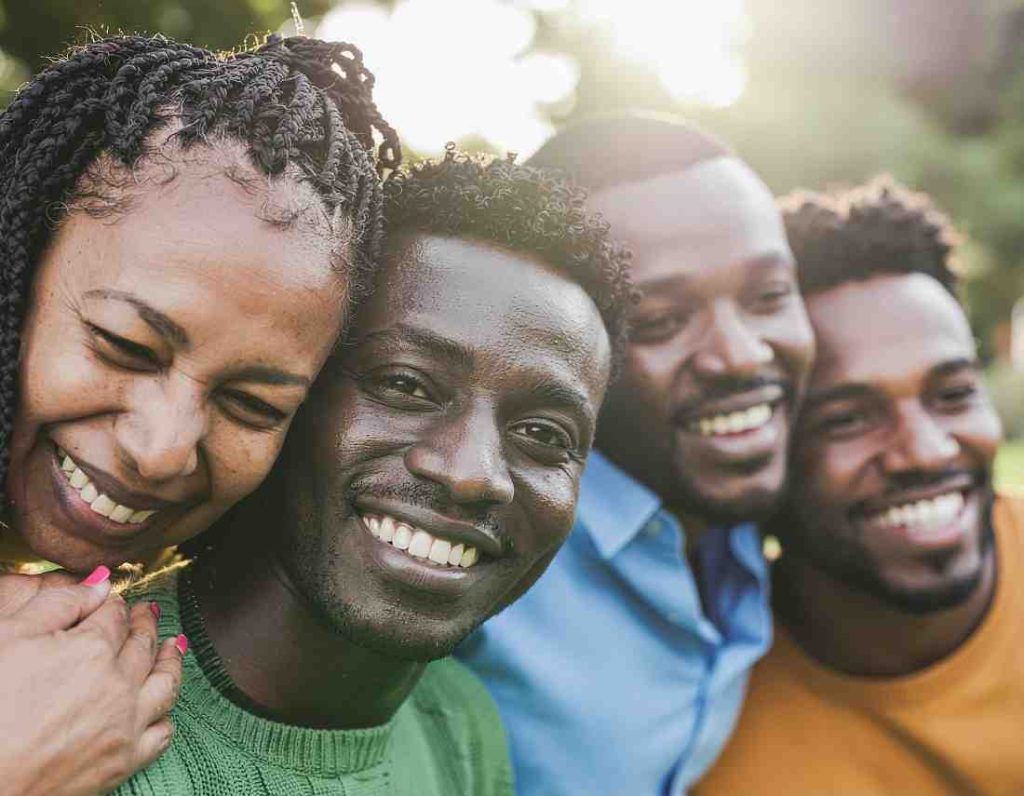
Art could become the message and the mechanism for change.
For every member of the Black and African queer community—whether you’re in Lagos, Nairobi, Accra, Johannesburg, London, New York, Texas, or anywhere else—creativity is not just a pass-time. It is a lifeline. Art becomes a form of survival, a means of remembering, belonging, and ultimately transforming the narratives around our identities.
Art protects us from erasure. Through artistic expressions, we celebrate our triumphs, mourn our losses, and build connections with our ancestry. It serves as a canvas for healing and helps us dream of bigger, more inclusive futures.
This article delves into five powerful ways in which Black and African queer artists utilize art for resistance, healing, visibility, and community care. You will find practical tools, real-life examples, and resources that can be adapted to your own creative endeavors.
Understanding QTBIPOC
QTBIPOC stands for Queer, Trans, Black, Indigenous People of Colour. This term encapsulates the experiences of LGBTQ+ individuals grappling with intersecting forms of discrimination, including racism and colonialism. By recognizing these compounded oppressions, we can better understand the barriers faced in achieving safety, health, housing, and representation.
5 Ways to Repurpose Art for Happiness, Healing, and Connection
- Use Culture as a Tool for Resistance
- Document Queer Lives to Fight Erasure
- Build Safe Spaces for Art and Joy
- Strengthen Solidarity Across Borders
- Turn Creativity into Social Change
1. Reclaiming Culture as Resistance
Black and African queer creativity often draws on ancestral storytelling and community archives. These practices go beyond preserving tradition; they disrupt reductive, colonial narratives that ignore or belittle queer lives within African cultures. Oral histories revive memories often forgotten, while spiritual traditions validate chosen families and new kinship structures. For instance, Zanele Muholi’s photographic projects like Faces and Phases cannot only document but reclaim the narratives of Black queer and trans lives in South Africa.
Try this yourself: Why not start a small oral-history project? Create visual art from exciting queer histories and share them on social media, or curate a community photography series featuring portraits of friends.
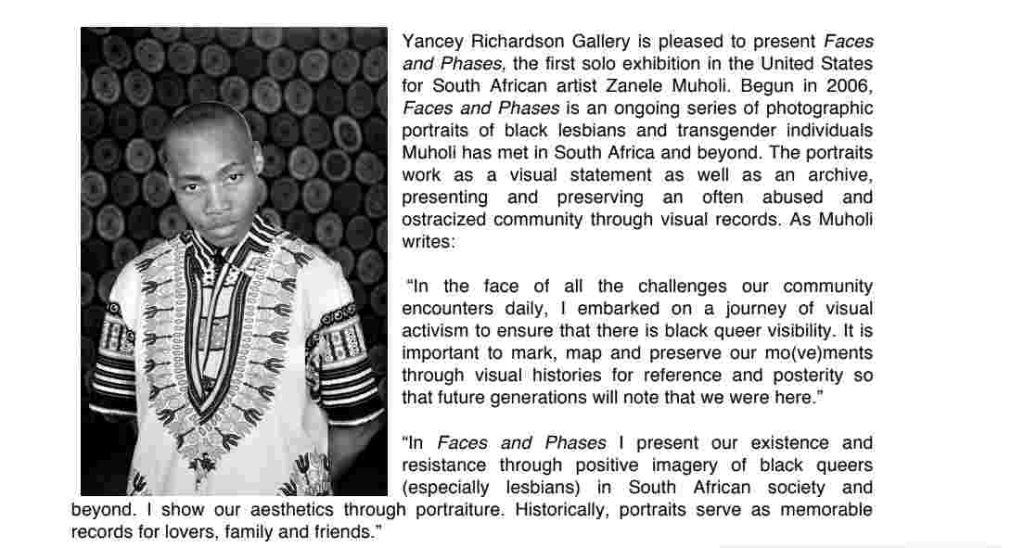
South African visual activist Zanele Muholi uses photography and installation art to document and celebrate the lives of Black queer people.
2. Documenting Life for the Future
At a time when laws and media often erase queer lives, capturing everyday moments becomes a political act. Portraits, micro-documentaries, and social-media narratives showing meals, rituals, friendships, and chosen family engage with and challenge mainstream narratives about Black queerness.
Practical Moves: Consider creating photo essays or intergenerational recordings that allow younger creators to learn from the stories of their predecessors.
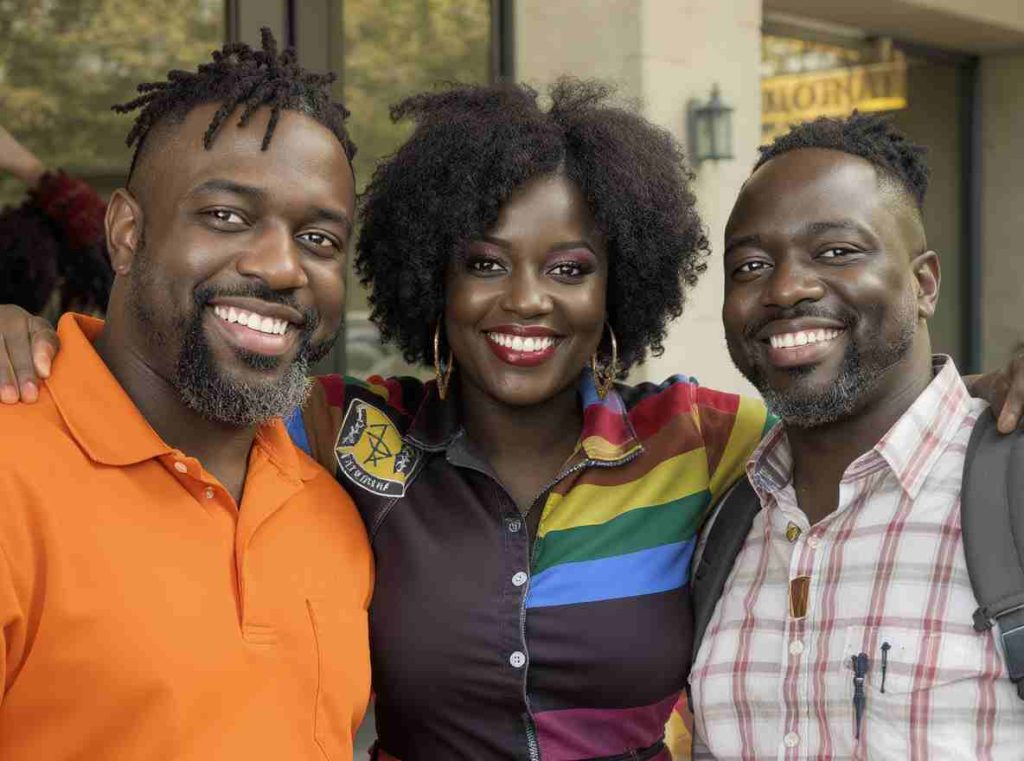
Small acts of documentation can widen public understanding and create more honest representations of Black and African queer life.
Creativity flourishes in safe environments. From African house parties to poetry nights, trauma-informed creative spaces foster connection and healing.
3. Building Safe Spaces for Art and Joy
Historical spaces, like The ClubHouse in Washington, D.C.—a haven for Black queer Americans—serve as blueprints for creating contemporary spaces that merge art, activism, and community wellness. Planning events that prioritize consent, accessibility, and trauma-informed facilitation can transform gatherings into healing infrastructures.
Accessibility Checklist:
- Always ask for clear consent regarding how and where artistic work will be shared.
- Provide options for anonymity to protect participants.
- Incorporate trauma-aware facilitation to ensure everyone feels safe.
4. Strengthening Solidarity Across Borders
The digital age has created opportunities for connection among creators, transcending geographical borders. By sharing strategies and amplifying one another’s work, artists strengthen the network of Black queer communities globally.
Practical Moves: Partner with educational institutions for public events that elevate your community’s narratives. Create online clubs to spotlight achievements or use microgrants to sustain collaborations.
5. Turning Art into Social Change
Art within the Black and African queer community often fuels advocacy movements—aiming to reshape public perception and challenge stigma. From Black Pride events that combine celebration with political education to community-led campaigns, creativity is a powerful tool for combating erasure.
Creative Activism refers to using artistic mediums to inspire social or political change. Effective campaigns may focus on awareness, policy shifts, or fund-raising initiatives.
Practical Steps:
- Define clear objectives for your artistic endeavors.
- Choose formats that suit your intended audience, whether they be zines, performances, or social media outreach.
- Pair artistic work with direct action items like petitions or community forums.
Copy-Ready Assets You Can Adapt
- Donor Headline: Help us archive joy—preserve Black and African queer lives for tomorrow.
- Social Caption: Queer joy is resistance. Share a photo or story and tag #QueerRoots.
- Event Blurb: An evening of storytelling, music, and archives—honoring elders, uplifting youth, creating space.
What creative act will you embark on today? Whether it’s recording a story, sharing a cherished photo, or drafting a zine, every small contribution counts in the greater tapestry of Black queer art and resistance.
References
- D.C. Black Pride
- GLAAD on Black queer women
- Hampshire College – Africana Studies
- Historic American Buildings Survey on The ClubHouse
- SCAD Museum of Art – Zanele Muholi Exhibition
- Smith College – Africana Studies
- The Trevor Project – Against Erasure
- Ugonnaora Owoh on Queer African Artists
In this journey, art transcends mere expression; it becomes a crucial element in our fight for visibility, belonging, and societal change.


